Watch: Ukraine’s drone offensive cripples Russian ‘shadow fleet’ in Sea of Azov
Watch: Ukraine targets Russia's 'shadow fleet'; hits 8 fuel tankers on Crimea route
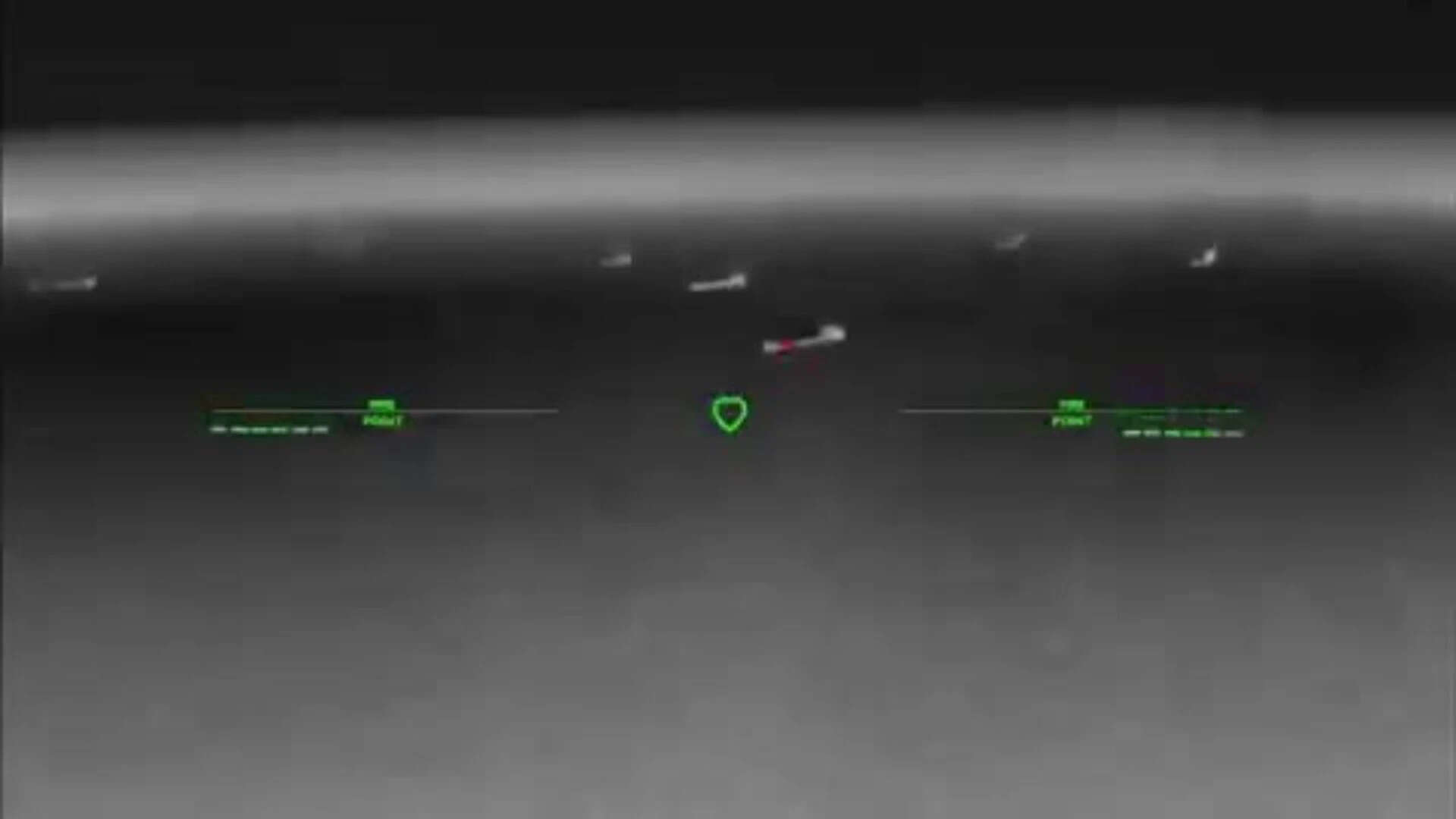
Kyiv’s latest strike on eight tankers targeting the Crimea fuel route signals a strategic pivot toward strangling Moscow’s maritime supply lines.
Black-and-white footage released by Ukraine’s Unmanned Systems Forces shows a series of precise, fiery impacts in the Sea of Azov. In a coordinated overnight operation, Kyiv’s military drones took aim at eight tankers linked to Russia’s so-called "shadow fleet," effectively setting the crucial Azov–Crimea fuel route ablaze. Each of the targeted vessels, already under international sanctions, reportedly carried a deadweight of approximately 7,000 tonnes, serving as a vital conduit for gasoline and petroleum products moving between Russian ports, the Kerch Strait, and occupied Crimea.
The strike marks an escalation in a multi-pronged campaign to disrupt logistics that sustain Moscow’s frontline operations. According to official statements from Ukraine’s drone forces, these vessels collectively held the capacity to transport upwards of 50,000 tonnes of fuel when fully loaded. By targeting these ships, Kyiv is not just hitting infrastructure; it is attempting to systematically choke the supply of fuel and ammunition that keeps Russian troops entrenched in the temporarily occupied peninsula.
The shadow fleet under fire
This maritime assault follows a broader pattern of Ukrainian drone activity that has kept Russian defense planners on high alert. Just a day prior to the Sea of Azov strikes, military reports indicated that two other vessels from the shadow fleet were hit in the same theater. The intensity of these operations suggests a shift in focus toward the logistical arteries that Western observers and analysts have long identified as a weak point in the Kremlin’s war effort.
The shadow fleet, a network of tankers operating outside conventional regulatory oversight to circumvent global sanctions, has become a frequent target for drone strikes. From the Mediterranean to the Baltic, the pressure is mounting. Recent international reports indicate that even European nations are raising concerns about the safety and legality of these vessels, with warnings surfacing regarding potential environmental disasters and the role these ships play in funding Russia’s war machine.
Why it matters: The bigger picture
The significance of these strikes extends beyond a simple tactical victory. By crippling the maritime logistics chain, Kyiv is forcing Russia to rethink how it moves essential supplies across a vulnerable geography. If these tankers can no longer move freely between the Kerch Strait and occupied territories, Moscow faces a costly and complex logistical bottleneck that could eventually impact its air defenses and frontline fuel stocks.
For the global energy market, the instability in these shipping lanes adds another layer of risk to an already volatile sector. Russia’s reliance on these clandestine maritime routes to bypass sanctions is being directly challenged by a modernized, agile drone force. As the war stretches into its 1,588th day, the ability of both sides to protect—or destroy—these supply chains will likely determine the endurance of their respective military positions in the coming months.
Rohan Gupta covers the economy, markets and companies for PoliticalPedia.