Extreme Weather Crisis: Death Toll Mounts as Tornadoes and Floods Lash China
China battered by extreme weather: Floods, tornadoes & landslides kills over 20
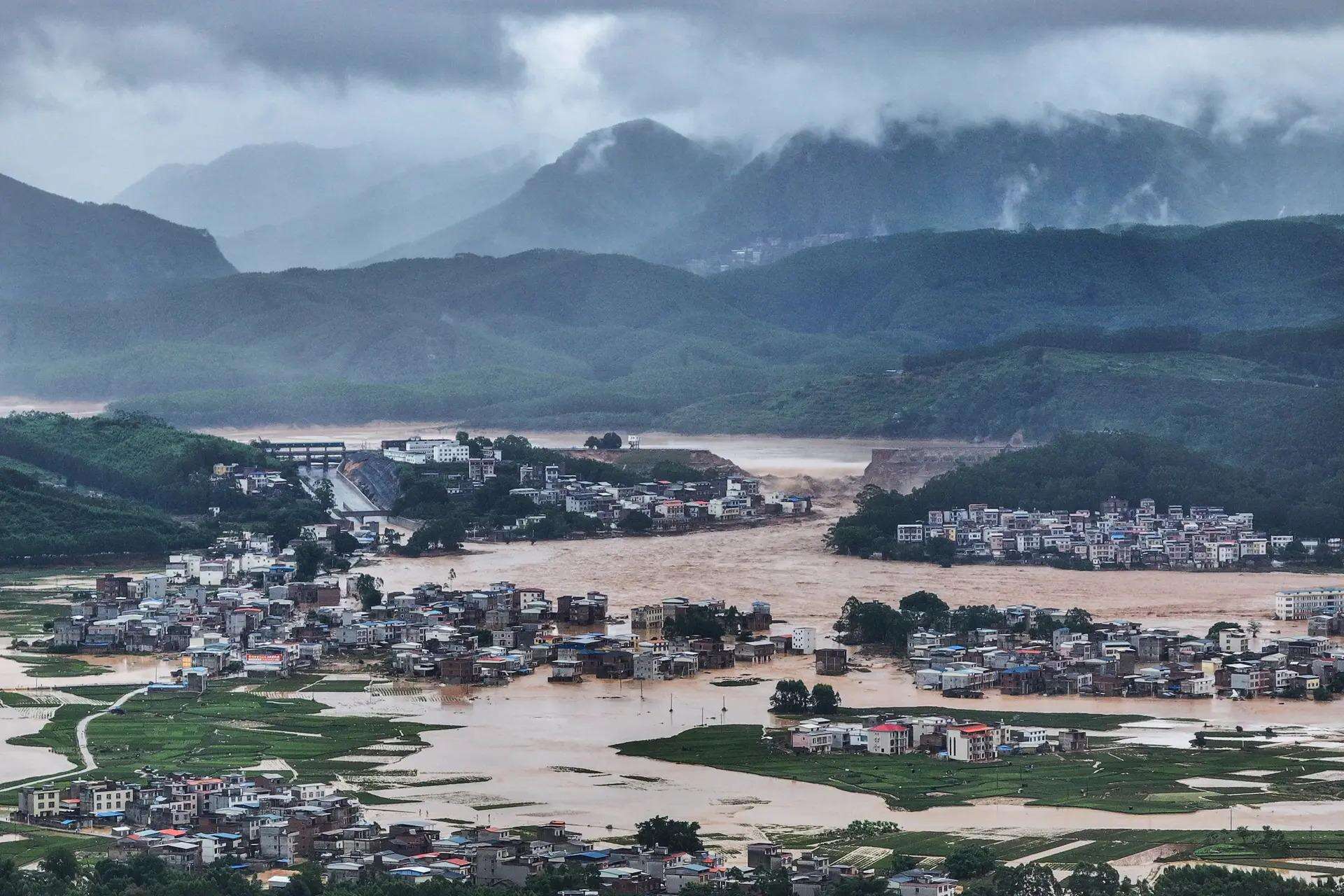
From landslides in Gansu to violent tornadoes in Hubei, a wave of lethal weather events has left a trail of destruction across China, prompting an urgent call for disaster relief.
The terrifying sight of food carts and debris hurtling through the streets of Huanggang captured the sheer intensity of the storms that hit Hubei province this week. Across China, extreme weather is taking a heavy toll, with at least 20 people confirmed dead and over 330 injured after a barrage of torrential rain, tornadoes, and landslides struck multiple provinces in just 24 hours. The disaster has forced the evacuation of tens of thousands, as local infrastructure struggles to cope with the onslaught.
A Trail of Destruction
The scale of the damage is widespread. In Hubei, powerful winds and tornadoes flattened 22 buildings and damaged nearly 5,000 others, leaving 11 people dead and hundreds injured. Simultaneously, in the north-west province of Gansu, a sudden landslide buried 33 people; rescue teams have managed to pull out 21, but five have since succumbed to their injuries, leaving search crews racing against time to find the remaining missing residents.
Further south in the Guangxi Zhuang Autonomous Region, the situation remains precarious. Heavy rainfall, linked to the movement of Typhoon Maysak, has triggered severe flooding. Official reports indicate that over 93,000 people have been affected, with more than 54,000 residents displaced as their homes were inundated. Four people have lost their lives in the region, and authorities are still searching for eight others who remain missing.
The Push for Relief
In response to the mounting crisis, President Xi Jinping has ordered "all-out" efforts to prioritize rescue operations and ensure medical treatment for the injured. State-run media reports suggest that the leadership is pushing for a significant upgrade to national weather monitoring and early warning systems. The goal is to bolster emergency preparedness, as current disaster response protocols are being stretched to their absolute limit by the frequency of these events.
Why it Matters: A Pattern of Instability
This isn't an isolated meteorological anomaly. China has been caught in a relentless cycle of extreme weather in recent months, with storms and floods hitting various provinces with increasing ferocity. For the global economy, this is a recurring red flag. When extreme weather disrupts logistics, destroys agricultural output, and damages industrial hubs, the ripple effects are felt far beyond the country’s borders.
Scientists are increasingly pointing to a shift in climate patterns that is driving both the intensity and the frequency of these storms. As these events become more common, the economic burden of disaster relief and infrastructure repair will likely grow, forcing policy planners to move beyond reactive rescue missions toward long-term adaptation strategies. For now, the priority remains the rescue of those still trapped under the debris and the stabilization of regions battered by the elements.
Rohan Gupta covers the economy, markets and companies for PoliticalPedia.