Washington Considers Diverting Frozen Iranian Assets to Fund Gulf Reconstruction
U.S. eyes Iranian assets for Gulf allies’ reconstruction, source says
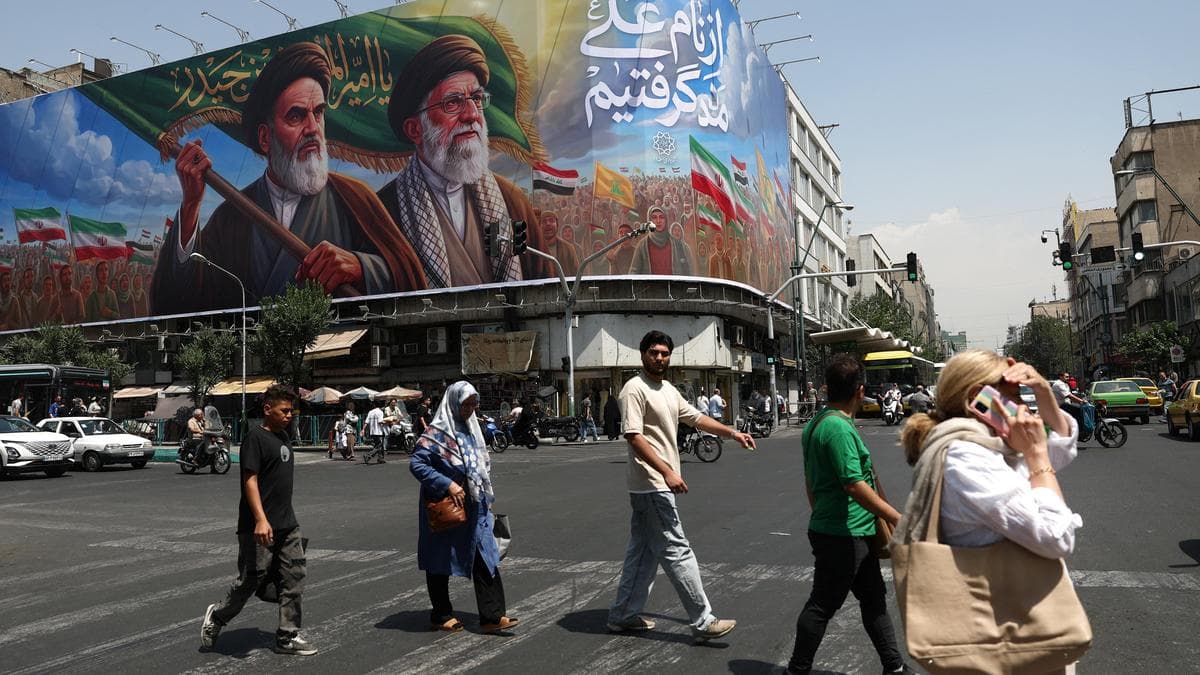
Tensions spike in the Middle East as the U.S. signals a shift in financial policy following a barrage of Iranian missile strikes on Kuwait and Bahrain.
The geopolitical landscape of the Middle East underwent a violent transformation this weekend, as the U.S. government signaled it may seize and redirect Iranian assets to cover the mounting costs of reconstruction for its Gulf allies. According to a source familiar with the matter, U.S. Treasury Secretary Scott Bessent has mobilized a dedicated team to audit the damage inflicted on regional partners. This move comes as a direct response to a wave of ballistic missile attacks launched by Tehran on Saturday, June 6, 2026, which targeted infrastructure in Kuwait and Bahrain.
The announcement marks a significant escalation in the economic war accompanying the three-month-old conflict. While Washington has not yet specified which holdings might be tapped, the language from Treasury officials suggests the strategy may extend beyond assets currently frozen in the United States. This potential seizure serves as a direct rebuttal to recent demands from Mohsen Rezaei, an adviser to Iran’s Supreme Leader, who stated that any path to peace is contingent upon the release of $24 billion in sequestered Iranian funds.
A Fragile Ceasefire Under Strain
The weekend’s hostilities have severely tested the viability of a long-sought interim deal aimed at halting the current war. The military engagement began early Saturday, June 6, when U.S. forces struck Iranian coastal radar installations on Qeshm Island and in Goruk. The Pentagon stated the strikes were necessary to neutralize Iranian drones that posed an imminent threat to maritime traffic in the volatile Strait of Hormuz.
In a swift retaliation, the Iranian Revolutionary Guard launched a series of ballistic missiles against U.S.-linked military bases. Kuwaiti officials reported that seven missiles passed over civilian areas, causing material damage, though they confirmed no casualties. Meanwhile, in Bahrain, air-raid sirens prompted mass evacuations as citizens sought cover. While Iran claimed its strikes successfully hit U.S. bases in both nations, U.S. Central Command maintained that six missiles were intercepted, with the seventh failing to reach its intended target.
Diplomatic Channels Remain Open
Despite the intensifying violence, diplomatic backchannels have not completely collapsed. On Saturday, a high-ranking minister from Pakistan arrived in Tehran carrying a formal letter for Iran’s Supreme Leader, Mojtaba Khamenei. This suggests that intermediaries are still scrambling to prevent a wider regional conflagration, even as the prospect of an interim agreement—which had previously sidelined complex issues like Iran’s nuclear program—appears increasingly precarious.
The move to repurpose Iranian capital for the reconstruction of Gulf allies is likely to be viewed by Tehran as a provocative act, potentially complicating any future negotiations. As the U.S. pushes to hold Iran financially accountable for the destruction of regional infrastructure, the strategic map of the Gulf is being redrawn in real-time. With both military and financial escalations unfolding simultaneously, the coming days will be critical in determining whether a fragile regional stability can be salvaged or if the conflict is destined for a more permanent expansion.
The PoliticalPedia Editorial Desk brings verified, sourced political news and analysis from across India.