Vat Purnima 2026: Why the Jyeshtha Full Moon Remains a Cultural Anchor
Vat Purnima 2026: Date, time, puja rituals and significance
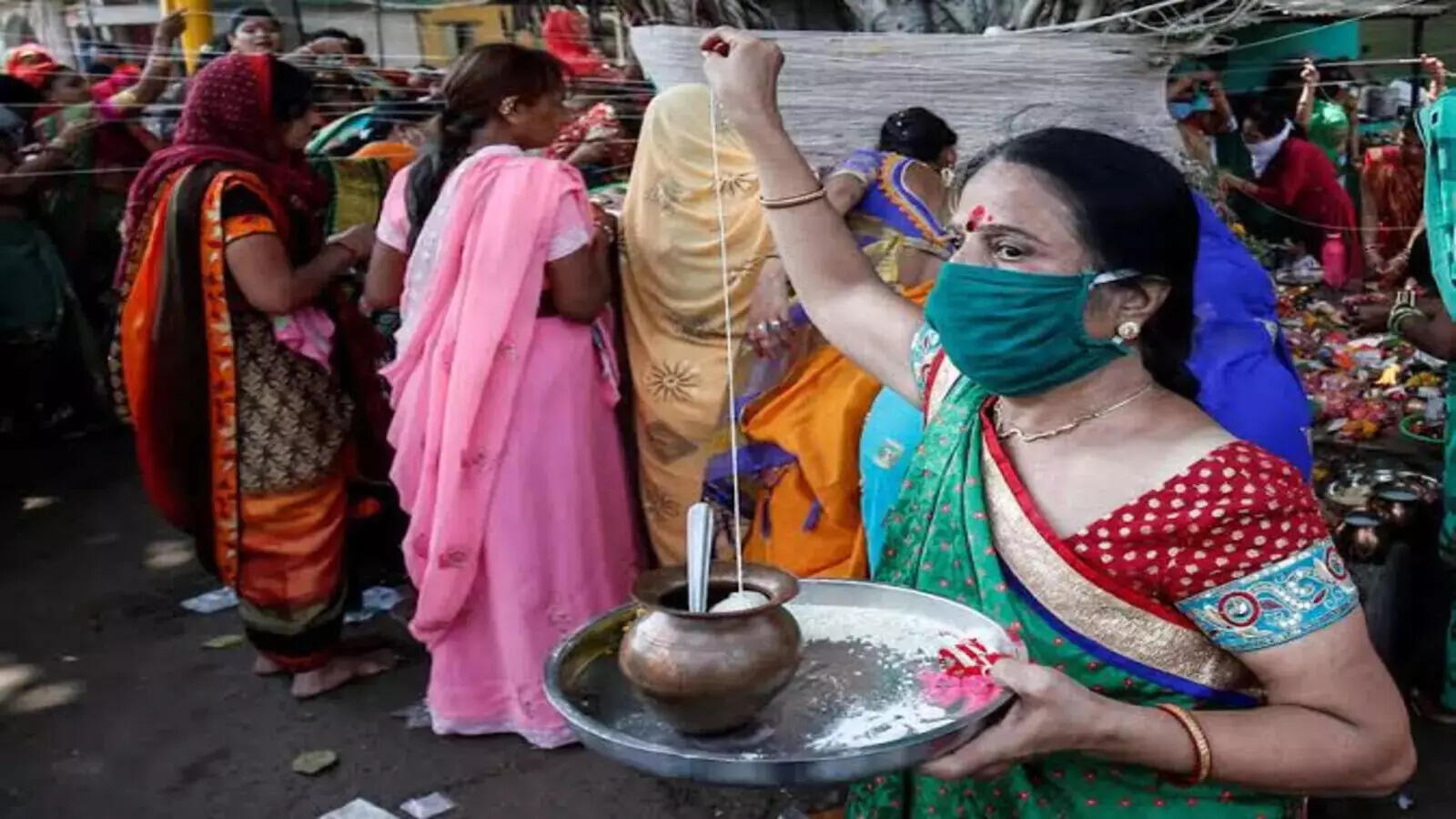
As the June full moon approaches, thousands of women across the country prepare for a day of tradition, fasting, and the deep-rooted observance of Vat Purnima.
The air in many Indian households is already shifting toward a quiet, purposeful rhythm as the date for Vat Purnima nears. Falling on the Purnima of the Jyeshtha month, this festival is a significant marker in the Hindu calendar, drawing focus to the age-old connection between faith, family, and the observance of long-standing rituals. This year, the Purnima tithi begins at 03:06 AM on June 29, 2026, and concludes at 05:26 AM the following day, June 30.
The Rituals of Devotion
For the women observing the fast, the day is one of deliberate simplicity and focused intent. After a pre-dawn bath and dressing in traditional finery, the focus shifts to the Vat Vriksha (the banyan tree). The tree is not merely a botanical entity in this context; it is viewed as a manifestation of the Trinity—Brahma, Vishnu, and Shiva. By offering water, incense, and prasad at the base of the tree and circling it seven times with a sacred thread, devotees seek the longevity and prosperity of their husbands.
This practice is deeply tied to the legend of Savitri, who, according to Hindu texts, famously challenged the God of Death, Yamaraj, to reclaim the life of her husband, Satyavaan. The narrative of her unwavering resolve continues to resonate, turning a simple day of fasting into a public and private display of devotion. Once the fast concludes at sunset, the tradition often extends into the home, with women seeking the blessings of their in-laws, often presenting them with gifts like new sarees or suits to cement the familial bond.
Why it matters: The bigger picture
While these traditions are rooted in ancient storytelling, their persistence in 2026 speaks to the enduring nature of cultural identity in modern India. In a landscape often dominated by the rapid pace of digital life and economic shifts, the adherence to Vat Purnima rituals serves as a communal anchor. It is a moment where the private, domestic sphere intersects with larger societal expectations, maintaining a continuity that links current generations to their ancestors.
The surge in interest around these dates—often accompanied by a parallel curiosity regarding lunar energy and astrological shifts like the upcoming full moon—highlights a growing intersection between traditional spirituality and a contemporary desire for cosmic alignment. Whether viewed through a purely religious lens or as a social tradition, the focus on the Jyeshtha full moon remains a consistent pulse point in the national calendar.
Planning for the day
With the Purnima falling on June 29, 2026, many will be looking toward local temples to find a well-maintained Vat Vriksha for their prayers. The preparation involved—from gathering puja samagri like turmeric, kumkum, and kaccha soot to preparing sattvik meals—requires a level of planning that keeps households busy throughout the week. While other lunar events often capture the attention of astronomers and astrologers alike, for millions, the significance of this day remains fixed on the simple, powerful act of the fast and the prayer for their loved ones' wellbeing.
Priya Nair covers parties, elections and the business of power for PoliticalPedia.