Snana Purnima 2026: Why the Lord of the Universe Goes into Seclusion Today
Deva Snana Purnima 2026: आज है देव स्नान पूर्णिमा, जानें रथयात्रा से पहले भगवान जगन्नाथ के महास्नान का क्या है महत्व?
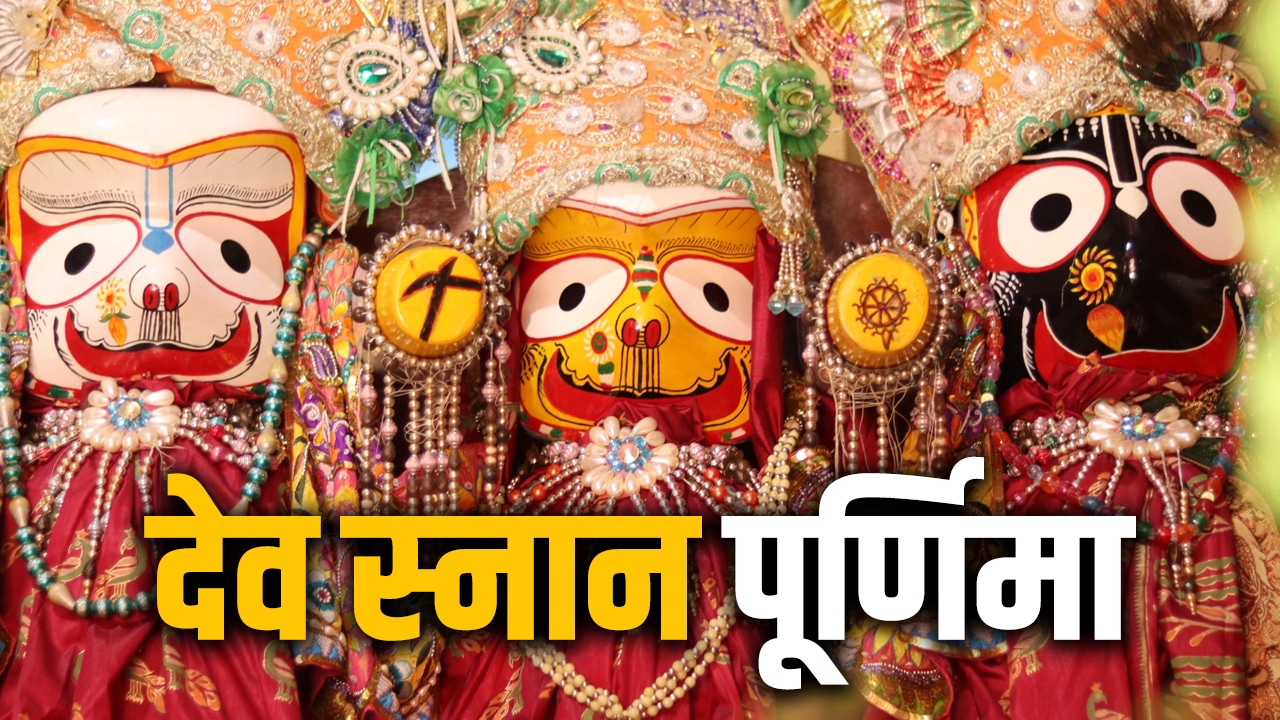
As the Jyeshtha Purnima moon rises, Puri readies for a sacred ritual that marks the countdown to the world-famous Rath Yatra.
The air in Puri is thick with anticipation today, June 29, 2026. As the sun climbs, the grand temples across the country are witnessing a transformation, but all eyes are fixed on the sanctum sanctorum of the Jagannath Temple. It is Deva Snana Purnima, the day the deities—Lord Jagannath, Balabhadra, and Devi Subhadra—are brought out from their inner chambers to the Snana Bedi in a grand, rhythmic procession. This isn't just another ritual; it is a meticulously choreographed tradition that sets the stage for the massive Rath Yatra to come.
The Ritual of the 108 Pots
The centerpiece of snana purnima 2026 is the ceremonial bath. Priests draw water from the temple's sacred northern well, pouring exactly 108 pots of sanctified water over the three deities. For devotees, this is a moment of profound spiritual connection, often accompanied by the chanting of mantras and prayers for purification. By evening, the ritual takes a unique turn: Lord Jagannath is adorned in the Gajanana Besha, dressed in the form of Lord Ganesha, a sight that draws thousands of worshippers to the snana mandapam.
The 15-Day Seclusion
There is a fascinating, human-like side to this divinity. Following the bath, tradition dictates that the deities fall ill. It is believed that the exposure to the change in weather—transitioning from the oppressive summer heat to the arrival of the monsoon—leaves the idols "ailing." For the next 15 days, they are moved to the Anasara Ghar, a private chamber where no public entry is allowed. Under the watchful care of the Raj Vaidya, the deities are treated with traditional Ayurvedic medicine, known as Dashmool Panchan, and Patta Chitra paintings are placed on the Ratna Singhasan to stand in for the resting gods.
Why It Matters: A Cultural Rhythm
Beyond the religious fervor, this period offers a lens into how ancient traditions align with seasonal shifts. The "illness" of the deities reflects the very real health challenges communities face during the humid transition to the rainy season, such as viral fevers and flu. By keeping the temple doors closed for 15 days, the administration effectively manages the massive crowds during a time when the weather is at its most unpredictable. It is a brilliant integration of temple protocol and public health, proving that these rituals are not just static worship, but a living, breathing calendar that has sustained itself for centuries.
A Day of Devotion
Across the country, from the bustling lanes of Delhi to the temples in Patna, the significance of this purnima remains undimmed. Whether through the observance of the Vat Savitri व्रत (fast) or the chanting of the "Om Namo Bhagavate Vasudevaya" mantra, the day is marked by acts of charity and quiet reflection. As the lord of the universe prepares for his retreat, the focus remains on the unity of the community and the preservation of a legacy that bridges the gap between the divine and the everyday.
Priya Nair covers parties, elections and the business of power for PoliticalPedia.