Vanishing Greenery: Coimbatore’s Fight Against Illegal Tree Felling Stalled by Policy Gaps
Vanishing shade: Coimbatore’s sparse tree cover falls prey to illegal felling
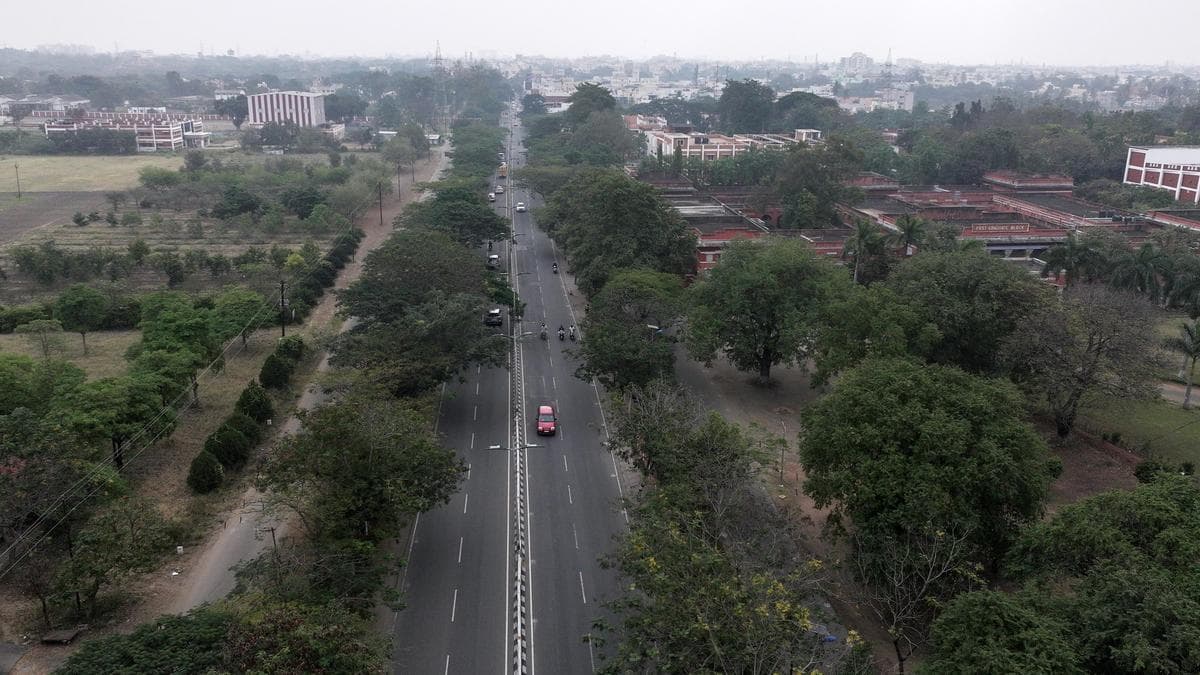
A lack of clear administrative guidelines and accountability is leaving the city’s public trees vulnerable to unchecked destruction.
Coimbatore is witnessing a quiet but alarming trend: the vanishing of its urban canopy, fueled by the illegal felling of trees in public spaces. While citizens and environmentalists are increasingly raising alarms, their efforts are frequently hitting a wall of bureaucratic ambiguity. The issue came to the fore recently when a mature kodukkapuli (Pithecellobium dulce) tree in a CCMC reserve site was chopped down, exposing a systemic inability to hold offenders accountable.
For residents like Joseph Reginald, a researcher from Ganapathy, the incident highlighted a fractured system. Even after the local Tahsildar intervened and directed the Coimbatore City Municipal Corporation (CCMC) to take action based on a report from the Village Administrative Officer, the response was underwhelming. The formal correspondence merely suggested that only branches were trimmed, conveniently omitting the fact that the entire tree had been felled and failing to identify the individual responsible.
A Web of Administrative Confusion
The struggle to protect these trees is hampered by a lack of clarity regarding legal authority. When citizens attempt to report illegal activity, they are often met with a "pass-the-buck" culture. The Forest Department maintains that its mandate is strictly limited to assessing the monetary value of felled trees, rather than pursuing the perpetrators. Similarly, the District Green Committee—the body tasked with environmental oversight—reportedly lacks the legal teeth to initiate punitive action against those violating tree protection norms.
This confusion leaves the public in the dark. There is no transparent framework defining who holds the power to grant permission for cutting trees, nor is there a clear protocol on where citizens should lodge complaints. Without a unified policy or specific Government Orders (G.O.) that clearly delineate roles, the protection of public flora remains largely performative.
The Ecological Toll
Environmentalists warn that the consequences go beyond the aesthetic loss of greenery. Trees in public places serve as vital micro-habitats, acting as essential nesting and roosting sites for local bird populations. When these trees are removed—often under the guise of infrastructure development or private encroachment—it disrupts the delicate ecological balance of the urban landscape.
Experts argue that current decision-making processes rarely account for the environmental value of these trees. While massive infrastructure projects often require tree removal, the decision to fell even a single tree should be preceded by a comprehensive survey of its biological impact. As the city continues to expand, the absence of robust, enforceable guidelines is not just a regulatory oversight; it is a direct threat to the environmental health of Coimbatore’s future.
The PoliticalPedia Editorial Desk brings verified, sourced political news and analysis from across India.