Turbulence Ahead: West Asia Conflict Pushes Global Airlines to the Brink of Financial Crisis
West Asia war fuels airline bankruptcy risks
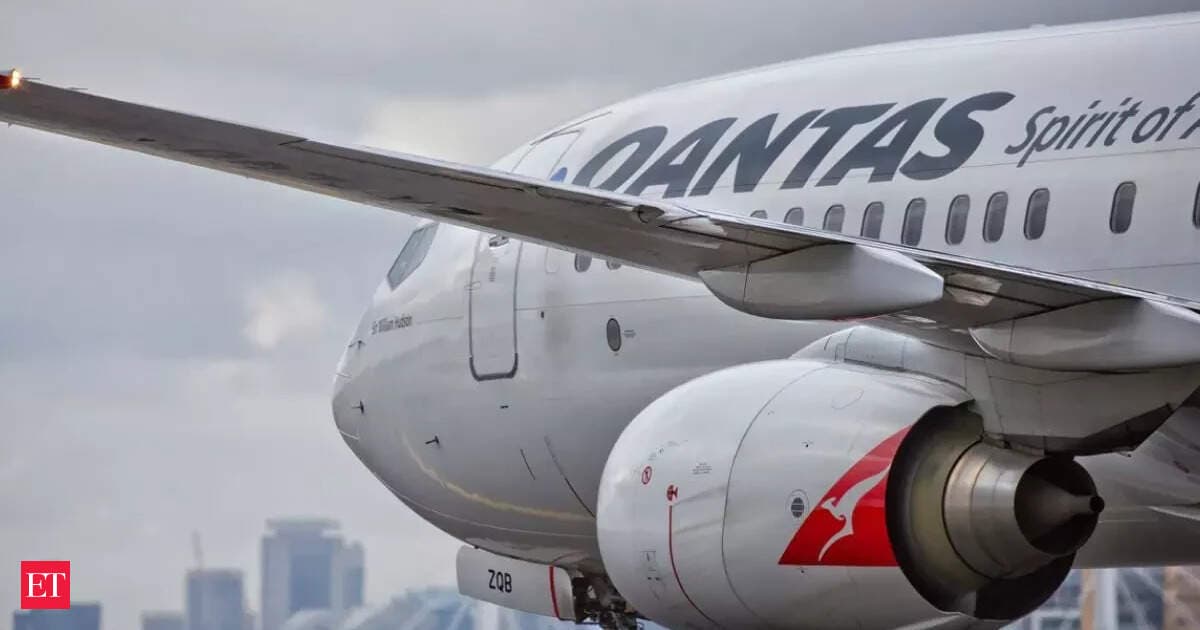
Escalating tensions involving Iran have choked jet fuel supplies and forced costly flight detours, leaving budget carriers vulnerable to collapse as travel costs surge.
The aviation industry is facing a precarious summer as the ongoing conflict in West Asia reverberates through global markets, triggering a severe jet fuel crunch. With supply chains disrupted and major air corridors rendered inaccessible, carriers are grappling with soaring operational costs. This volatility has already claimed its first high-profile victim: the collapse of Spirit Airlines, a development that industry leaders warn is likely just the beginning of a wider wave of bankruptcies.
Willie Walsh, director general of the International Air Transport Association (IATA), recently cautioned that many airlines lack the financial cushion to survive the current fuel price shock. Speaking at the IATA annual summit in Rio de Janeiro, Walsh noted that while established, high-margin legacy carriers may weather the storm, smaller budget players are particularly exposed. Lacking the diversified revenue streams—such as premium seating or robust loyalty programs—that keep larger firms afloat, these low-cost carriers face a stark reality of consolidation or total liquidation.
The Regional Impact on Hubs and Routes
The conflict has fundamentally upended traditional traffic flows through vital hubs in Dubai, Doha, and Abu Dhabi. Gulf carriers, which account for roughly 14% of global aviation capacity, are finding their strategic advantages tested by the need for circuitous flight paths. Despite these challenges, Walsh expressed confidence that the Gulf region’s importance as an aviation nexus will remain intact, emphasizing that such significant infrastructure capacity is nearly impossible to replace in the short term.
Across the globe, the ripple effects are manifesting in drastic operational changes. In Europe, Lufthansa has been forced to slash thousands of flights, while across Asia, airlines are weighing the prospect of grounding fleets or aggressively raising fares to offset surging expenses. From the UK to the US, airports and carriers are warning passengers of potential summer disruptions, with analysts increasingly concerned that the fuel squeeze could turn international travel into a "total mess" for consumers.
Consolidation and Regulatory Hurdles
Amid the instability, speculation regarding industry mega-mergers has surfaced, though experts remain skeptical of such outcomes. Reports of a potential bid by United Airlines to acquire American Airlines—allegedly pitched to the US administration—have been largely dismissed by observers like Walsh. He argues that the regulatory scrutiny such a deal would attract makes it a non-starter, suggesting that the industry will likely see smaller, forced acquisitions rather than massive, market-dominating combinations.
Despite these immediate threats, the long-term outlook for the low-cost model remains a point of debate. Walsh maintains that the budget airline concept is not "broken," pointing to the resilience of carriers like Ryanair in Europe as evidence of model viability outside the hyper-competitive U.S. market. However, for the present, the combination of high fuel prices and geopolitical instability has created a high-stakes environment where only the most well-capitalized carriers can hope to navigate the turbulence.
The PoliticalPedia Editorial Desk brings verified, sourced political news and analysis from across India.