Trump’s Iran Gamble: Why Netanyahu Was Left in the Dark
'Netanyahu was not warned': Israeli PM blindsided as Trump scrapped Iran strike plans
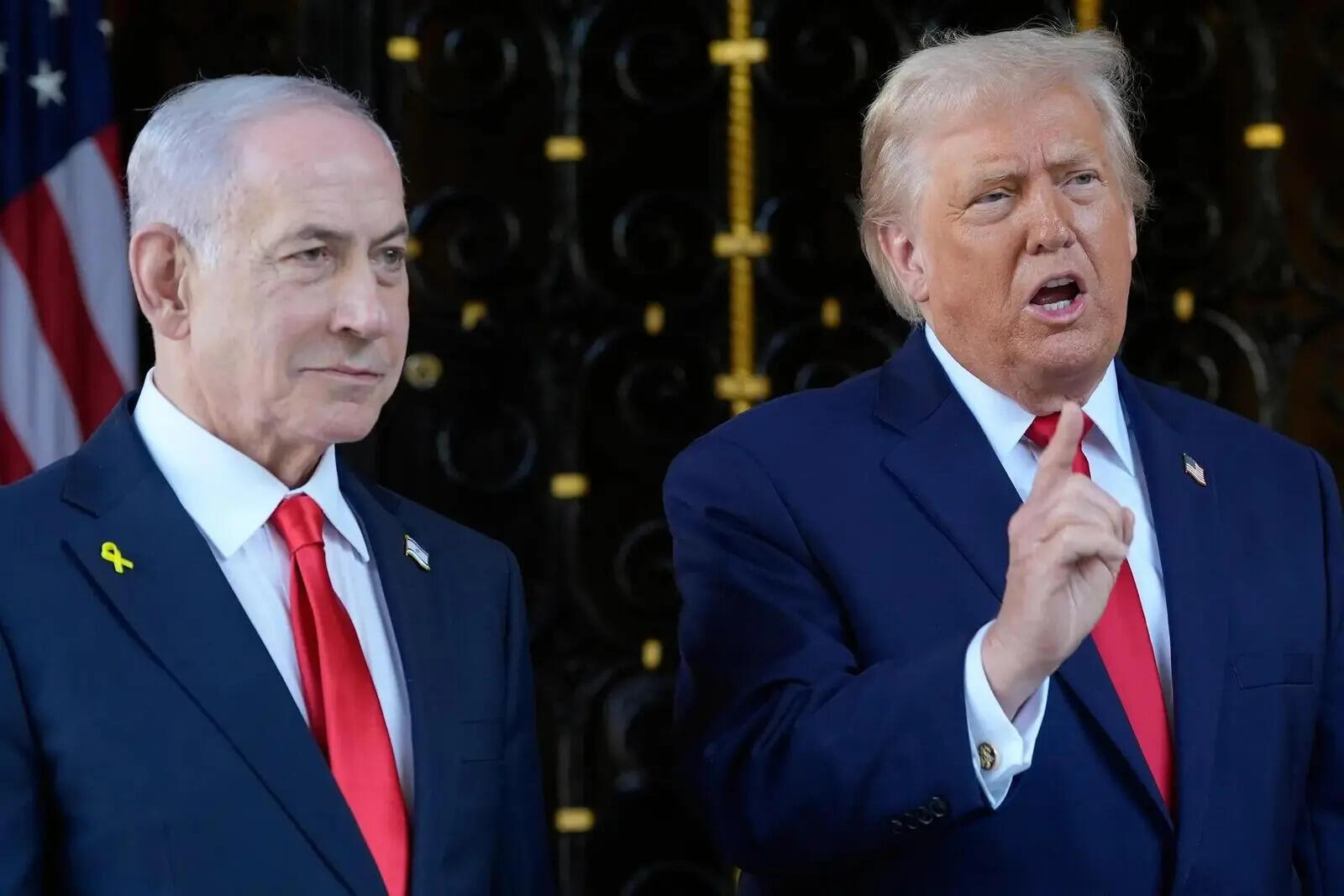
The Israeli PM was caught off guard as Washington pivoted from military strikes to a sudden, high-stakes diplomatic framework with Tehran.
The corridors of power in Tel Aviv are buzzing with a mix of frustration and uncertainty after Donald Trump blindsided Benjamin Netanyahu by abruptly cancelling planned military strikes against Iran. While Israeli officials had been bracing for a coordinated escalation, they were left scrambling for clarity when the US president took to social media to announce he had scuttled the operation in favour of a draft diplomatic agreement.
For the Israeli PM, the lack of advance notice was a jarring diplomatic cold shower. Reports indicate that Netanyahu learned of the pivot only after the US president had already made the decision public. This move marks a significant departure from the alignment Israel had expected, especially as the Netanyahu government has long insisted that only sustained military pressure could effectively check Tehran’s regional ambitions and its nuclear programme.
A Pivot at the Eleventh Hour
Trump’s announcement on Truth Social claimed that Iran’s leadership had approved a draft framework, which reportedly includes re-opening the Strait of Hormuz and extending the current ceasefire. In a bold declaration, the US president went as far as claiming that the two nations had effectively "ended the war," insisting that Tehran had provided assurances it would never pursue a nuclear weapon.
This sudden shift has created a palpable rift between Washington and Israel. While Israeli officials eventually offered a cautious welcome to any deal that genuinely addresses the nuclear threat, the underlying tension is clear. Tel Aviv’s security establishment has been deeply invested in a strategy of containment through force, and Trump’s gamble effectively pulls the rug out from under that policy without a prior consultation.
The Bigger Picture
Why does this matter? The incident highlights a fundamental divergence in how the US and Israel view the endgame in the Middle East. For Netanyahu, the risk is that a rushed diplomatic agreement might leave the core of Iran’s nuclear infrastructure intact, allowing Tehran to regroup while keeping its strategic leverage.
The pattern here is unmistakable: Trump’s "America First" style of diplomacy—often transactional and prone to sudden, unilateral shifts—frequently prioritises quick wins over the long-term, incremental security needs of traditional allies. By bypassing the usual diplomatic channels to announce such a major policy shift, Trump has signalled that he is willing to leave the Israeli PM in the cold to secure a legacy-defining deal. Whether this gamble brings lasting stability or merely a temporary reprieve remains the central question, but for now, the trust deficit between the two leaders has widened significantly.
Priya Nair covers parties, elections and the business of power for PoliticalPedia.