From Siege to Settlement: US and Iran Set for Historic June 19 Peace Signing
Middle East War | Iran Confirms Peace Deal With US; Formal Signing Ceremony Scheduled for June 19
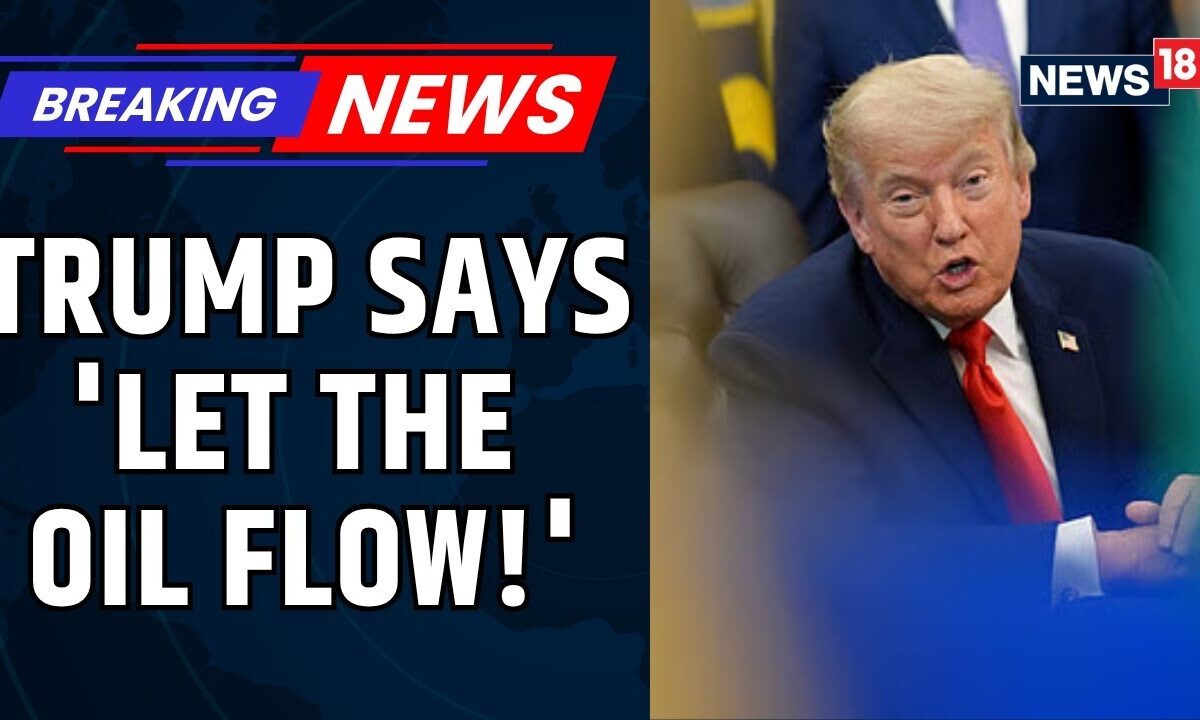
After months of volatile conflict in the Middle East, Washington and Tehran have confirmed a landmark peace deal that promises to reopen the Strait of Hormuz and de-escalate regional hostilities.
The long-standing standoff that brought the world to the brink of a major middle east war is finally witnessing a definitive thaw. Following weeks of back-channel diplomacy, Iran confirms peace deal with US, a move that has sent ripples of relief through global energy markets. The agreement, which marks a dramatic pivot in US-Iran relations, is set to be cemented at a formal signing ceremony scheduled for June 19 in Switzerland, with US Vice President J.D. Vance expected to lead the American delegation.
Details emerging from the negotiations suggest the accord is far-reaching. Beyond the immediate ceasefire, the agreement reportedly facilitates the release of $12 billion in frozen Iranian assets, a crucial concession that signals a return to economic normalcy for Tehran. Furthermore, the Strait of Hormuz—the world’s most critical oil chokepoint—is slated for a full, permanent reopening. Donald Trump has publicly characterized the deal as a "permanent, toll-free" resolution to the naval blockade that had previously threatened to choke global supply chains.
The Regional Impact
The scope of the agreement extends well beyond the Persian Gulf. Reports indicate that the terms of the accord include provisions regarding Lebanon, suggesting a broader regional realignment. For months, the specter of conflict had dominated headlines, turning the region into a powder keg. By securing this peace deal, both Washington and Tehran appear to be pivoting away from the brink of direct military confrontation that had kept global markets—and investors tracking indices like the nikkei index—on edge for the better part of the year.
Why It Matters: The Bigger Picture
This diplomatic breakthrough represents a massive tactical shift for the White House. By opting for a negotiated settlement over continued military pressure, the administration is betting on long-term stability rather than open-ended engagement. For India, which maintains deep energy and strategic ties in the region, the reopening of the Strait of Hormuz is a welcome development that should ease concerns over crude oil prices and maritime security.
However, the durability of this agreement will face immediate tests. Peace in this region is rarely linear, and the success of the June 19 summit will hinge on the implementation of these terms on the ground. While the announcement has been hailed by international leaders as a historic step, observers remain cautious about how regional proxies and shifting domestic politics in both nations might influence the deal’s longevity. For now, the world watches Switzerland, hoping the ink on the June papers holds firmer than the rhetoric of the past months.
Priya Nair covers parties, elections and the business of power for PoliticalPedia.