Thirst on the Indus: How the Treaty Suspension is Remaking the Map of Pakistan’s Agriculture
Indus Waters Treaty fallout? Nearly a third of Pakistan faces water crisis
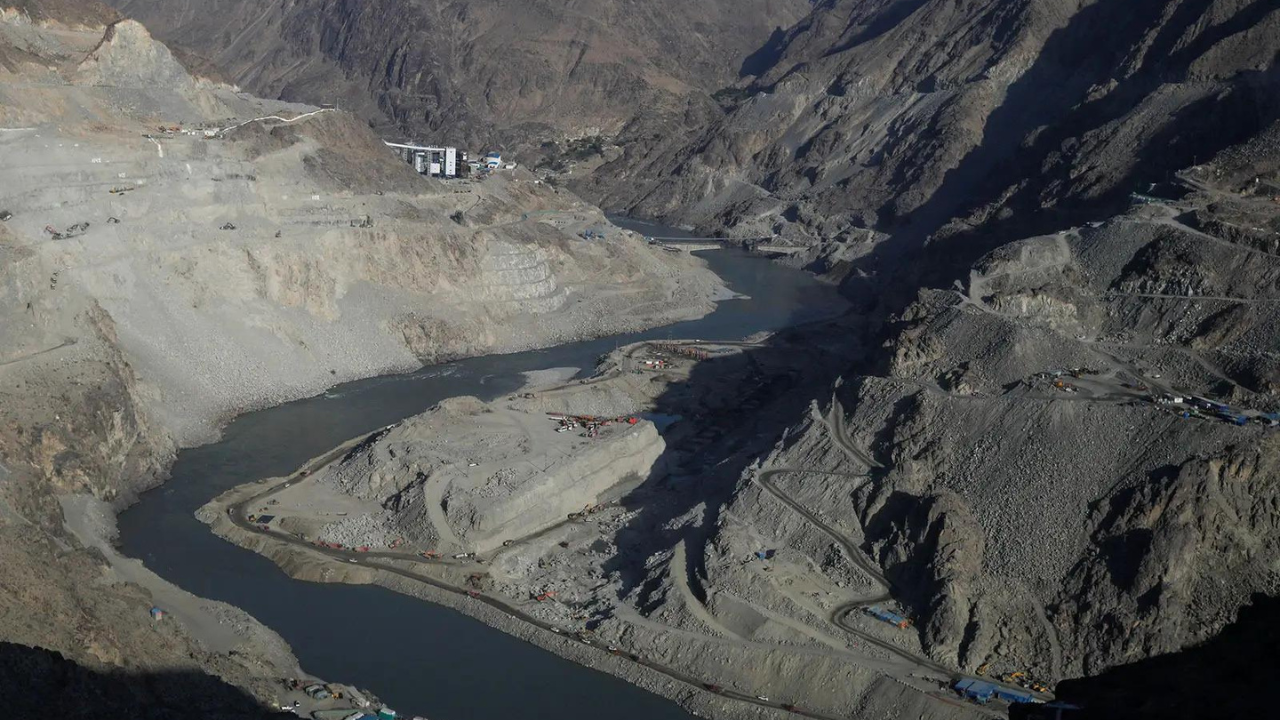
As New Delhi maintains its hardline stance on the Indus Waters Treaty, the parched fields of Sindh and Balochistan signal the high cost of cross-border volatility.
The dry beds of the Sukkur Barrage tell a story that goes far beyond a seasonal shift in weather. For farmers across the lower Indus basin, the water that once reliably fed their crops has become a volatile commodity. Since New Delhi placed the Indus Waters Treaty in abeyance following the Pahalgam terror attack, the fallout has cascaded through Pakistan’s agricultural heartland. Nearly a third of the country, particularly the agrarian economies of Sindh and Balochistan, is now grappling with a systemic water crisis that threatens to trigger a full-blown economic collapse in these regions.
The Cost of Zero Tolerance
The shift in India’s diplomatic posture is as stark as it is deliberate. Following the Pahalgam incident and the subsequent military response under Operation Sindoor, the government made a calculated move to decouple bilateral cooperation from regional security. Defence Minister Rajnath Singh’s recent comments have removed any ambiguity: India no longer views water-sharing as an isolated technical arrangement. By stating that the waters of the Indus will not flow to the "patrons of terrorists," New Delhi has signaled a permanent pivot in its regional strategy, effectively using water as a key lever in its "zero tolerance" policy toward state-sponsored militancy.
A Canal Network in Crisis
The physical impact of this geopolitical tension is most visible in the precarious state of Pakistan’s irrigation infrastructure. Reports from the ground indicate that the canal network is buckling under the strain of dwindling supplies. The Dadu Canal is facing a staggering 82 per cent shortfall, while the North West and Rice Canals are struggling with deficits of 64.1 per cent and 38 per cent, respectively. These aren't just dry numbers; they represent the slow strangulation of the rural economy, where illegal withdrawals and uneven distribution are further exacerbating the misery of those already at the end of the supply line.
Why it matters: The Geopolitical Pivot
The crisis highlights a fundamental shift in South Asian statecraft. For decades, the Indus Waters Treaty was considered one of the few resilient frameworks in an otherwise fraught bilateral relationship. Its current abeyance indicates that India is moving away from traditional diplomacy toward a more assertive, consequence-based approach. The implications are significant: Pakistan is now being forced to confront the reality that its internal stability—specifically its food and water security—is inextricably linked to its external security choices. As New Delhi holds firm, the strategic utility of the treaty as a "sacrosanct" document has effectively evaporated, replaced by a new, more dangerous phase of water-based brinkmanship.
A Precarious Future
The situation remains fluid and highly combustible. While experts debate the long-term sustainability of this approach, the short-term reality is that the agricultural output of Sindh and Balochistan is facing an unprecedented threat. With both climate variability and political decisions converging, the region is witnessing a perfect storm. Whether this pressure leads to a shift in policy or a deeper, more entrenched cycle of regional instability remains the central question for policymakers in both capitals.
Arjun Mehta reports on government, policy and Parliament for PoliticalPedia, in English and Hindi.