Trump Signals 'Great Settlement' with Iran, but Tehran Keeps Options Open
'Great settlement soon in Europe': Trump sees imminent Iran deal, Tehran yet to nod
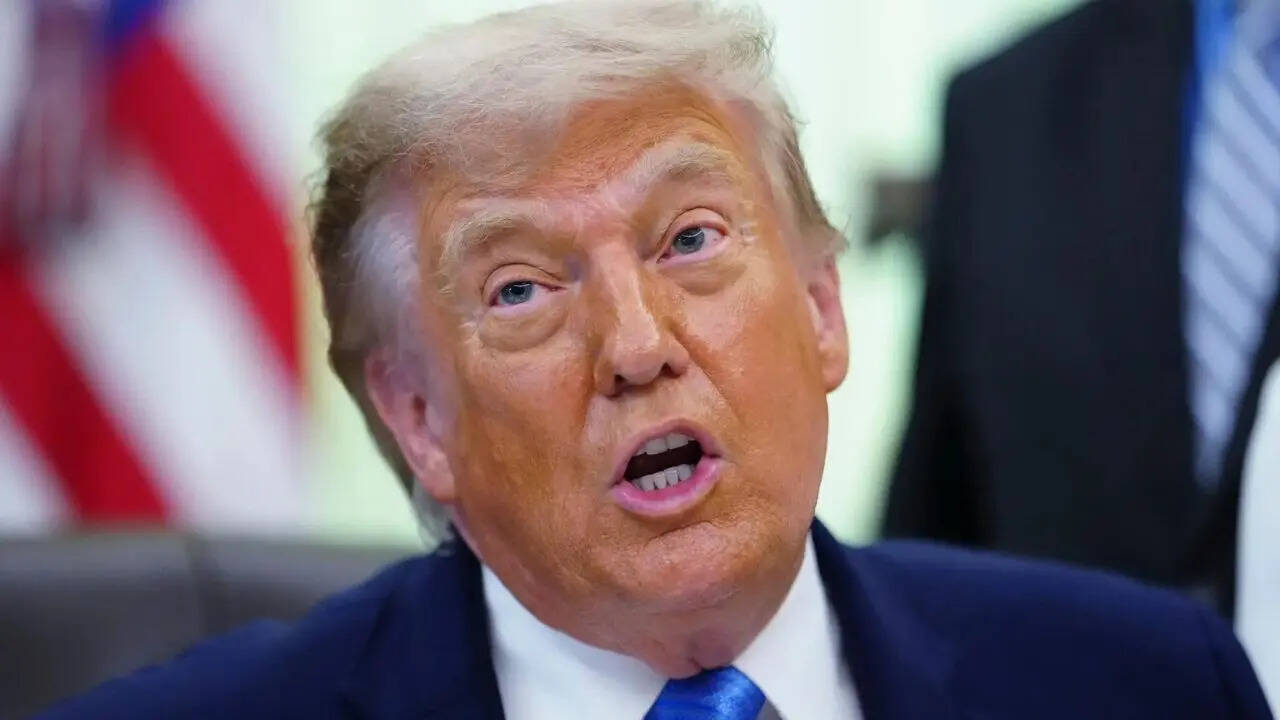
Washington talks up an imminent breakthrough in Europe while Iranian officials dismiss reports of a final deal as premature speculation.
The Oval Office was buzzing this Thursday with talk of a "great settlement" that could reshape global energy markets. Standing before the press, Donald Trump laid out a timeline that suggests the standoff with Iran might be nearing a conclusion as early as this weekend. The US president spoke confidently about the finalisation of documents, hinting that a high-profile signing ceremony could take place in Europe. For the White House, the stakes are clear: a deal would trigger an immediate lifting of the US-led blockade, a move Trump claims would cause oil prices to drop "like a rock."
Tehran’s Cold Water
Yet, the narrative coming out of Tehran is starkly different. While Trump asserts that the Iranian leadership has already greenlit the terms, Iran’s foreign ministry is pushing back. Spokesperson Esmail Baghaei has termed the reports of a finalised agreement as "merely speculation," insisting that no such decision has been reached. According to IRNA, the state-run agency, Iran is still reviewing the draft. Baghaei pointedly noted that while mediators from Qatar and Pakistan are working behind the scenes, shifting US positions have complicated the diplomatic process, leaving Tehran wary of compromising its "red lines."
The Tactical Gap
There is a palpable disconnect between the messaging in Washington and the reality on the ground. Trump’s optimism—which extends to the belief that Iran has agreed to permanently forgo nuclear development—stands in contrast to the measured, cautious tone of Iranian officials. Even as regional players like Israel signal they are watching closely, they have made it clear they are not a party to any memorandum of understanding. This creates a volatile environment where the promise of a deal is being used as a tool for public sentiment, even as the fine print remains a subject of intense negotiation.
The Bigger Picture
Why does this matter? For India and other energy-importing nations, the prospect of a deal is significant, primarily because of the potential for a swift correction in crude oil prices. However, the recurring pattern of "imminent" breakthroughs followed by diplomatic back-and-forth suggests that a formal signing is far from guaranteed. This is a classic high-stakes game of brinkmanship. Until the paperwork is truly finalised and both capitals are singing from the same hymn sheet, the global market will likely remain in a state of nervous anticipation, reacting to every headline rather than any concrete shift in policy.
Arjun Mehta reports on government, policy and Parliament for PoliticalPedia, in English and Hindi.