Trump Cancels Iran Strikes Following 'High-Level' Diplomatic Breakthrough
US-Iran War Live: Trump Cancels Iran Strikes After 'High-Level Approval' Of Talks
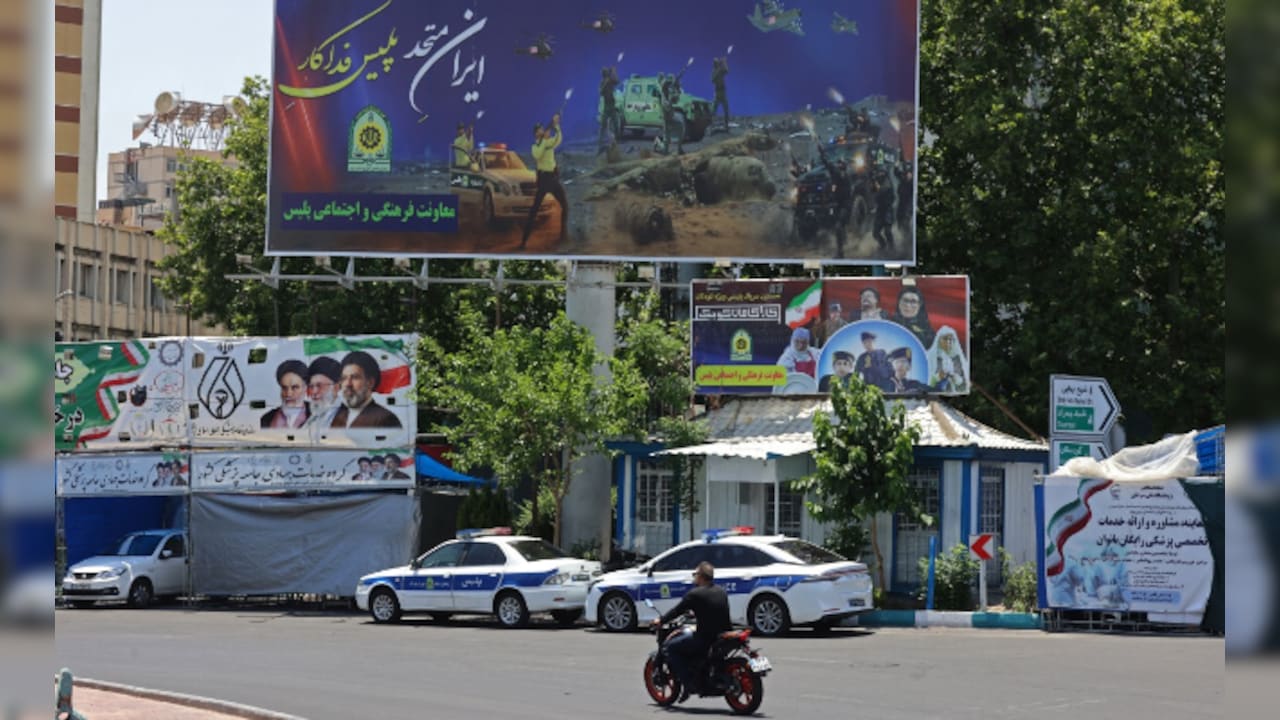
US President confirms military action is off the table as a tentative agreement takes shape, though a naval blockade remains in force.
The threat of an imminent military escalation in the Middle East has receded for now. In a dramatic shift that caught global markets and geopolitical observers off guard, Donald Trump announced he has called off planned strikes against Iran, citing progress in high-level talks. The U.S. President confirmed via social media that the decision to halt the offensive followed direct discussions with the highest echelons of Iran’s leadership.
According to the White House, the core components of a potential agreement have been hammered out. Trump indicated that this framework has already received the backing of a broad coalition, including Israel, Saudi Arabia, the UAE, Qatar, Turkey, Pakistan, and several other regional players. While the move to pull back the military is a significant de-escalation, the U.S. has made it clear that the ongoing naval blockade will remain in full effect until a final, formal document is signed.
The Diplomatic Tightrope
The path to this moment has been volatile. For several days, the region remained on edge as the prospect of an Iran war loomed large, with threats targeting key infrastructure like Kharg Island. While the administration is touting a breakthrough, the situation remains fluid. Reports from the region indicate a degree of discord; notably, some Iranian sources have moved to deny that they have formally approved the text of a Memorandum of Understanding, suggesting that the "high-level approval" described by Washington may be viewed differently in Tehran.
For now, the focus has shifted to the logistics of a potential summit. Reports suggest that key figures, including U.S. Vice President-elect J.D. Vance, may be poised to attend a signing ceremony, likely in Europe, as early as this weekend.
Why it matters
The sudden pivot from the brink of conflict to a prospective deal highlights the extreme fragility of current Middle Eastern security. For India and other emerging economies, the stakes are primarily economic. A sustained military conflict would have undoubtedly sent oil prices into a tailspin and snarled critical shipping lanes in the Gulf, which serve as the energy lifeline for the subcontinent.
Even with a deal in sight, the persistence of the naval blockade acts as a reminder that the "war" is not yet over; it is merely being contained within diplomatic channels. The coming days will be a test of whether this coalition of regional powers can actually finalize the technical details or if this is merely a temporary reprieve in a much longer, systemic standoff. Markets will likely remain sensitive to any rhetoric that suggests these talks are fraying, as the transition from "scheduled strikes" to "negotiated peace" remains, for now, a fragile promise.
Rohan Gupta covers the economy, markets and companies for PoliticalPedia.