Trump and Netanyahu at loggerheads: Behind the scenes of a crumbling Middle East truce
'Almost got into a fight’: Donald Trump-Netanyahu tensions flare over Lebanon
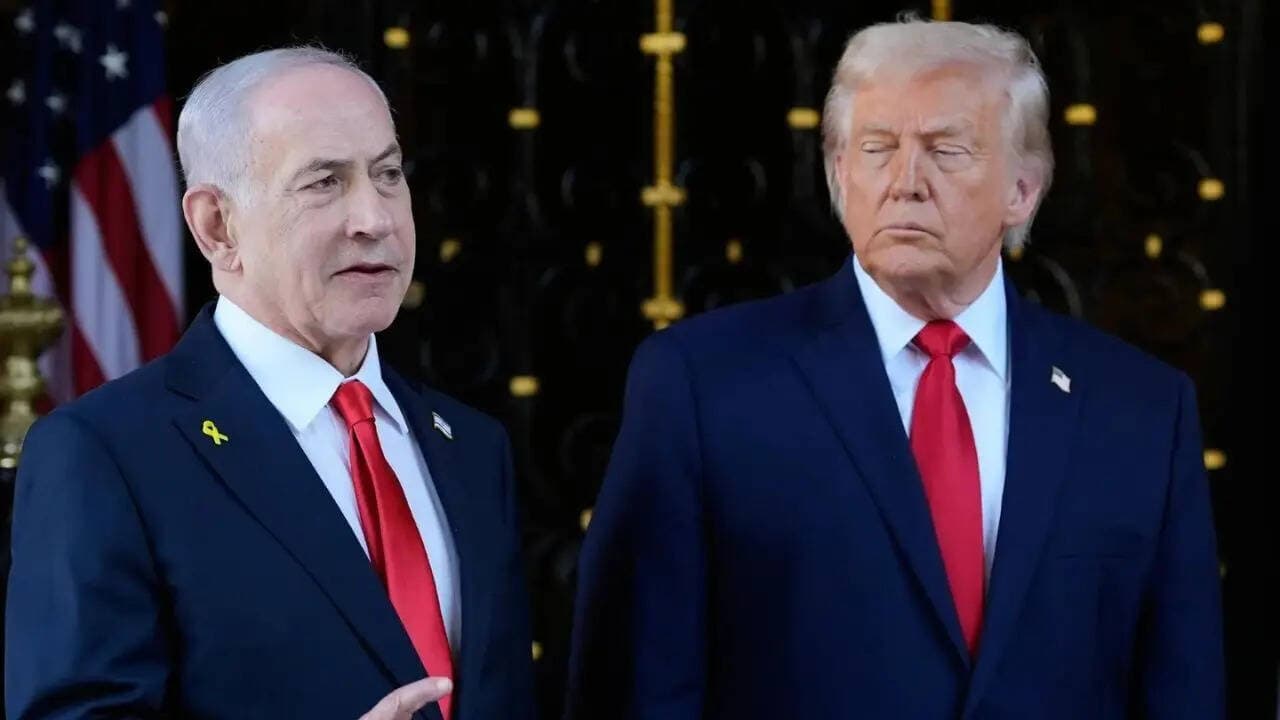
As regional hostilities surge from the suburbs of Beirut to the Strait of Hormuz, a rare, high-stakes discord between Washington and Tel Aviv threatens to derail delicate diplomatic efforts.
The diplomatic equilibrium in the Middle East is fraying, and at the centre of the storm is an unusually sharp rift between Donald Trump and Benjamin Netanyahu. According to reports from the ground, the friction has reached a point where the US President allegedly "almost got into a fight" with the Israeli Prime Minister over the mounting military strikes in Lebanon. For a relationship often defined by strategic alignment, this public airing of grievances suggests that the White House is increasingly losing patience with Israel’s aggressive posture in its ongoing conflict with Iran and its proxies.
The tension spilled into the open following comments by Michel Issa, the US ambassador to Lebanon. After a meeting with Lebanese Parliament Speaker Nabih Berri, Issa indicated that the US had firmly decided against an expansion of the confrontation, a stance that has put Washington on a collision course with Tel Aviv. While Israeli jets continue to conduct deadly strikes in southern Lebanon and the suburbs of Beirut, the White House has been working the phones, pushing Netanyahu to exercise restraint.
The pressure to pause
The divide between the two leaders is not merely rhetorical; it is tactical. Multiple reports indicate that Trump has directly urged Netanyahu to hold off on retaliatory measures against Iran following recent missile exchanges. The US administration’s strategy hinges on a belief that they are "close to doing something good in terms of a deal," and that further escalation would effectively torpedo these high-stakes negotiations.
In a telling exchange reported by the Financial Times, Trump appeared to assert unilateral control over the situation, bluntly stating that Netanyahu "won’t have any choice" but to accept a US-brokered deal. "I call the shots. I call all the shots," the President claimed, underscoring the shift in power dynamics as Washington seeks to contain a regional wildfire that has already seen oil prices spike and tensions flare near the Strait of Hormuz.
Why it matters
The deepening rift between Trump and Netanyahu highlights a fundamental divergence in regional objectives. For Israel, the priority is a decisive military response to neutralise threats along its borders, regardless of the wider diplomatic cost. For the US, the goal is stability—or at least the appearance of it—to protect global trade routes and secure a durable regional deal.
If the "pseudo agreement" Netanyahu reportedly gave to stand down holds no weight on the ground, the US may find its influence in the Middle East rapidly diminishing. When the world’s most powerful military ally and its primary regional partner are reading from different scripts, the window for a lasting ceasefire closes. For India, which relies on the region for critical energy imports and hosts a vast diaspora, this unpredictability is a significant strategic concern. As the strikes continue despite talk of a truce, the message from Washington is clear: the era of unconditional support may be facing a reality check.
World Desk at PoliticalPedia covers global affairs for an Indian audience in English and Hindi.