Transparency Test: CIC Pulls Up CBSE Over Board Exam Procurement Records
CBSE must disclose Class 10th, 12th answer sheet procurement details, says CIC
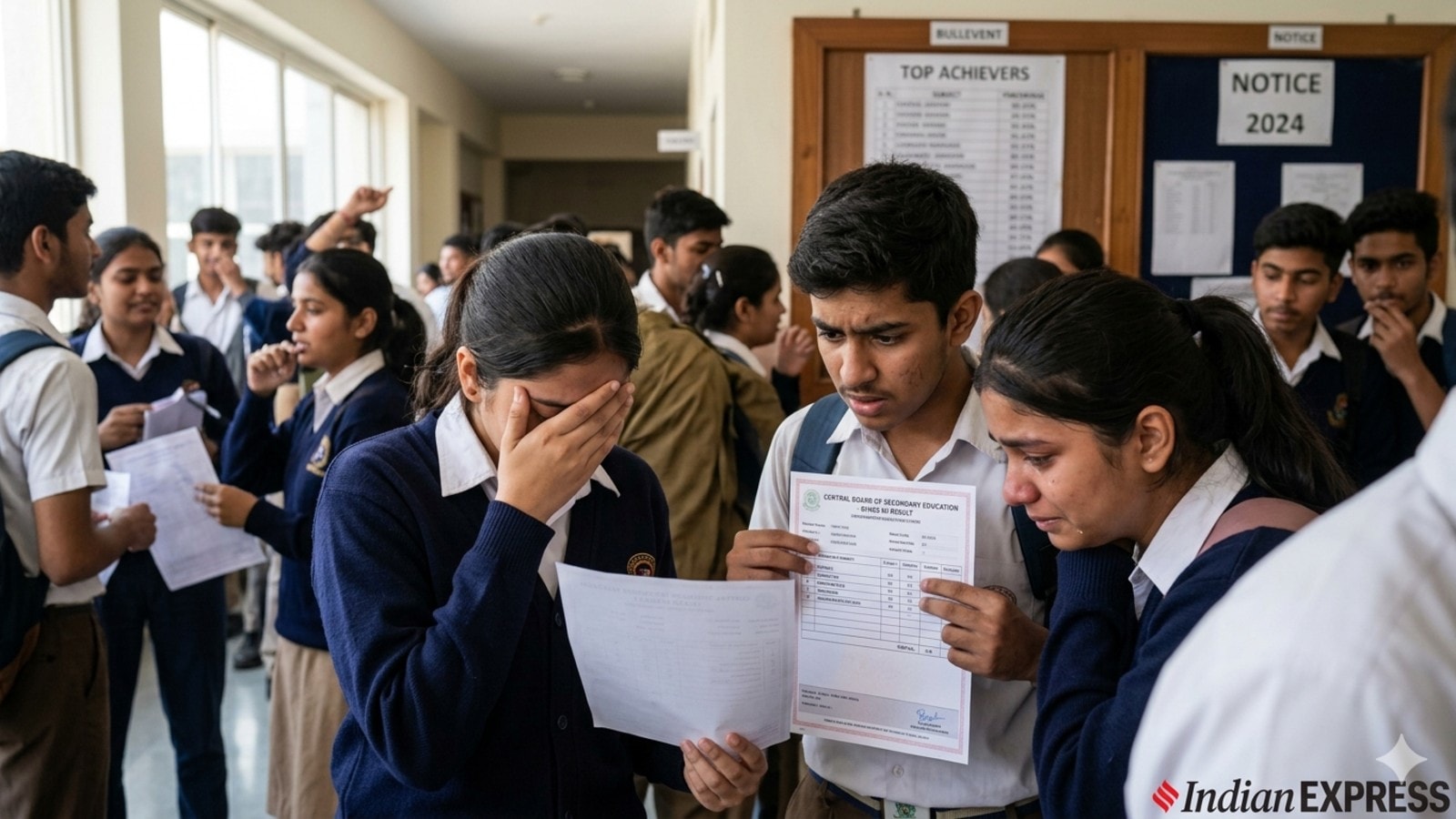
The Central Information Commission has directed the board to open its books on paper costs and tendering processes, rejecting claims of 'sensitive' confidentiality.
For years, the Central Board of Secondary Education (CBSE) has operated behind a veil of administrative privilege when questioned about the mechanics of its massive examination machinery. That curtain has now been tugged aside. In a significant order, the Central Information Commission (CIC) has effectively overruled the board’s refusal to share granular data regarding the procurement of answer books for Class 10 and Class 12 examinations.
The dispute arose after an applicant sought detailed information on the supply chain behind the lakhs of booklets used annually. Specifically, the RTI request demanded clarity on the paper quality, dimensions, procurement costs, GST outgo, and the nuances of the tendering process for the 2023-24 and 2024-25 sessions. While the CBSE did offer up technical specs—confirming they use paper ranging from 60 to 120 GSM and various page counts—it drew a hard line at the money.
The Wall of 'Confidentiality'
When pressed for the financial reality of these contracts, the board invoked Section 8(1)(d) and (e) of the RTI Act, claiming the information was commercially sensitive and that the expenditure records were held in confidence. It even argued that expenditure data for exams is managed on a broad financial-year basis, making it impossible to isolate costs for specific academic cycles or practical exams.
The CIC wasn't buying it. The commission has now ordered the CBSE to provide a "point-wise categorical" response. It clarified that if the board truly believes certain details threaten its competitive interests, it must provide a specific legal justification for each denial rather than issuing a blanket refusal. Any truly sensitive portions can be redacted, but the board can no longer use "confidentiality" as a catch-all to shield its procurement process from public scrutiny.
Why it matters
This ruling is more than just a bureaucratic tug-of-war over paperwork; it touches on the accountability of India’s largest school board. The CBSE manages an enormous logistical operation, and the public has a right to understand how tax-funded exam fees are translated into the infrastructure of assessment. By forcing the board to define its "sensitive" activities, the CIC is setting a precedent that even the most "confidential" examination processes must align with the transparency requirements of the RTI Act. For parents and students, who often feel the board acts as an opaque monolith, this is a rare win for institutional openness.
The board must now reconcile its internal secrecy with the Commission's directive. As the scrutiny on examination procedures intensifies, the CBSE will likely need to adopt a more proactive disclosure policy to avoid further legal interventions. Whether this leads to a full audit of exam spending or merely a more detailed set of responses, the message from the CIC is clear: the procurement of answer books is a matter of public interest, not just an internal administrative file.
Priya Nair covers parties, elections and the business of power for PoliticalPedia.