Tragedy in North Goa: How Online Shaming and Police Harassment Drove a Student to Suicide
A young man’s suicide in Goa puts spotlight on online shaming and police heavy-handedness
A 22-year-old’s death after being summoned for a minor littering offense has sparked urgent questions about the impact of viral shaming and the conduct of local authorities.
The quiet routine of a North Goa family was shattered this week when a 22-year-old college student took his own life, just hours after returning home from a harrowing ordeal at a local police station. The youth had been summoned by authorities following a viral video that depicted him allegedly littering near a greenbelt. His death has now prompted Goa Chief Minister Pramod Sawant to order a formal inquiry, as the incident ignites a fierce debate over the weaponization of social media and the appropriateness of police intervention in minor civic disputes.
A Minor Infraction Turned Public Spectacle
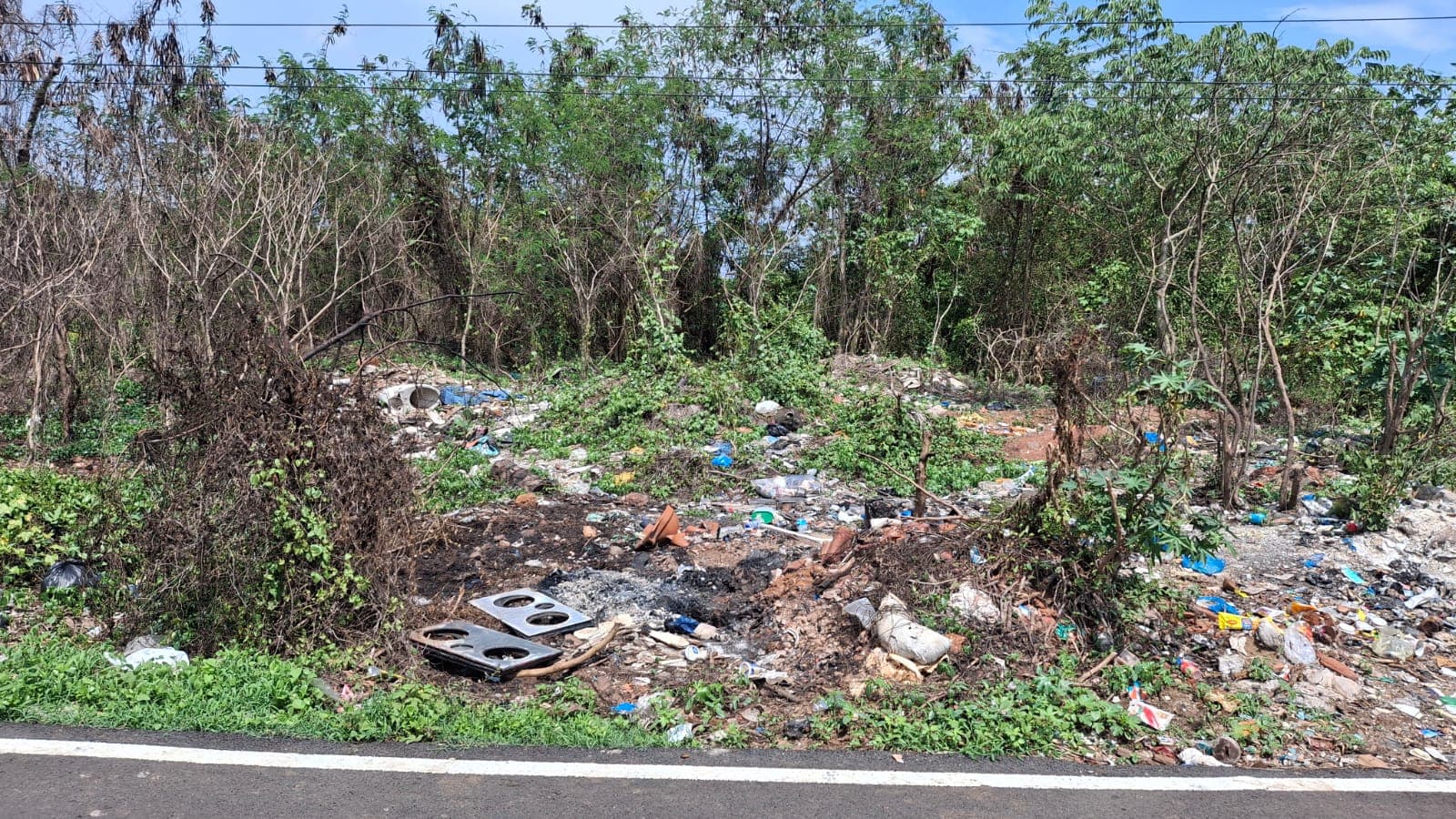
The chain of events began on Wednesday evening when the third-year BA student drove his scooter roughly 500 metres from his home to dispose of an empty cardboard box. While attempting to place the waste near existing debris, he was confronted by a local resident who recorded the interaction on a mobile phone. During the confrontation, the individual not only rebuked the student but also forcibly snatched the keys to his scooter.
By Thursday, the recording had surfaced online, circulating rapidly across social media platforms. The victim’s family recounted that the student returned home visibly shaken on Wednesday but initially attempted to move on with his life, spending his evening playing mobile games. The situation escalated drastically on Thursday afternoon when the family received a phone call from the police station, demanding the student’s presence due to the viral nature of the complaint.
Hours of Duress at the Station
Accompanied by his mother and sister, the student spent several hours at the station. Family members described a climate of intimidation, noting that they had no prior experience with law enforcement and felt deeply vulnerable. Despite the family’s attempts to apologize, they reported that officers insisted on registering an official offense.
The student was allegedly subjected to intense questioning and told that he would be required to appear in court to pay fines. Furthermore, he was reportedly ordered to report to the police station for three consecutive days and warned that he was prohibited from leaving the city. The family stated that the student was visibly stressed by these conditions, a pressure that was exacerbated when he began receiving abusive messages and tags from strangers online who had identified him through the viral video.
A Growing Crisis of Digital Accountability
The student’s death has highlighted a dangerous intersection between civilian "vigilante" filming and the heavy-handed response of law enforcement. Experts suggest that when minor civic infractions are amplified through viral shaming, the psychological toll on the accused—particularly young people—can be catastrophic. By involving the police in matters that might have been handled through local civic channels, the incident raises critical concerns about whether the current administrative response is disproportionate to the alleged offense. As the state government initiates an inquiry, the community is left grappling with the tragic cost of a society that increasingly prefers public humiliation over due process.
The PoliticalPedia Editorial Desk brings verified, sourced political news and analysis from across India.