Total Solar Eclipse 2026: Will the August celestial event be visible from India?
Total Solar Eclipse on August 12, 2026: Will it be visible in India? Here’s what to know
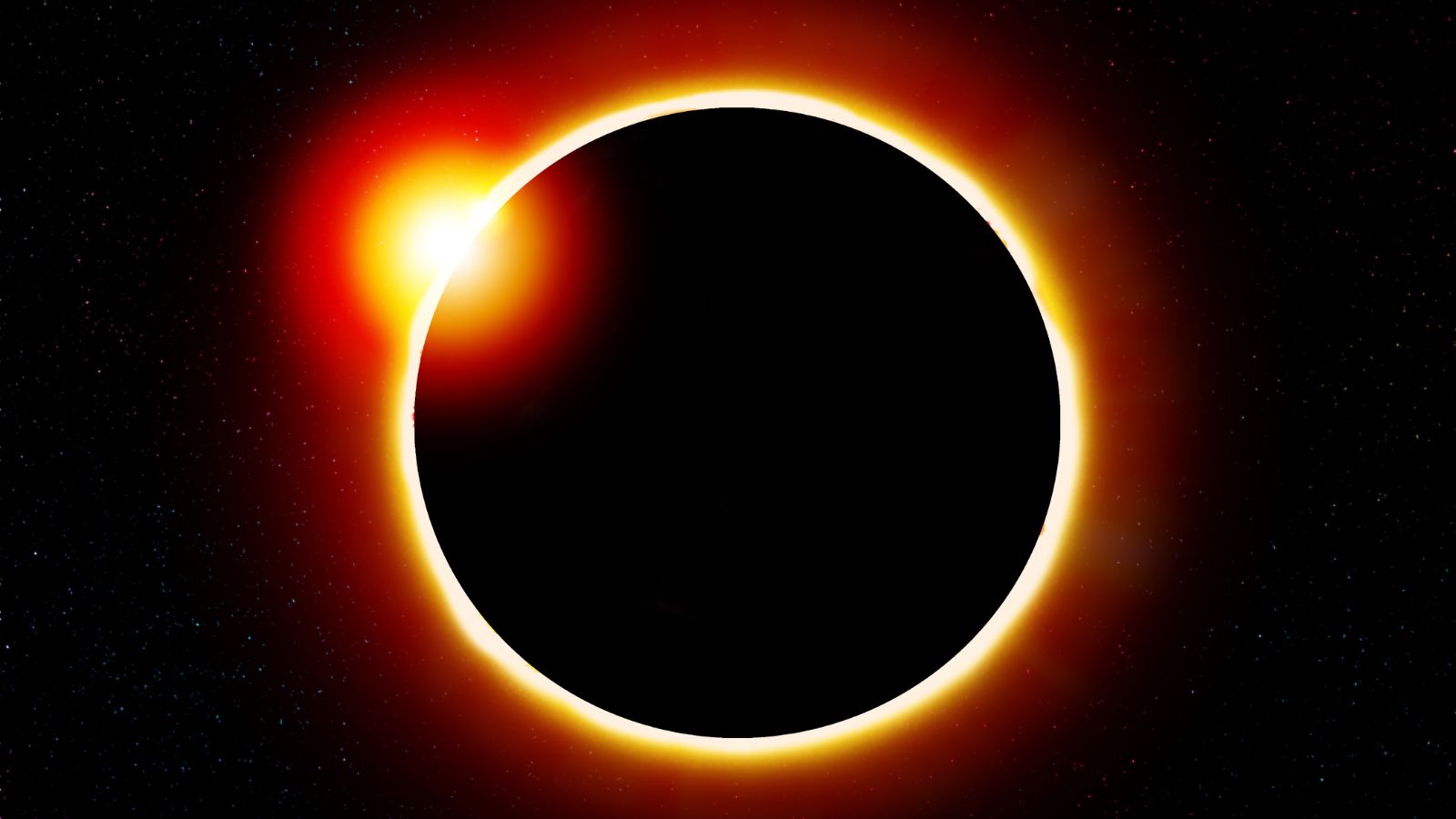
As the world gears up for a rare astronomical spectacle on August 12, 2026, here is the truth about visibility and what space agencies are saying.
The calendar for August 2026 is already marked by astronomers and enthusiasts alike, as NASA confirms a rare total solar eclipse will sweep across parts of the Northern Hemisphere. A total solar eclipse occurs when the Moon perfectly aligns between the Earth and the Sun, casting a shadow that briefly turns day into twilight. For those fortunate enough to be in the path of totality, the Sun’s corona—its elusive outer atmosphere—will become visible to the naked eye.
The path of the eclipse
While the event is generating global buzz, it is important to temper expectations regarding its reach. The path of totality is quite specific, crossing through Greenland, Iceland, northern Russia, the Atlantic Ocean, Spain, and a small corner of Portugal. The spectacle begins in Russia around midday before moving eastward. For observers in these regions, the Moon will block the Sun for less than two and a half minutes, creating a brief, dark window of scientific wonder.
Will it be visible in India?
For readers asking if this total solar eclipse will be visible from India, the answer is no. Given the orbital mechanics and the specific geographic track defined by NASA, the shadow of the Moon will not fall over any part of the Indian subcontinent. While enthusiasts in the country might look for local updates, the geographical alignment simply does not favor observers in this region. If you are planning a trip to witness the corona, you will need to be positioned within the designated path in the North Atlantic or parts of Europe.
The bigger picture: Why this matters
Celestial events serve as a potent reminder of our shared place in the cosmos. Beyond the momentary thrill of a darkened sky, these occurrences provide invaluable data for space scientists to study the Sun’s corona, which is otherwise obscured by the Sun's intense glare. It is a moment of global synchronization, where curiosity drives millions to look upward. However, as the date approaches, it is vital to filter out misinformation. Claims circulating online—such as the bizarre theory that Earth will lose gravity for seven seconds—have been categorically dismissed by space agencies.
A note on safety
Whether you are traveling to Spain or Iceland to witness the eclipse, or perhaps watching via a livestream from the comfort of your home, safety remains paramount. Looking directly at the Sun, even during an eclipse, can cause permanent eye damage. Experts consistently stress the use of certified solar filters or proper eye protection. As we track this event, remember that nature’s grandest shows are best enjoyed with the right precautions and a healthy dose of scientific skepticism toward unverified viral claims.
Rohan Gupta covers the economy, markets and companies for PoliticalPedia.