TMC Minority Cell Secretary Ajmal Siddiqui Resigns, Blames Abhishek Banerjee for Party's Decline
TMC turmoil: Minority cell secy quits over Abhishek Banerjee's 'dictatorial attitude'
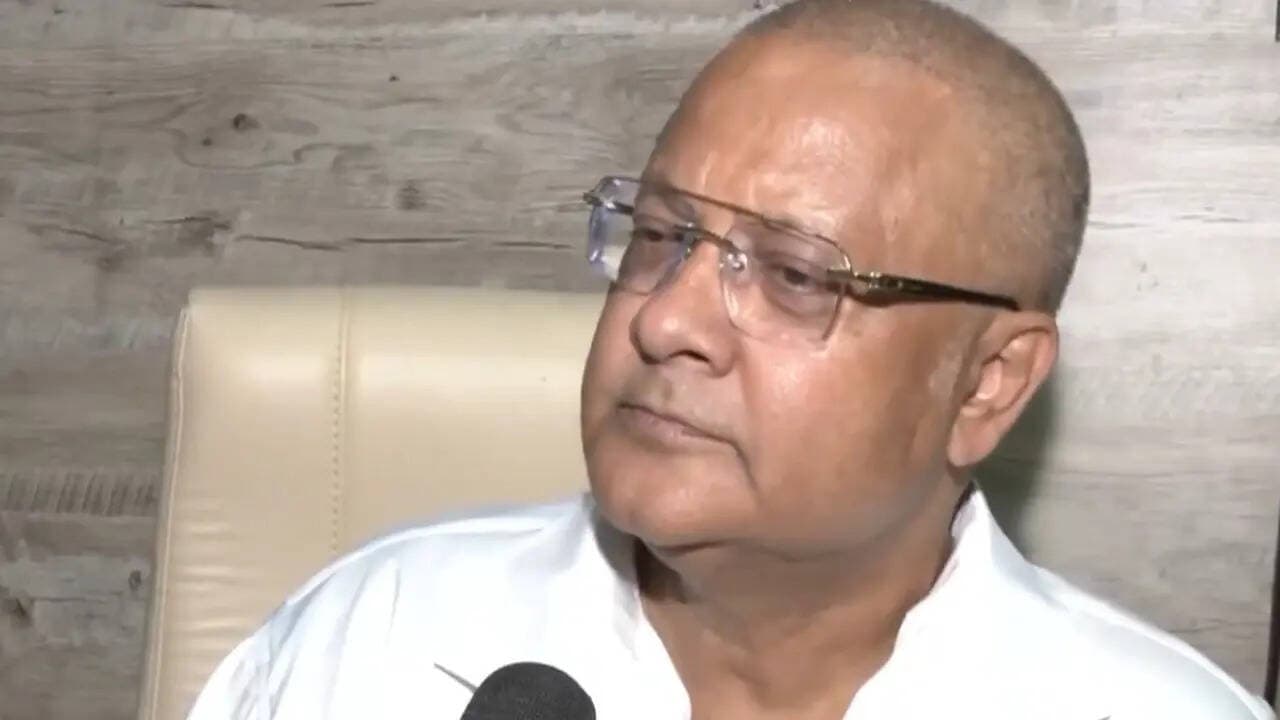
The resignation of a key office-bearer marks a fresh wave of internal dissent within the Trinamool Congress, as accusations of a "dictatorial" leadership style surface.
The Trinamool Congress (TMC) faced a fresh setback on Saturday after Ajmal Siddiqui, the state secretary of the party’s minority cell, stepped down from his post. Siddiqui’s departure was marked by a scathing critique of the organization’s current trajectory, as he openly blamed the party's leadership for what he termed a systemic collapse.
Siddiqui, who recently returned from his Hajj pilgrimage, stated that his decision to quit was finalized immediately after his arrival back in West Bengal. Speaking to the media, he alleged that the organization has become a shell of its former self, describing it as a "party in name only." His departure underscores a growing perception among some cadres that the party has moved away from grassroots work and into a cycle of institutional instability.
Allegations of Sycophancy and Centralized Power
At the heart of the controversy is Siddiqui’s pointed criticism of Abhishek Banerjee. He explicitly claimed that the party is "collapsing" solely because of the influence of the Diamond Harbour MP, characterizing the internal power structure as dictatorial. According to Siddiqui, the current environment within the TMC prioritizes sycophancy over genuine public service.
"Only those who have risen through sycophancy thrive there," Siddiqui noted, suggesting that the meritocracy once associated with the party’s rank-and-file has been supplanted by a culture of personal allegiance. He further alleged that the leadership’s approach has left little room for meaningful political contribution, rendering the party ineffective for the constituencies it claims to represent.
A Growing Crisis of Reputation
The timing of this resignation is particularly sensitive for the TMC, which has recently battled a string of scandals and negative headlines. Siddiqui did not mince words regarding the current state of the organization, claiming that the majority of its members are entangled in "unsavoury activities." He warned that the scandals currently in the public eye are merely the tip of the iceberg, hinting that more controversies involving party officials may soon come to light.
While political parties often face internal churn, the public nature of these grievances suggests a deepening rift within the TMC's minority wing. By linking the party’s disrepute directly to the leadership, Siddiqui has provided a rallying point for those within the organization who feel sidelined by the current power dynamics. As of now, the TMC leadership has yet to offer a formal rebuttal to the specific charges laid out by the former secretary, though the move is expected to stir further debate regarding the party's internal governance and its outreach to minority voters ahead of future political cycles.
The PoliticalPedia Editorial Desk brings verified, sourced political news and analysis from across India.