'They do it when it suits them': Jaishankar calls out the double standards of Western energy policy
'They do it when it suits them': Jaishankar on US tariffs and shifting stance on Russian oil
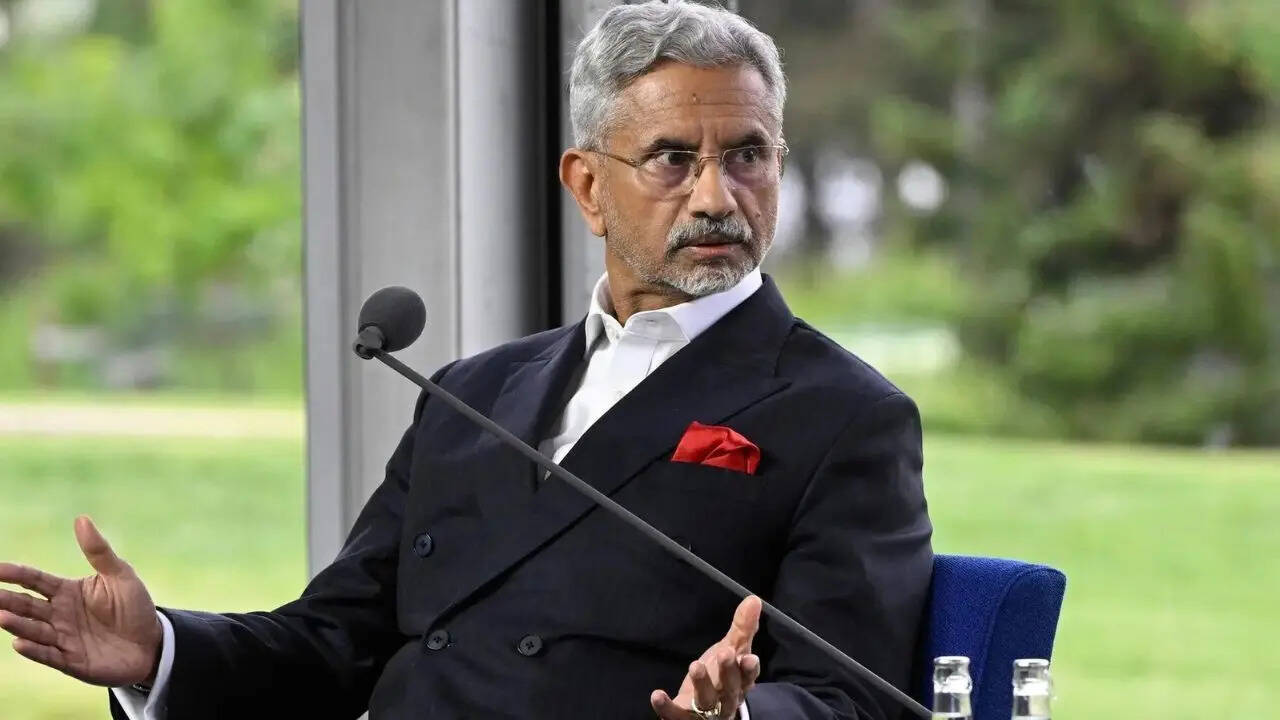
External Affairs Minister S Jaishankar has hit back at the shifting stance of the West regarding Russian oil, pointing to a cycle of demands, sanctions, and reversals driven solely by self-interest.
The pragmatism of India’s foreign policy is once again under the spotlight. During the Kultaranta Talks in Finland, External Affairs Minister S Jaishankar didn't hold back, characterising the West's approach to global energy markets as one dictated by convenience rather than principle. When questioned about India’s continued purchase of Russian crude, Jaishankar was blunt: Western nations, including the US, adjust their position on tariffs and sanctions whenever it suits them, disregarding the stability they once urged other nations to protect.
The logic of availability
The minister laid out the context for New Delhi’s energy strategy, noting that India was not a major buyer of Russian oil before the conflict in Ukraine began in 2022. As the conflict disrupted global supply chains and European nations pivoted away from Russian energy to claim supplies from the Middle East—India’s traditional source—New Delhi found itself in a corner. "Circumstances pushed us in a certain direction," Jaishankar said, explaining that India’s decisions are guided by market affordability and energy security rather than geopolitical posturing.
'The US specifically asked us'
Perhaps the most telling part of Jaishankar’s address was his recollection of the initial months of the Ukraine war. He pointed out that Washington had, at the time, specifically asked India to maintain steady purchases of Russian oil to prevent global prices from spiralling out of control. The irony, as the minister noted, is that India was later subjected to the threat of tariffs for the very same actions that were encouraged to keep global energy markets stable. The subsequent lifting of certain sanctions only further underscores his point that there is no fixed, moral framework guiding these trade restrictions.
The bigger picture: Why it matters
This friction highlights a deepening disconnect between the West’s strategic expectations and the economic realities of the Global South. For New Delhi, the messaging is clear: India will prioritize its own citizens' needs over the shifting whims of international sanctions regimes. As Western powers continue to balance their own economic interests with their foreign policy goals, India’s insistence on "strategic autonomy" is moving from a diplomatic talking point to a firm operational mandate. Whether it is through navigating US tariff threats or managing ties with Moscow, the government is signalling that it knows the "game" being played, and it refuses to be the variable that suffers when the rules change.
Rohan Gupta covers the economy, markets and companies for PoliticalPedia.