Moscow Eyes $100 Billion Trade Milestone as Kremlin Reaffirms Strategic Ties with New Delhi
Russia and India working on increasing bilateral trade volumes: Kremlin spokesman
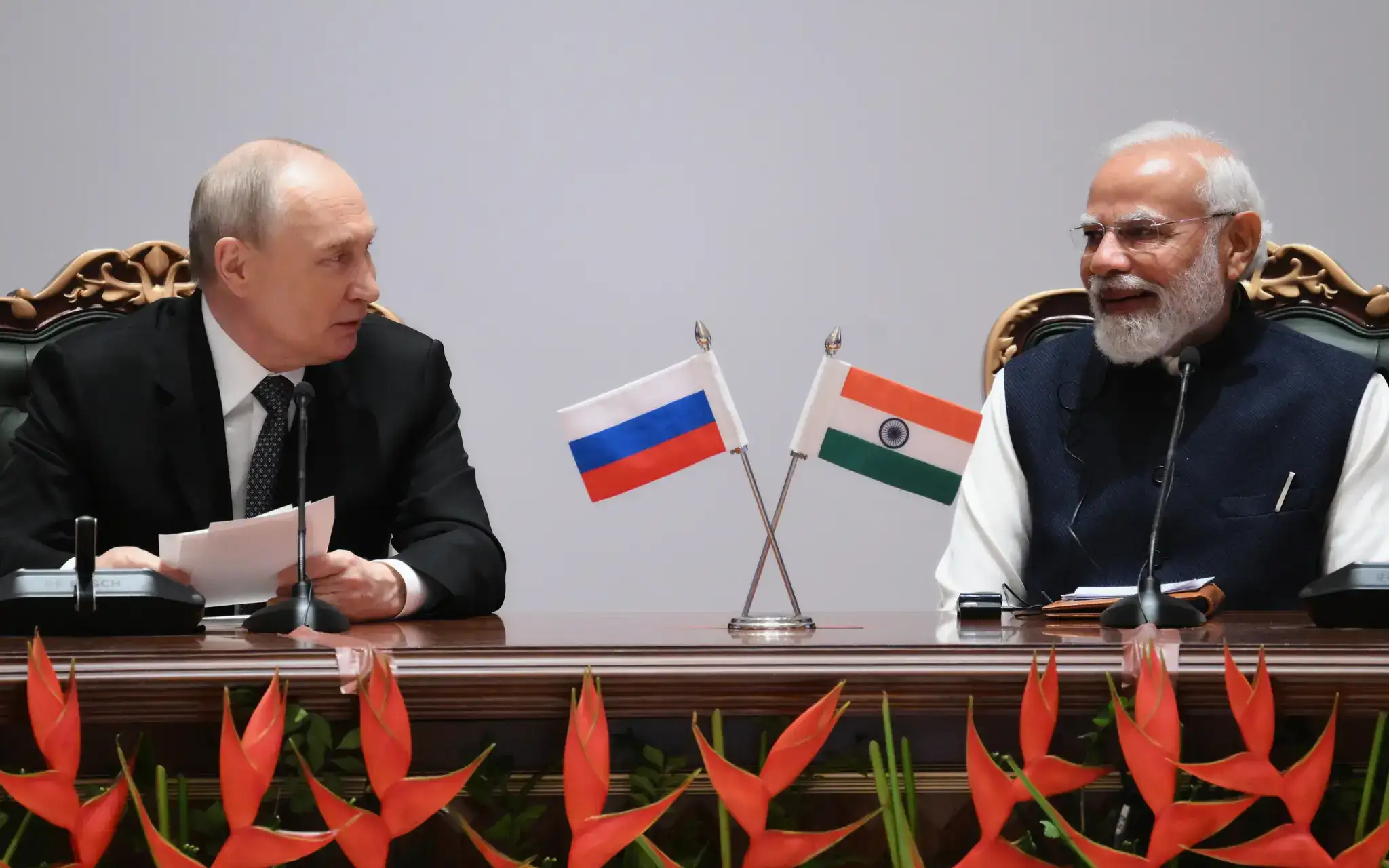
Kremlin spokesperson Dmitry Peskov says Russia and India are actively working to scale bilateral commerce despite external pressures and shifting global alliances.
The rhetoric emanating from Moscow this week is clear: Russia views its "privileged partnership" with India as a cornerstone of its foreign policy, even as Western capitals maintain a close watch on the relationship. Speaking on the sidelines of the 12th Primakov Readings in Moscow, Kremlin spokesperson Dmitry Peskov underscored that both nations are locked in a concerted effort to expand economic ties. With the current trade volume hovering around $60 billion, the goal set during President Vladimir Putin’s visit to India last December remains ambitious—a target of $100 billion by 2030.
Peskov’s comments, delivered at a prominent academic forum, painted a picture of a relationship that has deepened significantly over the last quarter-century. He was particularly effusive regarding India’s domestic trajectory, calling the nation a "fast-growing economy" brimming with potential. According to the Kremlin, this progress is not just a domestic success story for Prime Minister Narendra Modi’s administration, but a vital opportunity for Moscow to integrate further into the Indian market.
Navigating Global Pressures
The timing of these statements is not incidental. The India-Russia energy alliance has faced intense scrutiny, particularly following reports of renewed pressure from the US regarding Russian oil imports. While some international observers have speculated about a potential pivot in New Delhi’s stance, the Kremlin’s messaging suggests a different reality. Moscow has explicitly noted that it has heard no official confirmation from India regarding a cessation of oil purchases, framing the ongoing cooperation as a resilient partnership that remains indifferent to the "obstacles" created by third countries.
Behind the scenes, the mechanics of this trade go beyond mere commodities. Both countries are working to boost India’s exports to Russia, aiming to balance a trade ledger that has tilted heavily in Moscow's favor since the conflict in Ukraine began. As officials prepare for future high-level meetings, the focus is shifting toward diversifying the basket of goods and securing long-term defense and energy agreements that can withstand global volatility.
The Bigger Picture: A Strategic Hedge
Why does this matter? For New Delhi, the relationship with Moscow acts as a critical strategic hedge in a multipolar world. India’s ability to maintain a transactional, yet "privileged" partnership with Russia while navigating a deepening relationship with the West is a delicate diplomatic tightrope. By publicly committing to the $100 billion target, the Kremlin is signaling that it intends to remain a primary economic anchor for India, regardless of how geopolitical winds blow in Washington or Brussels.
Ultimately, the partnership is moving into a phase of institutionalization. Joint participation in international organizations and a shared desire for a non-Western-centric global order have brought the two nations closer than they have been in years. For the average observer, this means that despite the noise of global sanctions and diplomatic signaling, the ground-level economic integration between the two countries is only expected to intensify in the coming years.
Arjun Mehta reports on government, policy and Parliament for PoliticalPedia, in English and Hindi.