The soiled dhoti that changed Tamil cinema: How Bharathiraja defied the star system
How Bharathiraja in ‘soiled dhoti-shirt’ convinced Kamal Haasan to star in 16 Vayathinile
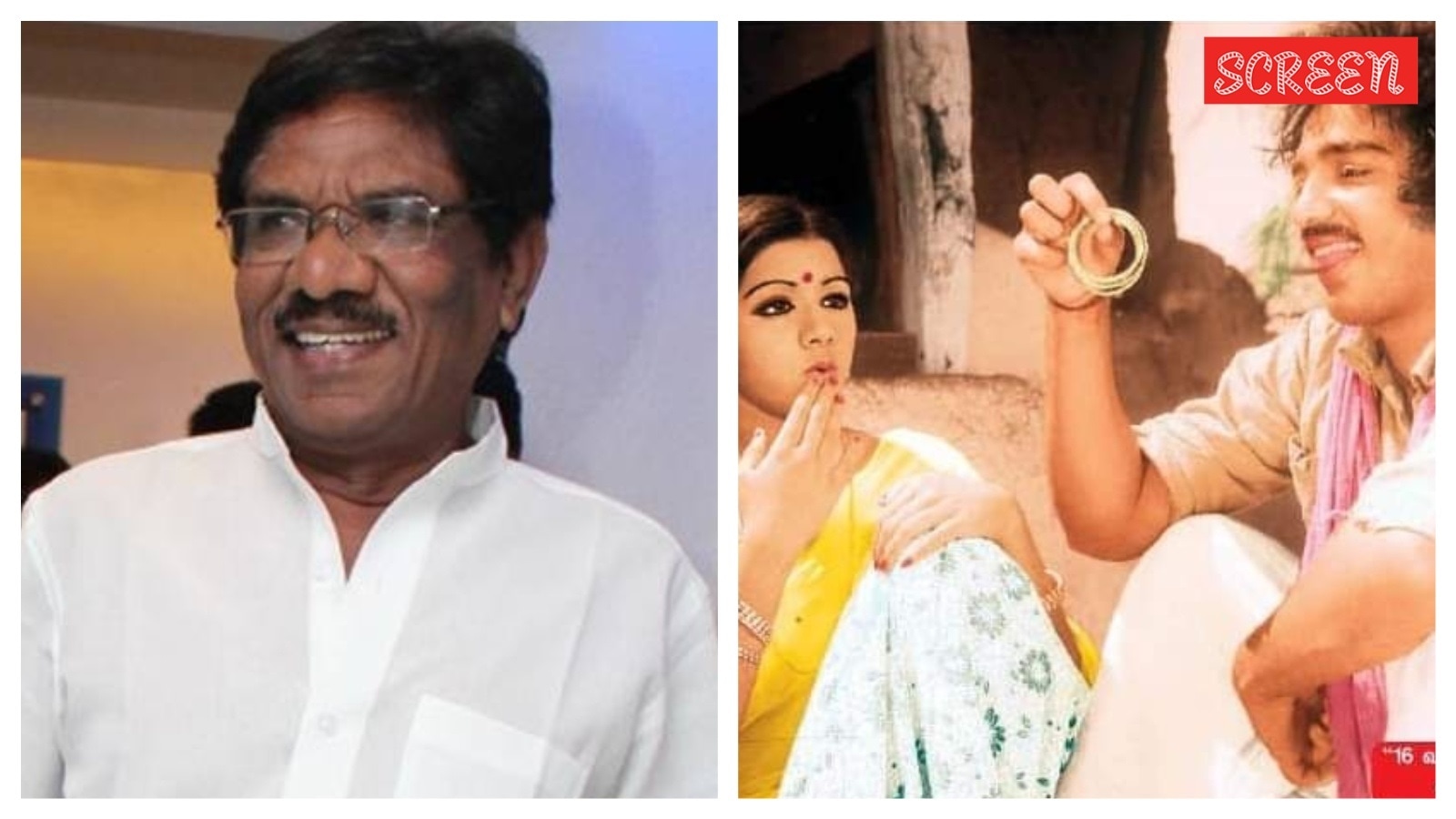
The legendary filmmaker’s passing marks the end of an era that redefined the hero, starting with an unlikely pitch to a young Kamal Haasan.
The image remains etched in the folklore of Tamil cinema: a young man walks into an office, his dhoti and shirt visibly soiled, clutching a script that would eventually alter the landscape of Indian film. When Bharathiraja arrived to narrate 16 Vayathinile to a rising Kamal Haasan in 1977, the aesthetic of the "hero" was still firmly rooted in the polished, doll-like perfection of the era's established stars. Kamal Haasan, already a name to reckon with, might have dismissed the unkempt visitor based on appearances alone. Instead, he listened.
That conversation birthed a cult classic. 16 Vayathinile did more than just launch a directorial career; it shattered the rigid conventions of what a mainstream film could look like. To pull off the gritty, rural realism he envisioned, Bharathiraja required total commitment. He convinced a young Kamal, a budding Rajinikanth, and a 14-year-old Sridevi to step far outside their comfort zones.
The sacrifice behind the screen
The production was far from a vanity project for its stars. Both Kamal Haasan and Rajinikanth famously took massive pay cuts to ensure the film reached the screen. For Sridevi, the transformation was equally stark; she agreed to strip away the artifice of makeup to play a character that felt raw and tethered to the soil.
For Kamal, the experience was a lesson in judging talent over optics. He later reflected that had he turned the man in the dirty clothes away, he would have missed out on one of the most defining performances of his career. It was a de-glamourised role that challenged the industry’s obsession with handsome, polished leads like Gemini Ganesan or AVM Rajan.
Why it matters: The end of the ‘doll-face’ era
Bharathiraja’s influence extended well beyond his debut. Over a career spanning four decades, he proved that a filmmaker’s "genius" lay in his ability to subvert expectations. By forcing his leads to shed their star personas, he pioneered a shift toward character-driven narratives in Tamil cinema. His passing at 84—following a career that stretched from his 1977 debut to his 2023 work in the Modern Love Chennai anthology—serves as a reminder of the power of conviction.
The pattern is clear: the most enduring pieces of cinema often begin with a refusal to follow the status quo. Bharathiraja didn’t just direct actors; he dismantled the prevailing star system by making the rural, the rugged, and the "dirty" feel authentic. It is a legacy that ensures that the man in the soiled dhoti remains a titan of Indian storytelling.
Arjun Mehta reports on government, policy and Parliament for PoliticalPedia, in English and Hindi.