The Silicon Curtain: Why Sridhar Vembu Says Globalisation Is Dead
'Globalisation Is Dead': Zoho's Sridhar Vembu Issues 'Wake-Up Call' After Anthropic Bans Mythos For Foreigners
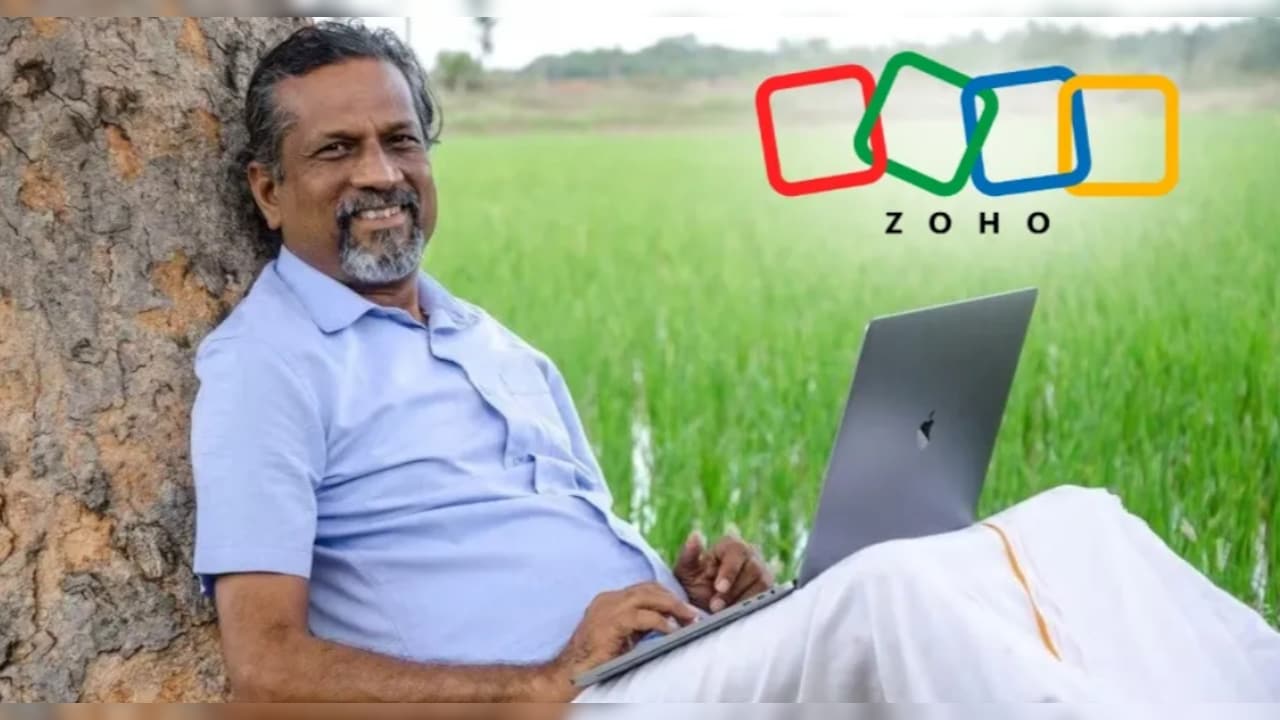
Zoho CEO’s sharp warning follows US restrictions on Anthropic’s latest AI tools, sparking a fresh debate on digital sovereignty.
The promise of a borderless digital world has just hit a concrete wall. When news broke that Anthropic had restricted access to its latest "Mythos" and "Fable" models—limiting them exclusively to users in the United States—it wasn't just a technical glitch; it was a geopolitical signal. For Sridhar Vembu, the CEO of Zoho, this move is the final nail in the coffin for the era of unbridled technological integration. He has called this a "wake-up call" for India, arguing that "globalisation is dead" when the tools that define modern productivity can be yanked away based on a user’s passport.
The restriction, which effectively bans Indians and all other foreigners from accessing these cutting-edge AI capabilities, has rekindled the debate over India’s reliance on foreign tech stacks. For years, the global tech ecosystem operated on the assumption that innovation would be democratised through the cloud. But as high-end AI becomes a matter of national security and strategic advantage, the US government’s stance suggests that the most powerful algorithms will remain behind closed borders.
The Sovereign Tech Dilemma
Vembu’s critique is rooted in a pragmatic concern for "Bharat." If Indian enterprises and developers build their future on foundations that can be restricted overnight, the country remains perpetually vulnerable to the policy shifts of Washington. This isn't merely about access to a chatbot; it is about the long-term viability of an economy that is increasingly digitised. If the "plumbing" of the global digital economy is subject to sudden, selective exclusion, the case for self-reliance becomes not just a slogan, but a necessity for survival.
Industry observers note that this shift marks a pivot from the "flat world" theories of the early 2000s to a more fragmented, neo-mercantilist reality. Access to compute power and advanced AI is rapidly becoming the new "oil," and nations that do not own their own infrastructure are finding themselves at the mercy of those who do.
Why it Matters: The Bigger Picture
This incident serves as a stark reminder that the digital age is undergoing a fundamental re-ordering. We are moving away from a globalised internet toward a series of "splinternets," where technological capability is tied to geography and geopolitical alignment. For India, the challenge is clear: the country must accelerate its domestic AI research and infrastructure if it wants to avoid being a second-class citizen in the global digital order.
Vembu’s "wake-up call" after Anthropic bans Mythos for foreigners is likely to resonate across corporate boardrooms in Bengaluru and Hyderabad. The reliance on Silicon Valley's giants, while convenient and cost-effective in the short term, now carries a hidden risk premium. As the barriers rise, the push for "Atmanirbharta" (self-reliance) in critical technology sectors will likely transition from a policy goal to a core business strategy.
Kabir Sharma writes on culture, technology and everyday life for PoliticalPedia.