From Lahore’s Skies to Make-in-India: The New Era of Precision Loitering Munitions
India and European defence giant to build type of weapon once knocked out Lahore's air defence
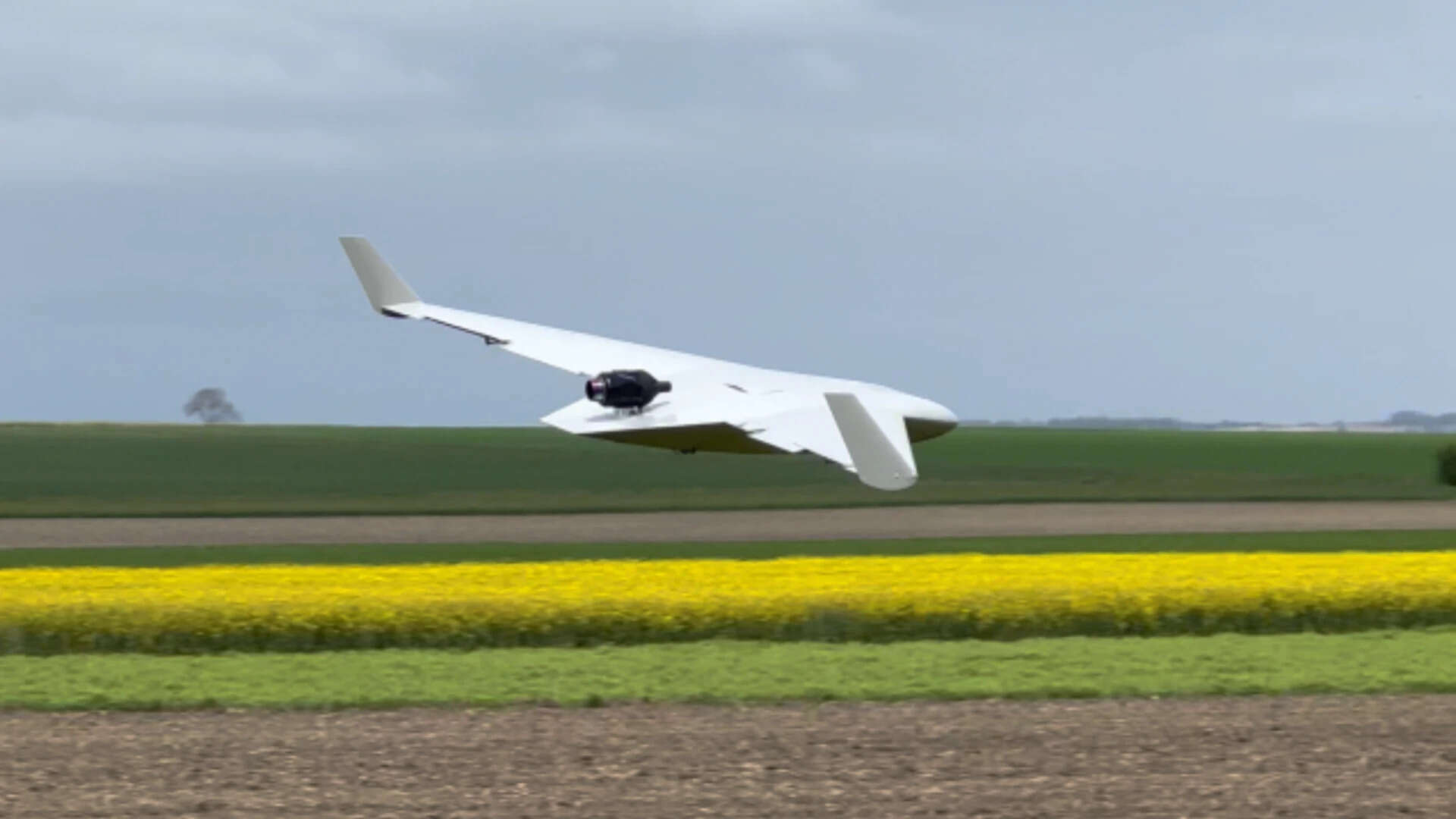
India’s shift toward indigenous drone warfare gathers pace as a strategic partnership with a European giant brings advanced kamikaze technology to local production lines.
The ghost of Operation Sindoor still looms large in military circles. When a Harpy drone successfully incapacitated a high-value HQ-9 air defence system at Lahore’s defunct Walton Airport, it signaled a definitive shift in how the Indian armed forces view the modern battlefield. That strike wasn’t just a tactical victory; it was a demonstration of the lethal potential of loitering munitions—the "suicide drones" that can hover over a target before diving in for the kill.
Learning from the efficacy of these systems during the kinetic phase of the conflict, which concluded on May 10 last year, New Delhi has been aggressively scaling up its arsenal. The latest development is a significant industrial pivot: Indian defence firm SMPP has signed a landmark agreement with European consortium KNDS to manufacture their advanced loitering munitions right here in India.
The Tech Under the Hood
This collaboration brings a suite of sophisticated platforms to the Indian theatre. The KNDS lineup, including the Veloce and Rodeur systems, is designed for the kind of contested, high-stakes environments where GPS signals are unreliable. These systems rely on hybrid GNSS-INS guidance and "fire-and-forget" capabilities, allowing operators to neutralize threats with surgical precision.
The range of these systems is equally impressive. The KNDS Mataris family, which features the MX-10 and MT10 models, is built for seamless integration into artillery units and armoured vehicles. For the Indian Army, this means the ability to strike deep behind enemy lines or within dense urban pockets is no longer just a theoretical capability but a deployable reality.
Indigenous Muscle
While the European partnership bolsters India's technological edge, the local ecosystem is already holding its own. SMPP has already moved from the drawing board to the barracks, having recently delivered 106 of its proprietary Agniveg systems to the Indian Army.
The Agniveg represents a maturing domestic defence industry. With an operational range reaching nearly 180 km and a demonstrated ability to perform in heavily-jammed electronic warfare environments, these systems provide a robust backbone for the country’s tactical autonomy. The convergence of European design expertise and Indian manufacturing scale suggests a long-term plan to move away from expensive, intermittent procurement toward a sustained, self-reliant supply chain.
Why it Matters: The Bigger Picture
This deal is more than just a procurement contract; it is a strategic acknowledgment that the future of sub-continental deterrence lies in low-cost, high-precision autonomous systems. By integrating these munitions into standard artillery and urban warfare roles, India is effectively lowering the barrier to entry for high-impact strikes.
For regional security, the message is clear: India is rapidly narrowing the gap in unmanned aerial warfare. As these technologies become more deeply embedded in the Indian armed forces' structure, the ability to counter sophisticated air defence grids—much like the one that famously fell at Walton Airport—will become a standard baseline for any potential conflict. The shift toward hybrid systems ensures that even in the face of intense electronic countermeasures, the Indian military retains the reach and the resolution to hit its mark.
Ananya Iyer covers global affairs with an Indian lens for PoliticalPedia.