The Silent Fleet: How Autonomous Systems are Reshaping Indian Naval Warfare
Unmanned autonomous systems: How naval warfare is poised for a major transformation
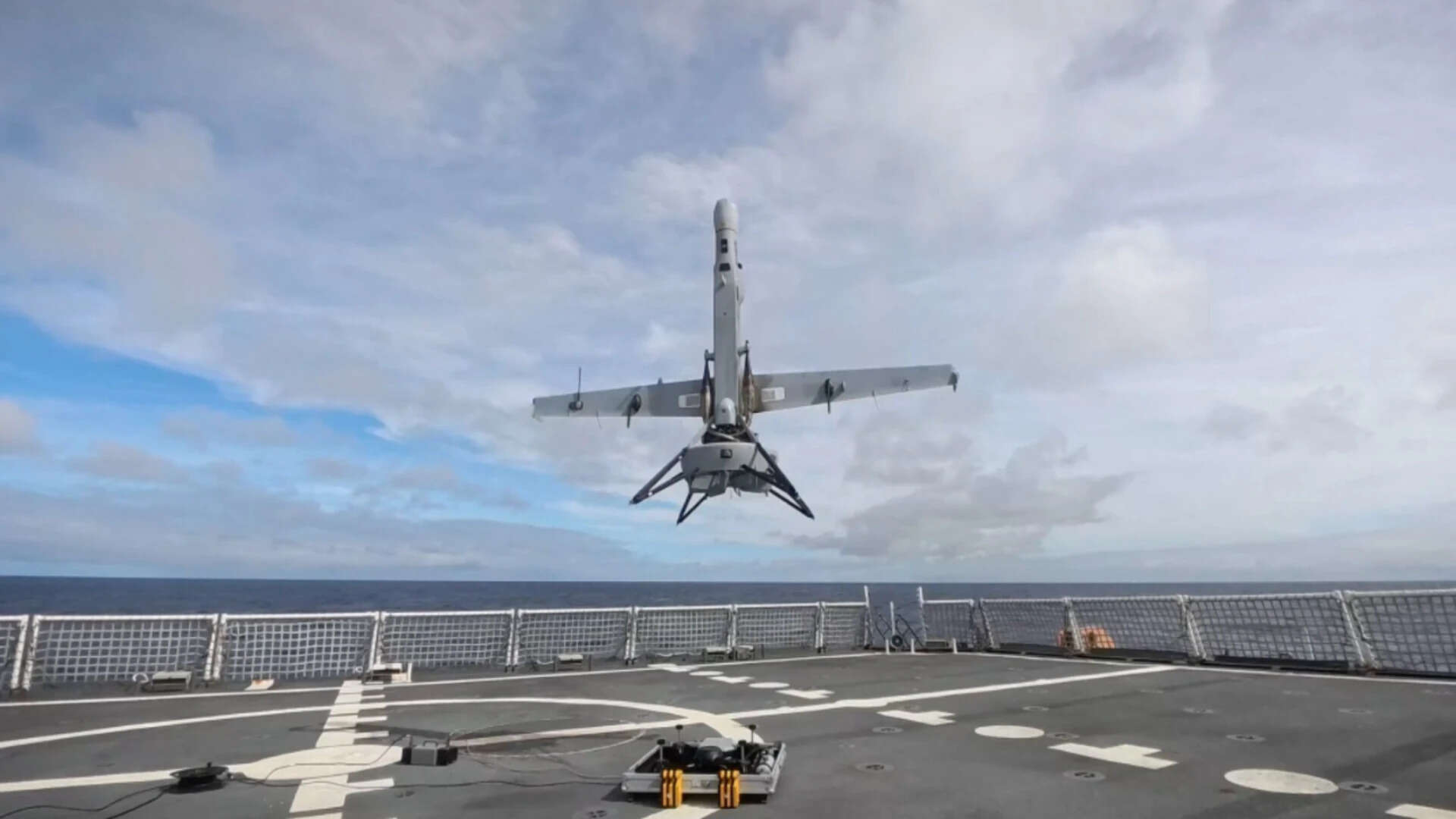
The Indian Navy is accelerating its shift toward unmanned maritime operations, signaling a decisive move to secure coastal borders and project power through high-tech aerial and underwater assets.
The sight of a warship’s flight deck has long been dominated by the heavy silhouette of a helicopter. That is changing. As the Indian Navy looks to bolster its maritime dominance, it is pivoting toward a future where "unmanned" is the default for surveillance and strike missions. A flurry of recent administrative moves, including a significant Rs 52,000 crore procurement plan approved by the Defence Acquisition Council, underscores a clear intent: the service is no longer just experimenting with drones; it is integrating them into the very backbone of its war-fighting capabilities.
The primary focus is the Naval Shipborne Unmanned Aerial System (NSUAS). The challenge here is physical—launching and recovering drones from a deck that is pitching and rolling in rough seas is a significant engineering hurdle. The navy is moving toward runway-independent systems that can operate in these high-stress environments. This push is complemented by a recent Request for Information (RFI) for tactical multi-copter surveillance drones. These systems are being designed for 24/7 watch over naval bases, packing electro-optical and infrared sensors that can peer through the gloom of night or challenging coastal weather.
Indigenisation and the Tech Shift
The shift to autonomous systems is also a win for domestic manufacturers. The JSW-built V-Bat, a runway-independent drone already being inducted by the Army, has been tested for shipboard deployment. Using an indigenous platform allows the navy to bypass the supply chain fragility that often plagues imported defence gear. By relying on locally assembled systems, the force ensures that software updates, repairs, and mission-specific modifications are handled within Indian borders, a critical necessity when operating in contested maritime zones.
Beneath the surface, the transformation is equally profound. The DRDO’s Naval Science & Technological Laboratory (NSTL) is currently deep in development on a high-endurance autonomous underwater vehicle. While still in the testing phase, the project signals that the navy is preparing for a future where anti-submarine warfare and mine detection are managed by machines rather than just manned submarines. These silent sentinels could eventually patrol vast swathes of the Indian Ocean, acting as a force multiplier that keeps human crews out of the most dangerous, high-risk environments.
Why it matters
The broader trend is clear: we are entering an era of "manned-unmanned teaming," where human decision-makers at the command center rely on autonomous nodes to process data and execute tactical maneuvers. Globally, from the UK’s efforts to shield against undersea threats to China’s expanding drone-carrier capabilities, maritime powers are racing to build these systems. For India, this isn't just about modernization; it is about maintaining a presence in the Indian Ocean against an increasingly crowded and automated strategic environment.
The pattern here is unmistakable. By moving away from traditional, resource-heavy platforms toward modular, autonomous systems, the Indian defence establishment is attempting to bridge the gap between its current fleet size and the sheer scale of the territorial waters it must protect. As these systems move from RFI stages to active service, the composition of the fleet will likely look very different by the end of the decade. The future of Indian naval warfare will be defined less by the size of its crew and more by the intelligence and autonomy of its machines.
Arjun Mehta reports on government, policy and Parliament for PoliticalPedia, in English and Hindi.