The Signature Shadow: Abhishek Banerjee’s CID Appearance and the TMC’s Internal Tightrope
Abhishek Banerjee Appears Before CID In TMC Signature Forgery Case Linked To MLAs | News18
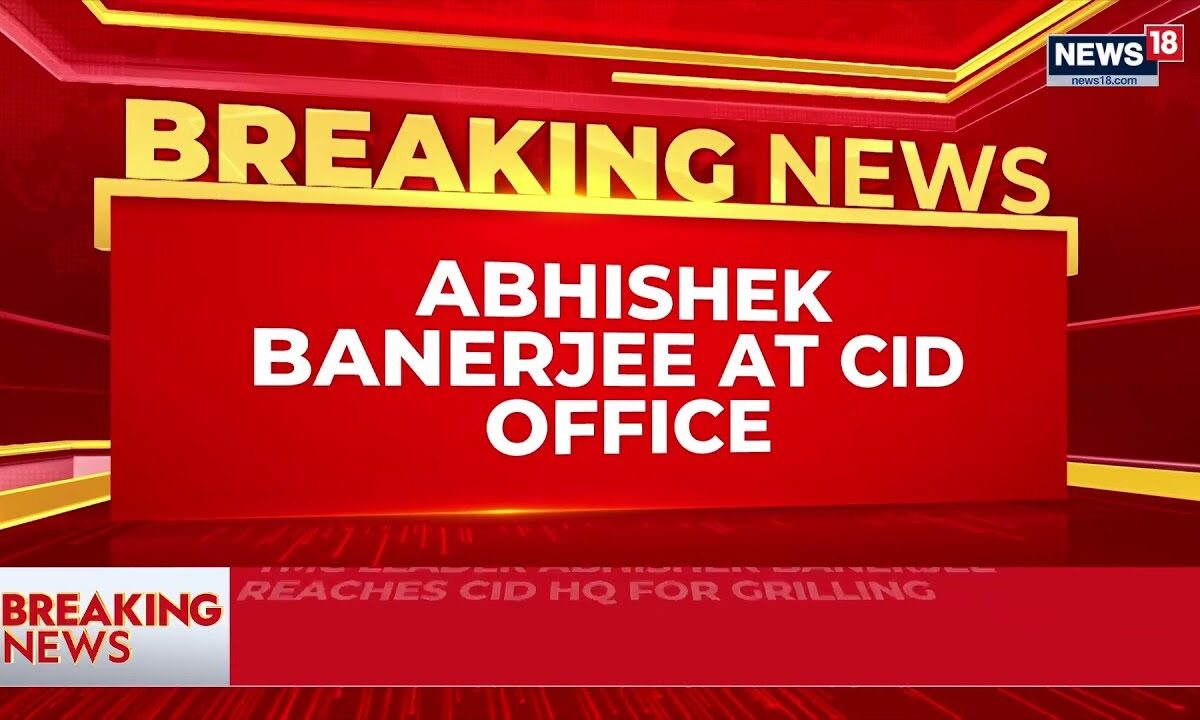
Trinamool Congress leader Abhishek Banerjee complied with a court directive to join the CID investigation, even as the party grapples with deepening internal rifts.
The glass doors of the CID headquarters in Kolkata saw a high-profile visitor this week as Trinamool Congress (TMC) leader Abhishek Banerjee finally arrived for questioning. His appearance before the CID in the signature forgery case linked to two MLAs marks a pivotal moment in a probe that has dogged the party for weeks. While the TMC leadership remains publicly defiant, the legal pressure has been mounting, with Banerjee appearing only after a clear directive from the Calcutta High Court.
For weeks, the investigation into the alleged forgery of signatures—specifically regarding the selection of the Leader of the Opposition—has kept the state’s political corridors buzzing. Investigators have been meticulously examining documents and trying to piece together how these papers were signed and submitted. For the TMC, this is more than just a procedural hurdle; it is a point of acute legal vulnerability that has drawn national attention to the party's internal governance.
Legal Protection Amid the Probe
The journey to this questioning session was far from straightforward. After missing multiple summons, Banerjee found himself in the crosshairs of the Calcutta High Court. However, the judiciary also provided a critical buffer. While the court mandated his presence to ensure the investigation could proceed, it simultaneously granted him interim protection from arrest and coercive action. This legal shield has been the central point of relief for the party, preventing a potentially explosive political crisis from escalating into a direct confrontation between the TMC leadership and law enforcement.
The case has cast a long shadow, not just on the accused, but on the party's hierarchy. As the CID deepens its inquiry into how these documents were handled, the spotlight remains fixed on the mechanics of the forgery. Why were the signatures faked? Who stood to benefit from the deception? These are the questions investigators are now tasked with answering, moving beyond mere summons to actual witness interrogation.
Why it matters: The Bigger Picture
This development is symptomatic of a larger turbulence within the TMC. The friction isn't limited to courtrooms; it is manifesting in the party's ranks as well. Recent outbursts from senior leaders, including Kalyan Banerjee’s pointed ultimatum—a choice between himself and the party’s national general secretary—reveal a party struggling to reconcile its internal ambitions with mounting external pressures.
When a legal forgery case intersects with such visible, public dissent, it creates a "perfect storm." For the TMC, the CID investigation is a proxy for a deeper test of its organisational integrity. If the probe establishes a wider pattern of misconduct, the political cost could far exceed the immediate legal consequences. For now, the interim relief from the Calcutta High Court provides a temporary ceasefire, but the underlying tension—both legal and political—suggests that this is far from over.
Ananya Iyer covers global affairs with an Indian lens for PoliticalPedia.