The Screen Goes Dark: Why 'Satluj' Was Removed From ZEE5 Amid Security Concerns
Diljit Dosanjh’s Satluj Was Removed From ZEE5 Over ‘Security Concerns’, Says Govt Official
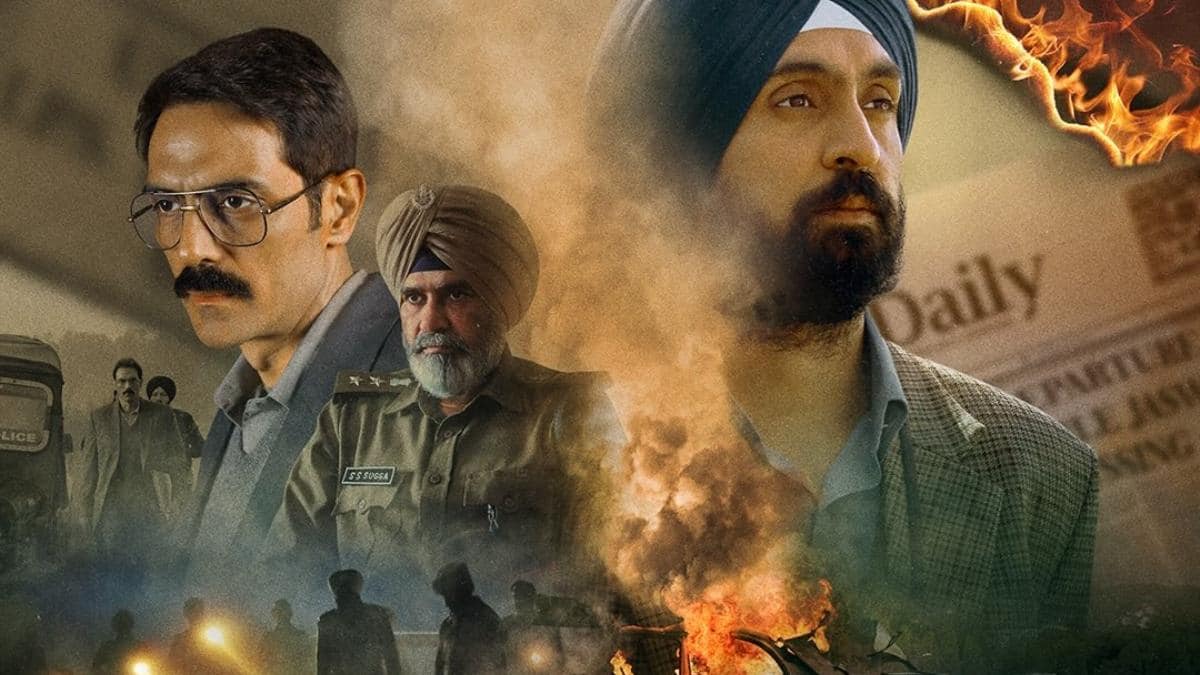
The government’s directive to pull the Diljit Dosanjh starrer from the streaming platform highlights the widening friction between creative freedom and regulatory oversight on OTT.
For fans waiting to see Diljit Dosanjh portray the life of human rights activist Jaswant Singh Khalra, the release of Satluj—formerly known as Panjab ’95—was supposed to be a quiet victory. Instead, the film’s digital run was cut short almost as soon as it began. Following a government directive, the film has been pulled from ZEE5, with officials citing “security concerns” as the primary catalyst for the sudden takedown.
The controversy stems from a long-standing impasse between the filmmakers and the Central Board of Film Certification (CBFC). Initially, the board had suggested 127 cuts to the project, a requirement the makers were reluctant to implement. By bypassing the traditional theatrical route and releasing the movie directly on OTT under the title Satluj, the team hoped to circumvent the censor board’s jurisdiction. However, the government’s intervention proves that the digital space is no longer a neutral zone.
The Regulatory Gap
While the CBFC governs what appears in theatres, streaming platforms operate under the IT Rules of 2021. Government officials have clarified that Satluj was removed because the platform failed to align with these intermediary guidelines. The core of the official argument is that by releasing the film without the suggested modifications, the platform ignored the potential for the content to be exploited by anti-India forces.
For the platform, the situation remains fluid. ZEE5 is reportedly exploring legal avenues to address the directive, though the film remains inaccessible to viewers for now. The silence from the filmmakers—who have previously expressed frustration over a lack of clear communication regarding the specific objections—only adds to the uncertainty surrounding the project’s future.
Why It Matters
This incident is a significant marker of how the state intends to manage digital content that touches upon sensitive historical narratives. While the film industry often views OTT platforms as a sanctuary for nuanced storytelling, the government’s move signals that “security” remains an overriding threshold that trumps platform autonomy. It essentially closes the loophole that creators believed existed between theatrical censorship and digital streaming.
Beyond the specific case of Satluj, this sets a precedent for how historical or politically charged content will be treated moving forward. When the state cites security to pull a film, it shifts the burden of compliance entirely onto the platforms, forcing them to balance their business interests against the risk of regulatory crackdowns. As the debate over censorship versus creative liberty intensifies, the erasure of Satluj serves as a stark reminder that the digital screen is governed by the same institutional scrutiny as any other medium.
Ananya Iyer covers global affairs with an Indian lens for PoliticalPedia.