The Science Behind Why Footballers Cut Their Socks at the FIFA World Cup
FIFA World Cup 2026: The Science Behind Why Footballers Cut Their Socks
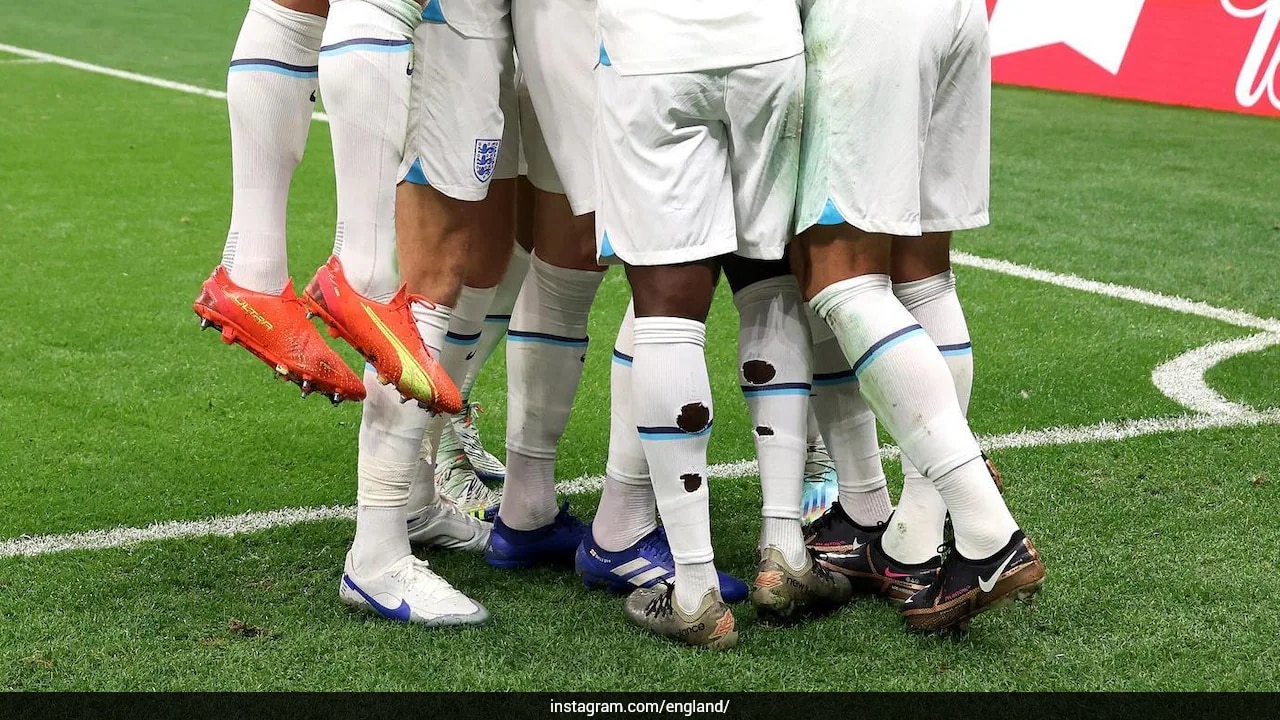
From Jude Bellingham to Leroy Sané, stars are taking scissors to their kit, but this fashion statement is actually a calculated move for peak physical performance.
If you have been tracking the FIFA World Cup, you might have noticed a recurring, rather strange sight: some of the world’s most elite players are taking the pitch with holes cut into the calves of their socks. While it might look like a simple case of wear and tear, this is a deliberate trend sweeping through the professional game. Far from being a fashion statement, these jagged openings serve a specific physiological purpose for athletes playing at the highest intensity.
The Science of Compression and Comfort
The primary reason behind this trend is pressure management. Professional football socks are designed to be tight, providing compression to support the muscles. However, for players with particularly large or muscular calves, this constant tension can become restrictive, potentially hindering blood circulation during a high-stakes ninety-minute match. By cutting holes in the back of the socks, players can alleviate this pressure, reducing muscle fatigue and the risk of cramping during the most demanding phases of the game.
Beyond circulation, there is a secondary benefit involving traction. Many professionals now wear specialized grip socks underneath their official team hosiery. These grip socks feature rubberized pads or non-slip technology designed to lock the foot in place inside the boot, preventing the dreaded sliding that causes blisters and loss of stability. The holes in the outer sock allow for a more natural integration between the skin, the grip layer, and the boot, ensuring that every change of direction is as precise as possible.
A Growing Trend in Modern Performance
This phenomenon has moved from a niche secret of the dressing room to a global standard. We are seeing it across multiple leagues and international tournaments, with experts suggesting it is simply the next evolution in sports marginal gains. It is a classic example of athletes prioritizing function over aesthetics; when you are sprinting across a pitch in the middle of a tournament, even the smallest reduction in physical discomfort can be the difference between reaching a ball or missing it.
The Bigger Picture
Why does this matter for the wider sporting ecosystem? It highlights how performance technology is no longer just about the boots or the kit materials provided by manufacturers. Instead, it reflects a shift toward personal customization. Players are increasingly taking ownership of their equipment to suit their unique anatomy. As tracking data becomes more sophisticated, we can expect to see more of these "hacks"—like ice vests in cycling or specialized collars in the women’s game—as teams chase every possible scientific advantage to keep their stars on the pitch and injury-free.
Rohan Gupta covers the economy, markets and companies for PoliticalPedia.