The 'Real Party' Playbook: Is Mamata Banerjee’s TMC Next in Line?
TMC के लिए भी 'हम ही असली पार्टी' वाला फॉर्मूला...LJP-NCP-शिवसेना की तर्ज पर छिनेगी ममता से तृणमूल
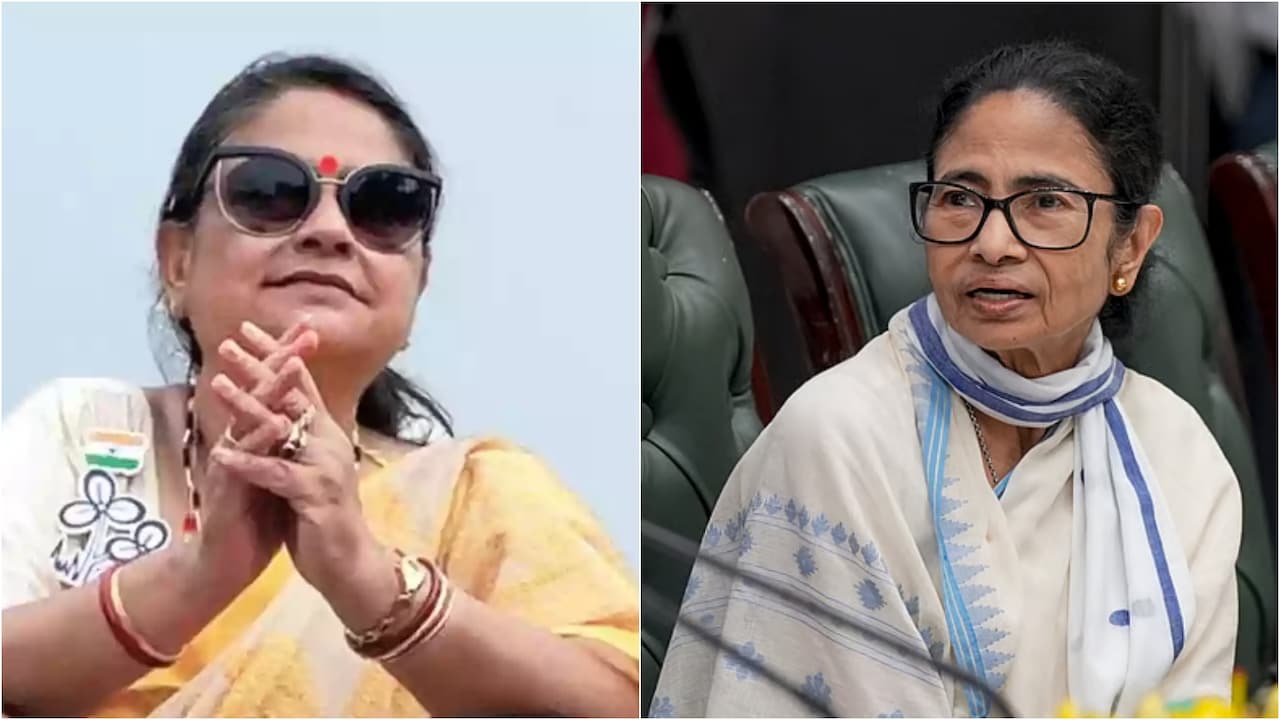
Recent political shifts suggest that the strategy used to redefine LJP, NCP, and Shiv Sena may now be looming over the Trinamool Congress.
The corridors of power in Delhi and Kolkata are buzzing with a familiar, unsettling question: can a political party be unmade from within? Over the past few years, we have watched a specific script unfold across India. It begins with internal friction, moves to a claim of legitimacy, and ends with the Election Commission recognizing a splinter group as the "real" party. From the LJP to the NCP and Shiv Sena, this pattern has become a defining feature of modern Indian politics. Now, whispers in the capital suggest that the Trinamool Congress (TMC) might be the next target for this "real party" formula.
The Anatomy of a Split
This strategy isn't just about changing leadership; it’s about institutional appropriation. When factions within a party peel away, they don't just form a new entity; they fight for the parent organization's name, symbol, and legacy. In the cases of the Shiv Sena and NCP, the legal and electoral battles became long-drawn-out dramas. Observers note that the TMC, with its intense central command structure under Mamata Banerjee, presents a unique challenge—and perhaps a unique vulnerability—should a significant internal rebellion align with external political pressure.
While public discourse often focuses on the chaotic floor tests and court hearings, the underlying mechanics are rooted in the numbers game within the legislature. The goal is to prove that the faction leaving has the mandate of the majority of elected representatives. If such a move were to gain traction within the TMC, it would not only threaten the party’s stability in West Bengal but also reshape the opposition dynamics at the national level. Figures like संजय राउत have previously been vocal about how these party splits represent a systematic erosion of political identity, a sentiment that resonates as analysts watch the TMC’s internal temperature.
Why It Matters: The Bigger Picture
This trend signifies a fundamental shift in how political survival is being redefined in the country. It is no longer enough to build a party from the grassroots; one must now be prepared to defend the very identity of that party against legal and legislative maneuvers. For the TMC, the implications are profound. If the "real party" formula is applied, it could dismantle years of political branding in a single stroke. This isn't just about one election or one state; it is about the consolidation of power through the strategic dismantling of traditional party structures.
Reports circulating via platforms like ndtv and other digital outlets have highlighted how these strategic realignments—often visible through an image or a press release—can alter the political map overnight. Whether this is a genuine internal shift or an externally driven maneuver, the pattern remains consistent. The coming months will be critical to see if the TMC can fortify its ranks or if it will be forced to grapple with the same existential crisis that has already reshaped the political landscape for so many others.
Kabir Sharma writes on culture, technology and everyday life for PoliticalPedia.