The Price Gap: Why Fuel Pumps Along India-Nepal Border in Uttar Pradesh Are Under Watch
Fuel Pumps Along India-Nepal Border In Uttar Pradesh Are Under Watch. Here's Why
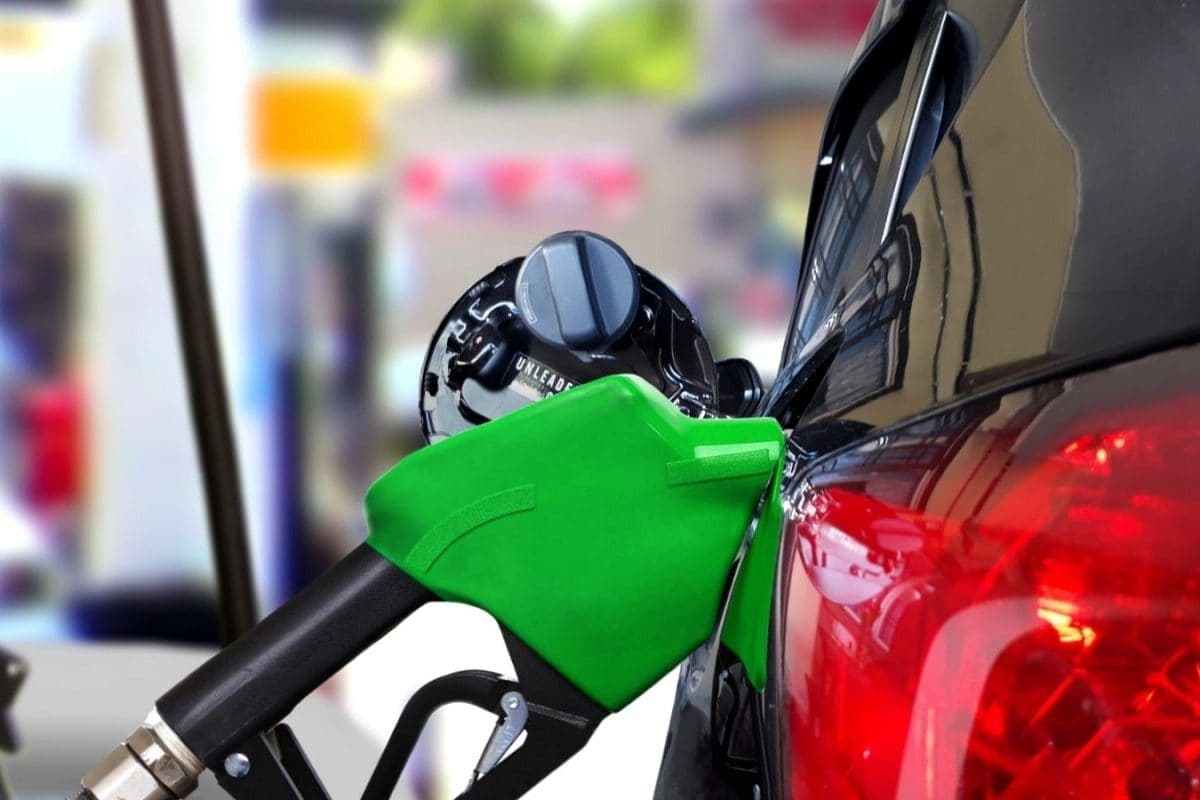
A staggering Rs 60 per litre price differential has turned local petrol stations into sensitive surveillance zones to prevent cross-border smuggling.
The open, porous stretch separating India and Nepal is witnessing a new kind of tension. While border security agencies usually focus on contraband or infiltration, their current priority is liquid gold. In several districts of Uttar Pradesh—including Maharajganj, Bahraich, and Siddharthnagar—the landscape around local fuel pumps has changed. Authorities are now keeping a close eye on retail outlets to stop a steady, clandestine bleed of petrol and diesel across the international line.
The driving force behind this phenomenon is simple arithmetic. Officials estimate that petrol in Nepal is roughly Rs 60 per litre more expensive than it is in India. This massive price gap has transformed the act of filling up a tank from a routine errand into a potentially lucrative venture. In response, a coordinated three-layer monitoring system has been activated, involving oil marketing companies, local district administrations, and the Sashastra Seema Bal (SSB).
Monitoring the Flow
The surveillance begins right at the nozzle. Station managers are now flagging suspicious refuelling patterns, such as vehicles returning for multiple top-ups within the same day. These digitised records are being cross-referenced to identify individuals who may be hoarding fuel under the guise of daily travel. The scrutiny extends from these pumps all the way to the frontier, where security personnel are tasked with intercepting vehicles carrying excess fuel meant for sale on the other side.
The surge in demand is palpable. Reports from across the state have already highlighted how quickly fuel markets can be destabilised by rumours of shortages or price fluctuations. Recent spikes in sales—some reaching 75-77%—have been driven by panic buying, leaving district officials wary of how easily supply chains can be disrupted when the public catches wind of supply imbalances.
The Bigger Picture
This is not merely a local law-and-order issue; it is a manifestation of the challenges inherent in competitive cross-border pricing. When essential commodities like petrol and diesel face such stark disparities, the incentives for informal trade become impossible to ignore. For the government, the task is to maintain price stability for local consumers without inadvertently subsidising the fuel needs of neighbouring regions.
Beyond the immediate crackdown, this trend underscores the vulnerability of border regions to global economic shifts. With the ongoing West Asia crisis putting upward pressure on international oil prices and impacting air travel costs, any local fluctuation in the price of fuel becomes a flashpoint for smuggling. The current monitoring in Uttar Pradesh serves as a necessary intervention to keep domestic supplies secure, though it highlights the thin line between legitimate commerce and illicit arbitrage in an interconnected border economy.
National Affairs Desk at PoliticalPedia covers government & policy for an Indian audience in English and Hindi.