Global supply shocks hit Indian kitchens: Why another LPG cylinder price hike was unavoidable
LPG price hike inevitable due to global crisis: Union Minister Pralhad Joshi
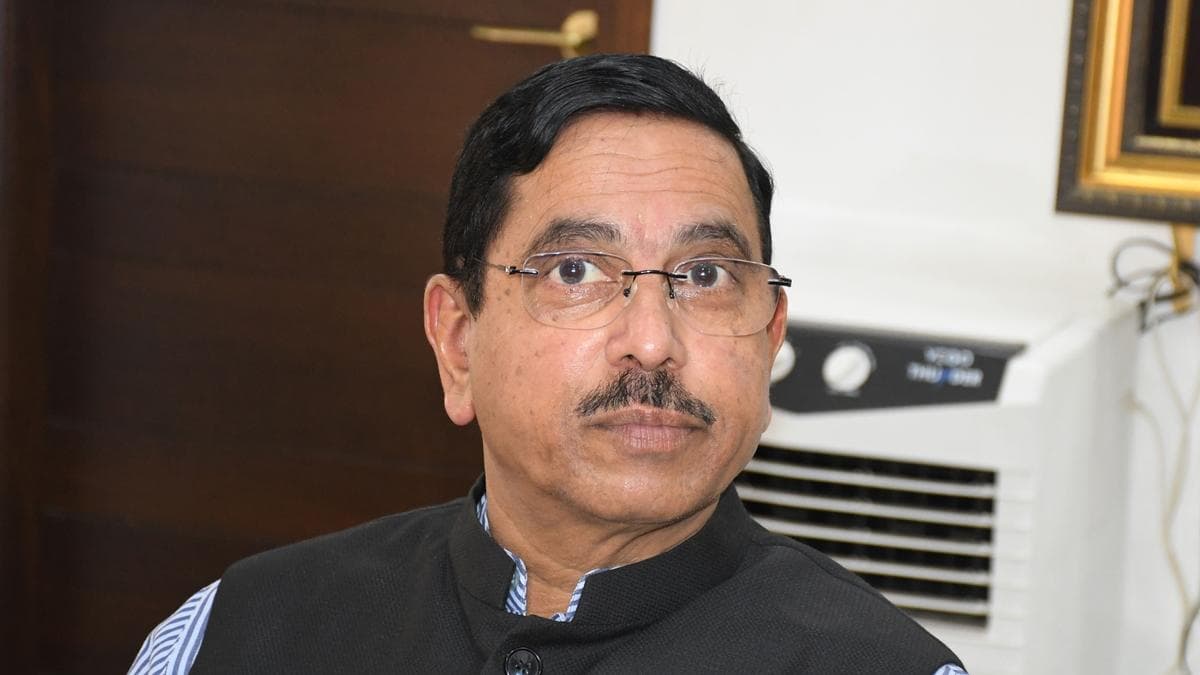
As the government defends a ₹29 jump in cooking gas costs, the ripple effects of West Asian instability continue to pinch household budgets across the country.
For the Indian homemaker balancing a monthly budget, the latest news on cooking gas offers little relief. With a fresh hike of ₹29 per cylinder—the second increase in just three months—the financial strain is becoming increasingly palpable. Domestic oil marketing companies, facing mounting pressure from volatile international markets, have been forced to pass on the costs, leaving the average household to absorb the difference at the doorstep.
Union Minister Pralhad Joshi, while acknowledging the public’s frustration, has framed the move as an unfortunate but essential response to external shocks. Speaking on the situation this Sunday, the Union Minister said the government is "very sad and sorry" about the price hike, yet insisted that the geopolitical climate leaves little room for manoeuvre. With the conflict in West Asia escalating since February, global energy supply chains have been effectively throttled, making the procurement of fuel a logistical and financial nightmare.
The geography of a price hike
The math behind the domestic cylinder is tied directly to the Saudi Contract Price, the global benchmark for LPG. When the Strait of Hormuz becomes a flashpoint for regional conflict, the ripple effect is felt immediately in Indian ports. According to government data, the cost of supplying a single domestic LPG cylinder has climbed to over ₹1,600. Before the current revision, state-run companies were reportedly bleeding to the tune of ₹703 per cylinder just to keep the subsidy burden from overwhelming the consumer.
Mr. Joshi pointed to the "transshipment crisis" as a primary driver of these elevated prices. Because current global supplies are limited, India is increasingly forced to source energy from distant regions. This isn't just about the base cost of gas; it is about the "long-haul" logistics. Insurance premiums have spiked, and the extended shipping routes—often adding 40 to 45 days to transit times—have rendered the old price structures unsustainable.
Why it matters: The bigger picture
This situation underscores a recurring vulnerability in India’s energy security: our heavy dependence on imported fuel and the volatility of the West Asian corridor. While the Centre maintains that Indian households still pay among the lowest rates globally for cooking gas, the reality on the ground is stark. From auto-rickshaw drivers struggling with fuel costs to families cutting back on essential spending, the macro-economic reality of a "global crisis" is manifesting as a very local, very personal struggle.
The government’s challenge now lies in balancing these market realities with the political necessity of protecting the common man from runaway inflation. While officials like Mr. Joshi emphasize that efforts are underway to diversify procurement sources, until the geopolitical temperature in West Asia cools, the price of the blue flame in our kitchens is likely to remain tied to the uncertainty of international waters.
World Desk at PoliticalPedia covers global affairs for an Indian audience in English and Hindi.