The Paediatrician at the Centre of the Red Fort Blast Conspiracy
Who is Muzafar Ahmed? Key accused in Red Fort blast with an Al-Qaeda connection
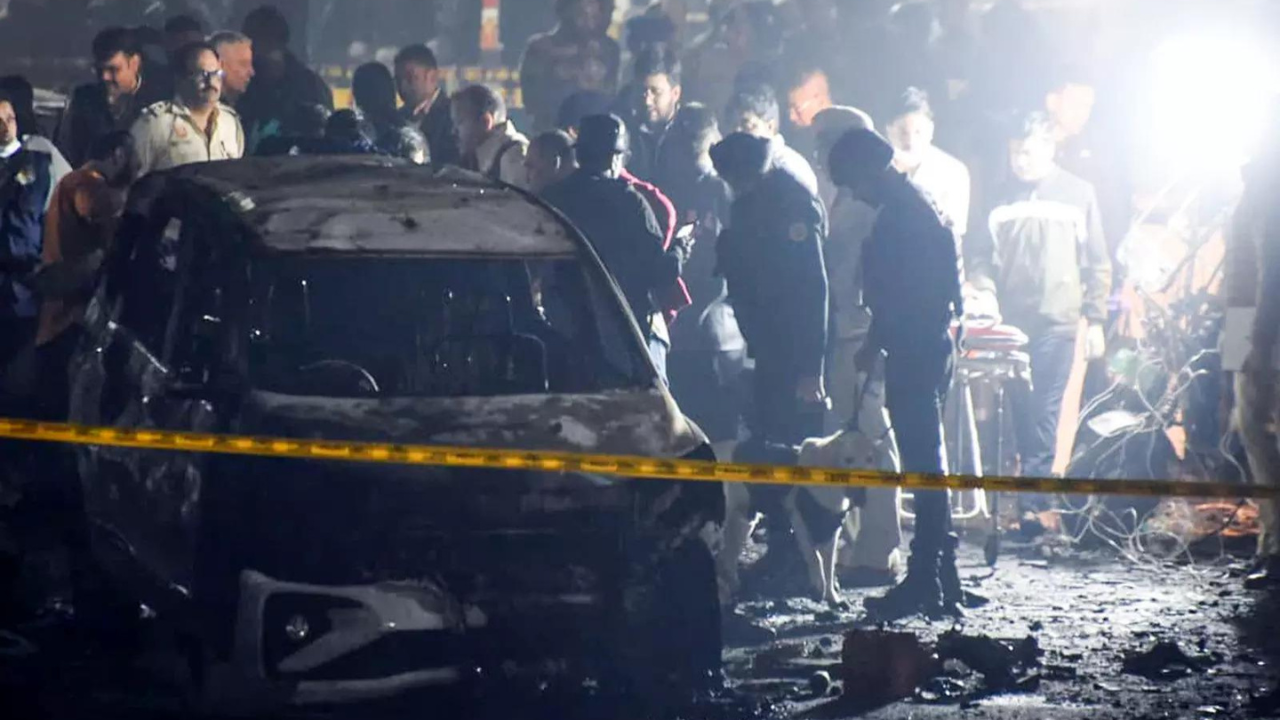
The NIA’s latest chargesheet reveals a chilling intersection of medical expertise and terror, as investigators name a fugitive doctor as a mastermind behind the 2025 Delhi explosion.
The image of a doctor typically evokes trust, but the National Investigation Agency (NIA) has painted a starkly different portrait of Muzafar Ahmed. A qualified paediatrician with both MBBS and MD degrees, Ahmed is now identified as a key architect behind the November 2025 vehicle-borne bomb blast near Delhi’s Red Fort. With the death toll from that day standing at 11, the agency’s latest move to name Ahmed—also known as Faraz and Zafar—marks a grim turning point in a case that has rattled the capital.
A Secret Network Uncovered
The NIA’s supplementary chargesheet, filed before a Delhi court, alleges that Ahmed was a founding member of "AGuH Interim," an offshoot of the Al-Qaeda terror network. Investigators claim he wasn't just a peripheral figure; he was part of the inner circle alongside the late prime accused Dr. Umer Un Nabi, Muzammil, his own brother Dr. Adeel Ahmed Rather, and Mufti Irfan.
According to the probe, the conspiracy took root in June 2022 during a clandestine meeting at an Eidgah in Srinagar. From there, the module allegedly established a laboratory of sorts at Al-Falah University in Faridabad. It was here, the agency contends, that Ahmed—who remains absconding—was actively involved in the technical, high-risk work of manufacturing and testing TATP, a notoriously volatile explosive used in the Red Fort blast.
The Logistics of Terror
The scope of the investigation has expanded beyond the bomb-makers. By adding Zameer Ahmad Ahanger and Tufail Ahmad Bhat to the chargesheet, the total number of individuals accused in this case has climbed to 13. Zameer allegedly operated as an overground worker, managing the flow of cash and arms. Tufail, described as a former operative for the banned Lashkar-e-Taiba, is accused of arming the module with high-grade weaponry, including AK-47s and Krinkov rifles.
Why it matters
The involvement of highly educated professionals in terror activities is a deeply unsettling trend for security agencies. When individuals with advanced medical training turn their expertise toward the synthesis of volatile explosives like TATP, the challenge for counter-terrorism units becomes exponentially harder. This case suggests that the "AGuH Interim" module was not merely a loose collection of radicalized individuals but a structured operation with a clear division of labour: medical professionals handled the chemistry, while seasoned operatives managed the logistics and weapons. As the NIA continues its hunt for the absconding conspirators, the focus remains on dismantling a network that successfully managed to bring the threat of global terror to the heart of the national capital.
Priya Nair covers parties, elections and the business of power for PoliticalPedia.