The New Seleção: Why Ancelotti’s Pragmatic Brazil is Trading Samba for Steel
Brazil beyond Vinicius, Neymar: Older, taller, tougher and built to win?
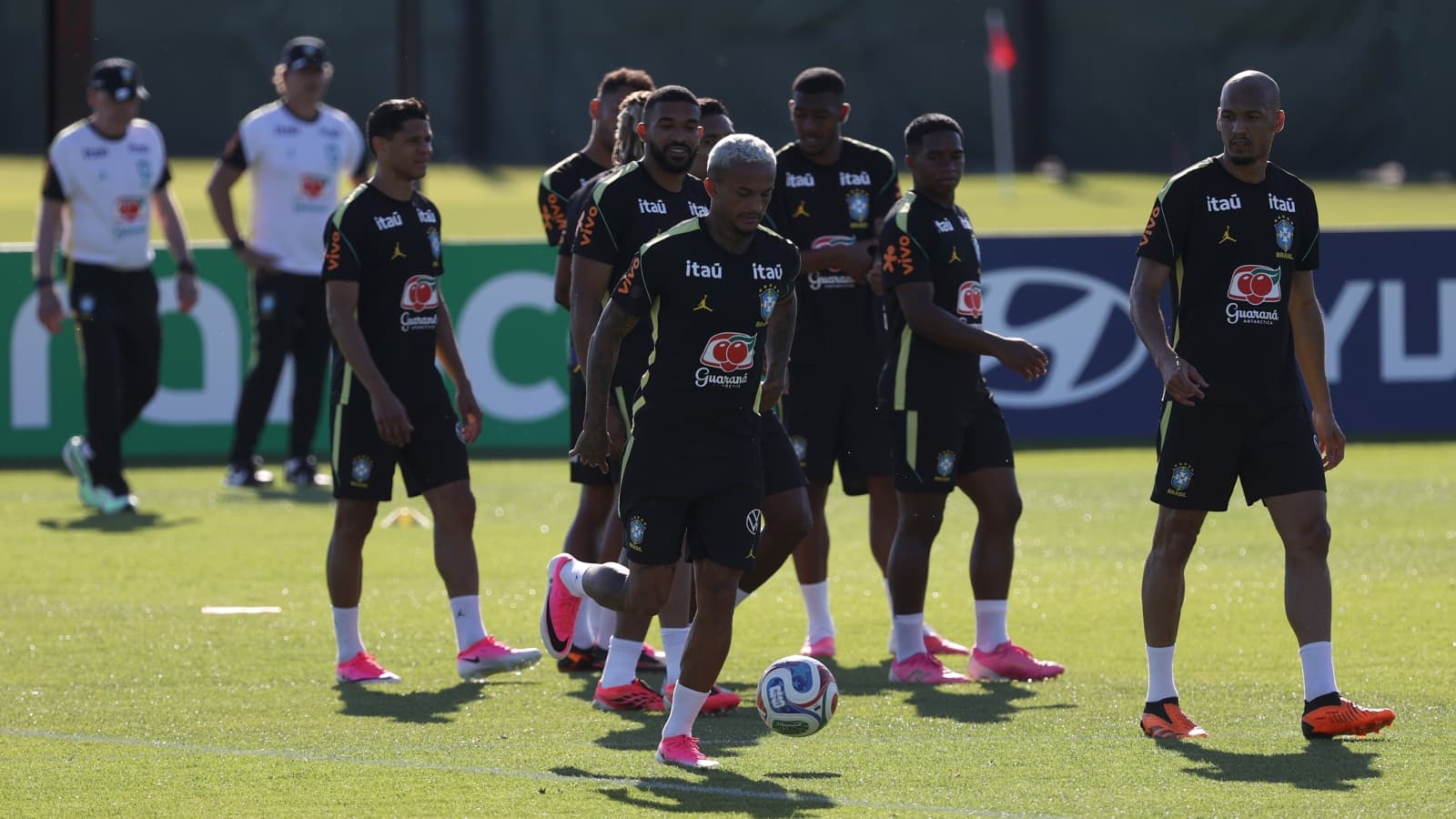
Carlo Ancelotti has assembled the oldest, tallest, and most tactical Brazil squad in decades, signalling a departure from tradition in the hunt for a sixth World Cup title.
The birth date column in the matchday programme tells a story that would once have shocked the Brazilian public. As the Seleção prepares for the World Cup, the data reveals a group with an average age of 29 years and 6 months—the oldest in the nation's history, surpassing even the experienced 2010 squad that went to South Africa. Under the stewardship of Carlo Ancelotti, the first non-Brazilian to manage the side, the emphasis has shifted. The romantic, improvisational flair that defined Brazilian football for generations is being tempered by something far more clinical: reliability.
A Tournament Machine
This is a side built to win, not merely to entertain. Fifteen of the 23 players were present in Qatar four years ago, bringing a level of institutional memory that few nations can match. The physical profile is equally striking; with an average height of 1.82 metres, this is one of the tallest groups ever to wear the yellow jersey. Ancelotti, a serial winner who has conquered the Champions League five times, is banking on physical superiority to dominate transitions and set-pieces. He has effectively given his team "permission" to defend, pairing reliable Premier League standout Gabriel Magalhães with the seasoned Paris Saint-Germain veteran Marquinhos.
The Neymar Paradox
The inclusion of Neymar at 34 remains the squad's most polarising decision. Having been absent from Ancelotti’s plans for much of the year due to injury, his recall feels as much like an emotional tribute to a living legend as it does a tactical choice. The manager has been clear: Neymar will have to fight for his minutes alongside the likes of Vinicius Junior and Raphinha. While the younger Vinicius continues to be the subject of intense debate back home—with critics questioning why his blistering Real Madrid form rarely translates fully to the national stage—the coach remains convinced that a "shared sense of responsibility" is more potent than relying on a singular, Pele-esque superstar.
Why it matters: The Shift in Strategy
For a country that has endured a 24-year title drought, this squad represents a fundamental pivot in philosophy. By bringing nearly 30 per cent of the roster from the domestic league—the highest proportion in two decades—Ancelotti is tapping into the resurgent financial strength of clubs like Flamengo and Botafogo, while maintaining a core of European-based stars. This is no longer a collection of artists; it is a tournament machine. The bigger picture suggests Brazil is finally acknowledging that modern football is won through structure, defensive solidity, and experience. If they succeed, it will be because they traded the "beautiful game" for a more disciplined, iron-clad version of it.
National Affairs Desk at PoliticalPedia covers government & policy for an Indian audience in English and Hindi.