A Tournament Machine: Why Brazil’s Oldest Squad Ever is Betting on Grit Over Glamour
Brazil beyond Vinicius, Neymar: Older, taller, tougher and built to win?
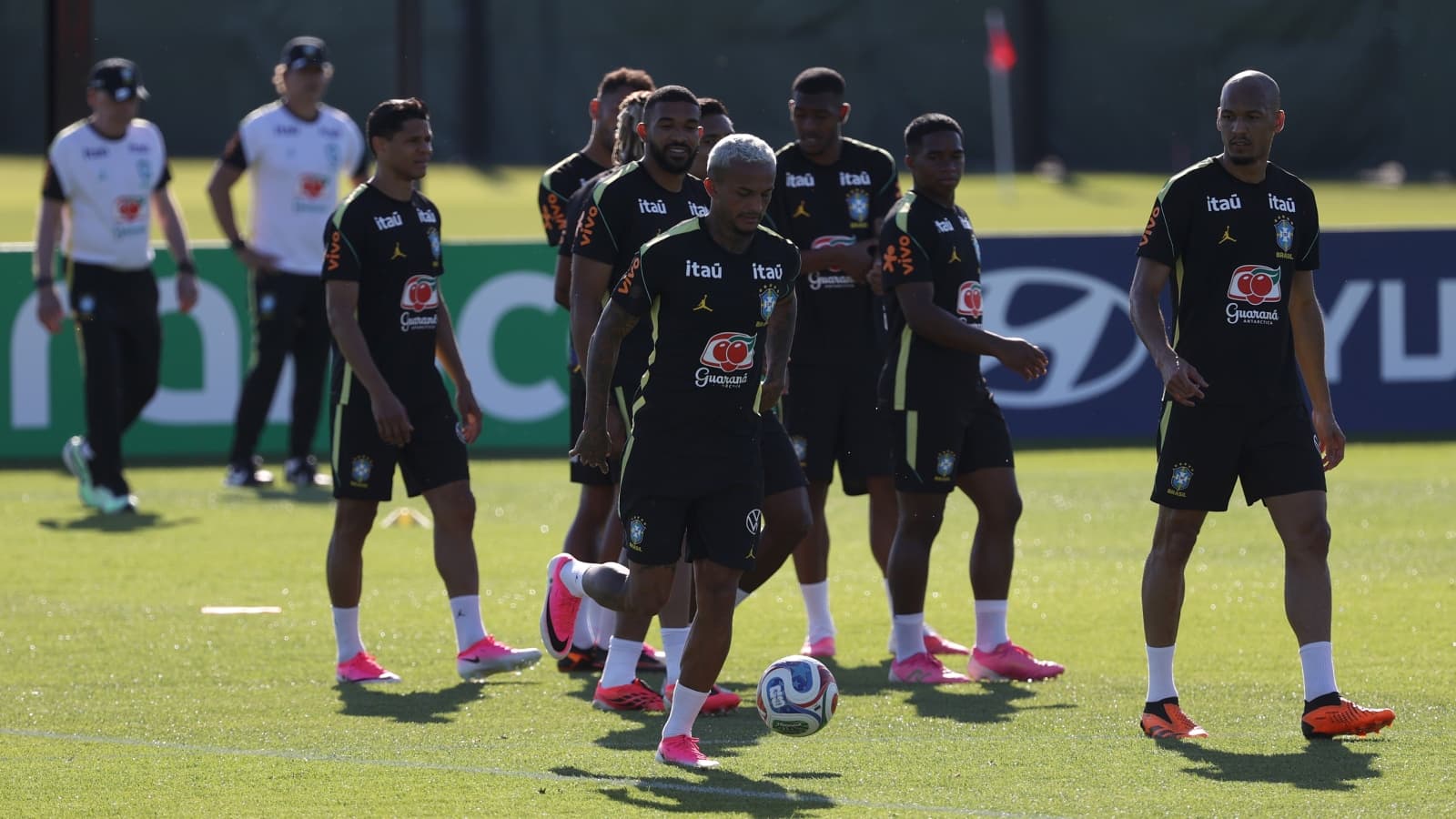
Carlo Ancelotti has ditched the Seleção’s traditional obsession with youthful flair for a battle-hardened group built to grind out a sixth world title.
The birth date column in the team sheet tells a story that defies decades of Brazilian football tradition. As the Seleção prepare for the 2026 World Cup, they aren't just carrying the weight of a two-decade trophy drought; they are carrying the oldest squad in their nation’s history. With an average age of 29 years and 6 months, Carlo Ancelotti has assembled a group that feels less like a dance troupe of young artists and more like a carefully calibrated tournament machine.
The Shift in Philosophy
For years, the Brazilian identity was synonymous with joga bonito—fearless improvisation and the promise of a new Pele or Ronaldo. But in the modern game, where transitions and set-pieces often dictate the outcome, Ancelotti has pivoted. This Brazil team is taller, with an average height of 1.82 metres, and significantly more physical than their recent predecessors. Fifteen members of this group were present in Qatar four years ago, suggesting that the manager is prioritizing high-stakes experience over the volatility of youth.
The inclusion of Neymar—now 34 and returning from a career-threatening string of injuries—is the ultimate signal of this intent. While the debate over whether Vinicius Junior can finally replicate his club-level superstardom for his country continues to dominate headlines, Ancelotti is quietly betting on a "shared sense of responsibility." He has explicitly stated that he isn't looking for a singular savior, but a collective grit.
The Return to Domestic Roots
Perhaps the most tactical shift is the influx of local talent. Almost 30 per cent of the players currently ply their trade in Brazil, the highest domestic representation in over twenty years. Clubs like Flamengo, Botafogo, and Santos have leveraged their growing financial muscle to bring established internationals back from Europe. This creates a rare hybrid: a team that draws on the tactical discipline of European club football while maintaining a core that understands the specific pressures of the Brazilian league.
The Bigger Picture: Why it Matters
This represents a cold-eyed recalibration for a nation that has watched its last few World Cup campaigns vanish in the quarter-finals. By selecting a group that is older and physically more robust, Ancelotti is acknowledging that technical brilliance alone is no longer enough to conquer the world stage. The goal is no longer just to play beautiful football; it is to build a team that can endure the grind of a 48-team tournament. For Brazil, the risk is clear: by trading the romance of the past for the reliability of a veteran squad, they are putting everything on the line to prove that "toughness" can finally earn them that elusive sixth star.
National Affairs Desk at PoliticalPedia covers government & policy for an Indian audience in English and Hindi.