The New Math of Cooking: Ujjwala Subsidy Cap Slashed to Four Cylinders
Govt cuts subsidised LPG cylinders under Ujjwala from 9 to 4
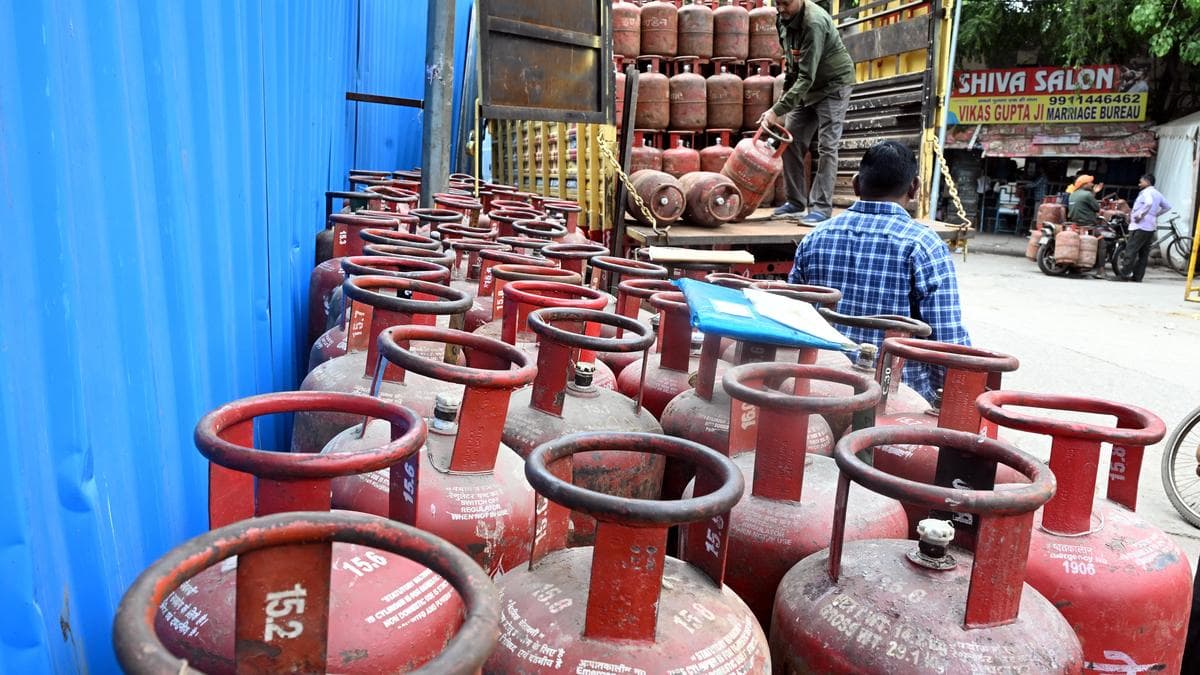
As global energy costs climb, the government has halved the annual quota of subsidised LPG refills for beneficiaries of the Pradhan Mantri Ujjwala Yojana.
For over 10 crore households across the country, the kitchen budget just got a little tighter. In a quiet but significant move, the government has reduced the number of subsidised LPG refills available under the Pradhan Mantri Ujjwala Yojana (PMUY) from nine to four per year. This change, which comes alongside a ₹29 hike in the price of domestic cooking gas, reflects the tightening grip of global supply pressures stemming from the ongoing conflict in West Asia.
The adjustment was formalised on Sunday, June 7, 2026, buried within a broader press statement regarding domestic price revisions. This marks the second such price hike recently, bringing the total increase to ₹89. For the average consumer, a 14.2-kg cylinder now costs ₹942 in Delhi. While PMUY beneficiaries continue to receive a targeted subsidy of ₹300 per refill, the cap on how many times they can claim this benefit has been effectively slashed.
The Government’s Rationale
Addressing the shift, Praveen Khanooja, Additional Secretary in the Union Petroleum Ministry, defended the move by pointing to the heavy financial burden of energy imports. He noted that even at the current market price of ₹942, the government is essentially absorbing a massive cost. "Whether I am a PMUY or a non-PMUY consumer, I am getting a cylinder, which should have cost ₹1,600, at ₹942—which is also an indirect subsidy," Khanooja explained.
He further justified the reduction by citing consumption data, claiming the average usage among Ujjwala beneficiaries hovers between four and five refills a year. By aligning the subsidy quota with this average, the govt is attempting to balance fiscal prudence with the realities of household energy consumption. According to official figures, the effective price for a beneficiary stands at ₹642, representing a 60% discount compared to international market rates.
Why It Matters
The bigger picture here is the delicate balancing act between global market volatility and domestic inflation. As international energy prices fluctuate, state-run oil marketing companies face "under-recoveries"—the gap between what it costs them to supply fuel and what they are allowed to charge at the pump. By limiting the quota, the govt is essentially insulating the exchequer from further strain.
For the millions who rely on the PMUY scheme, however, this change underscores the vulnerability of household budgets to geopolitical shifts thousands of miles away. While the official stance suggests that most households won't feel the pinch because their consumption is already near the four-cylinder mark, any further volatility in the West Asia region could mean that the math on cooking fuel may need to be revisited yet again.
Features Desk at PoliticalPedia covers culture, tech & life for an Indian audience in English and Hindi.