The Missing Icons: Why FIFA 2026 Will Feel a Little Less Like a World Cup
Poland’s tongue-twisting names, Nigeria jerseys, Italy’s Italy-ness: what we will miss at FIFA 2026
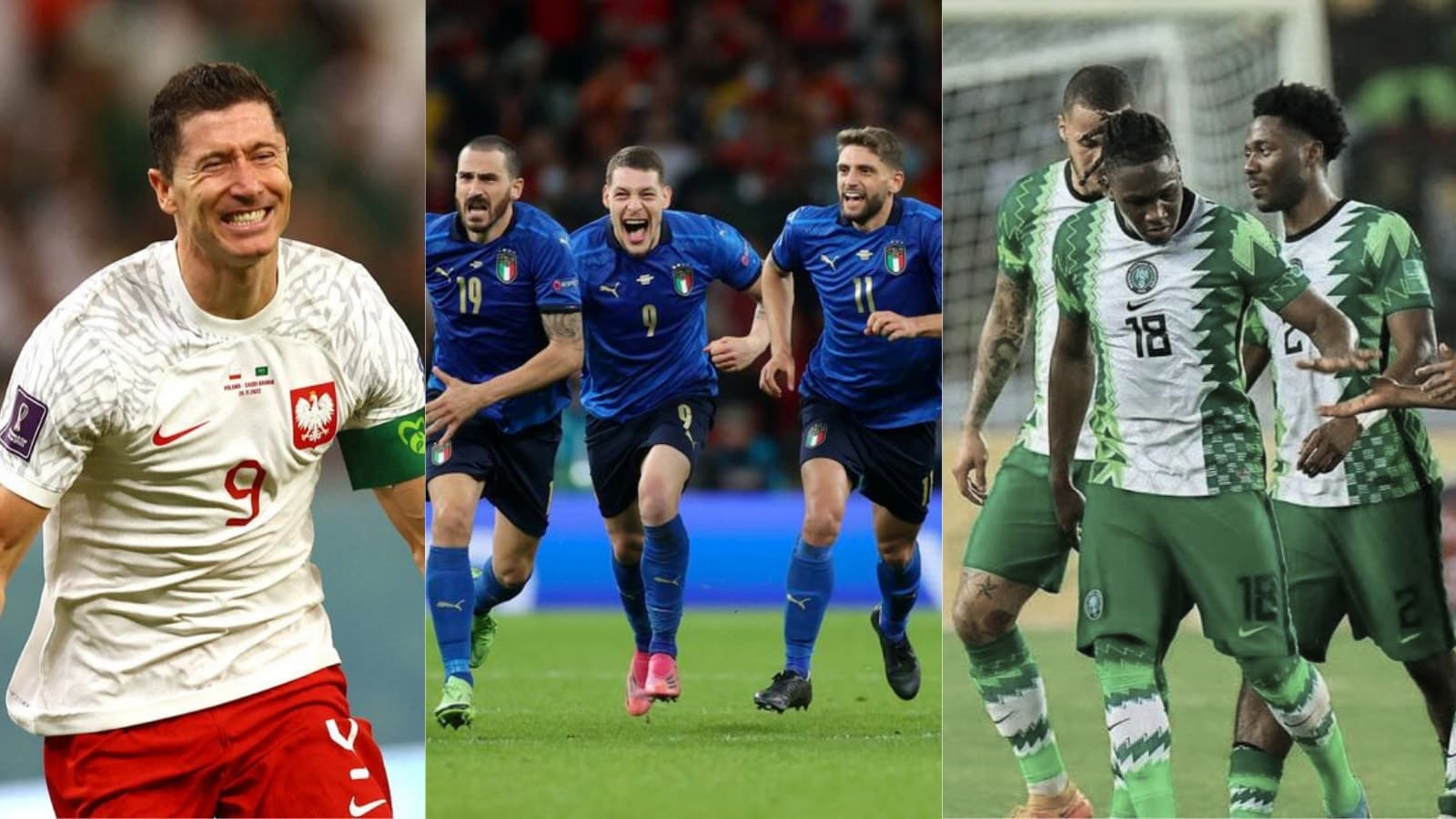
As the footballing world gears up for a sprawling 48-team tournament in North America, we look at the legacy left behind by the giants who failed to make the cut.
The FIFA World Cup is often sold as a global carnival, but for the purists, the absence of certain nations turns the party into a slightly muted affair. As Mexico, USA, and Canada prepare to host an expanded 48-team format, the missing faces of international football will be felt acutely. When the opening whistle blows, the tournament will be missing the tactical drama of Italy, the linguistic hurdles presented by Poland, and the sheer, vibrant aesthetic influence of Nigeria.
For Italy, the pain is chronic. Despite missing out on previous editions, the Azzurri’s absence remains a jarring disconnect from the sport’s history. Fans will miss that iconic azure-blue jersey, the theatricality of players arguing with referees using a symphony of hand gestures, and the brooding, creative midfielders who once defined the Italian style. Without the Azzurri, the defensive discipline and the legacy of the post-Buffon era feel like a vacuum waiting to be filled by newcomers who may lack that distinct Italian flavour.
Then there is the quiet frustration of not hearing the commentators struggle through Poland. Beyond the obvious loss of Robert Lewandowski, there is a certain charm in the tongue-twisting rosters that have become a World Cup staple. Names like Grzegorz Krychowiak or Przemyslaw Wisniewski were the phonetic tests of every broadcast booth. While they had the talent to challenge, Poland failed to qualify, and with them goes the stubborn, grit-filled identity that defined their recent campaigns.
The Aesthetic Void
The tournament also takes a hit in the fashion stakes. Nigeria is the biggest casualty here; they hold the record for the most goals scored by an African nation in FIFA World Cup history, but it is their visual footprint that will be most missed. From the iconic green-and-white chevron jerseys to the Nike-designed falcon wings, the Super Eagles were a masterclass in style. With players of Nigerian descent now scattered across national teams like England and Germany, the concentrated flair of the original squad remains a casualty of the qualification cycle.
Why it matters
The bigger picture here is the tension between commercial expansion and sporting heritage. While the move to 48 teams brings in "dot-island" nations and fresh markets, it risks diluting the narrative weight of the tournament. When legacy powerhouses like Cameroon—who famously toppled Brazil and Argentina in past cycles—are packed off by smaller, rising nations during qualification, the World Cup loses its connective tissue. This isn't just about who is better on the pitch; it is about the "Italy-ness" or the specific stomp of the Nigerian Falcons that provides the tournament with its cultural heartbeat. After the confetti settles, the industry will have to grapple with whether a bigger tournament is necessarily a better one if the soul of the sport stays home.
Business Desk at PoliticalPedia covers economy & markets for an Indian audience in English and Hindi.