The Invisible Crisis: Why Bengaluru Daycare Horror Exposes India's Creche Law Gap
Who Is Watching Your Child? Bengaluru Daycare Horror Exposes India's Creche Law Gap
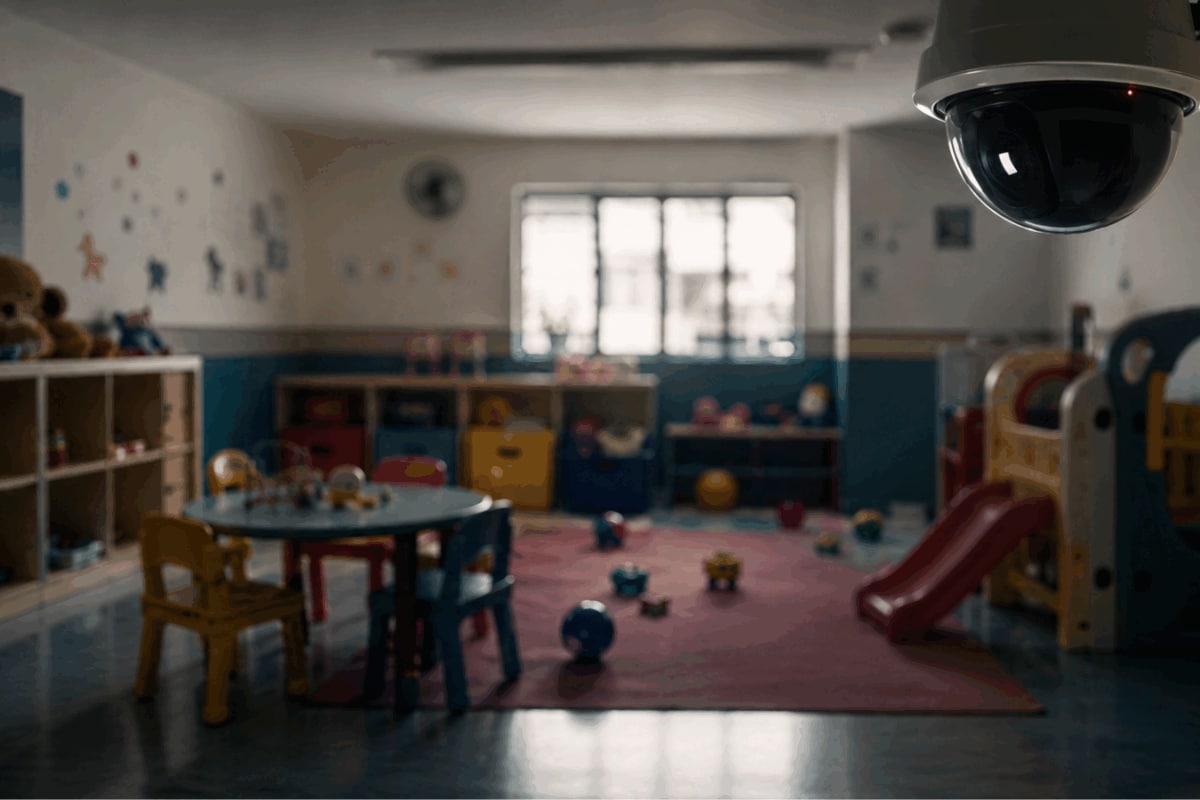
A chilling incident at a corporate campus has thrust the unregulated state of India’s private childcare sector into the spotlight, leaving working parents with more questions than answers.
The viral footage from a daycare facility at the Capgemini campus in Bengaluru is the stuff of every working parent’s nightmare. It shows toddlers being shoved into front-loading washing machines and sprayed in the mouth with toilet jets—acts of cruelty that have since led to an FIR against five caregivers. While the immediate outrage is directed at the individuals involved, the incident has peeled back a much deeper, more systemic failure: in the race to provide childcare for a booming workforce, India has effectively left the industry to police itself.
A Patchwork of Regulations
For millions of urban parents, daycare is no longer a luxury; it is the infrastructure upon which their professional lives depend. Yet, the industry operates in a regulatory vacuum. Unlike hospitals or restaurants, which are bound by strict licensing and hygiene standards, there is no single national regulator for private creches.
Instead, facilities operate under a confusing mix of state municipal rules, labour laws, and general criminal statutes. While government-run Anganwadis are anchored by the Integrated Child Development Services (ICDS) programme, private centres often fly under the radar. This means that standards for staff background checks, child-to-caregiver ratios, and basic safety infrastructure are entirely at the discretion of the individual operator.
Why it Matters: The Bigger Picture
This Bengaluru daycare horror exposes a fundamental disconnect between India’s economic reality and its social safety net. As nuclear families become the norm and both parents return to the workforce, the demand for private care has skyrocketed. When demand outstrips regulation, the quality of service invariably suffers.
The lack of a national framework isn’t just a policy oversight; it is a structural risk. Without mandatory, standardized licensing, parents are often forced to rely on "reputation" rather than verified compliance. The incident at the Capgemini facility—which has since shut down its daycare operations—serves as a grim reminder that as long as the sector remains a collection of disjointed private enterprises, "who is watching your child" is a question that may not have a reassuring answer.
The Path Forward
The outcry following the Bengaluru incident is likely to pressure state governments to revisit their municipal bylaws, but patching loopholes locally will likely remain insufficient. The industry requires a centralized, transparent framework that dictates everything from mandatory CCTV monitoring and police verification of staff to standardized child-safety training. Until policymakers move beyond knee-jerk reactions and address the creche law gap, the burden of vigilance will continue to sit heavily on the shoulders of parents.
Rohan Gupta covers the economy, markets and companies for PoliticalPedia.