Beyond the Sanctum: Why the Push to Bring the Ram Temple Trust Under RTI is Gaining Traction
'Bring Ram Temple trust under RTI': CPM MP John Brittas urges Centre amid donation 'theft' row
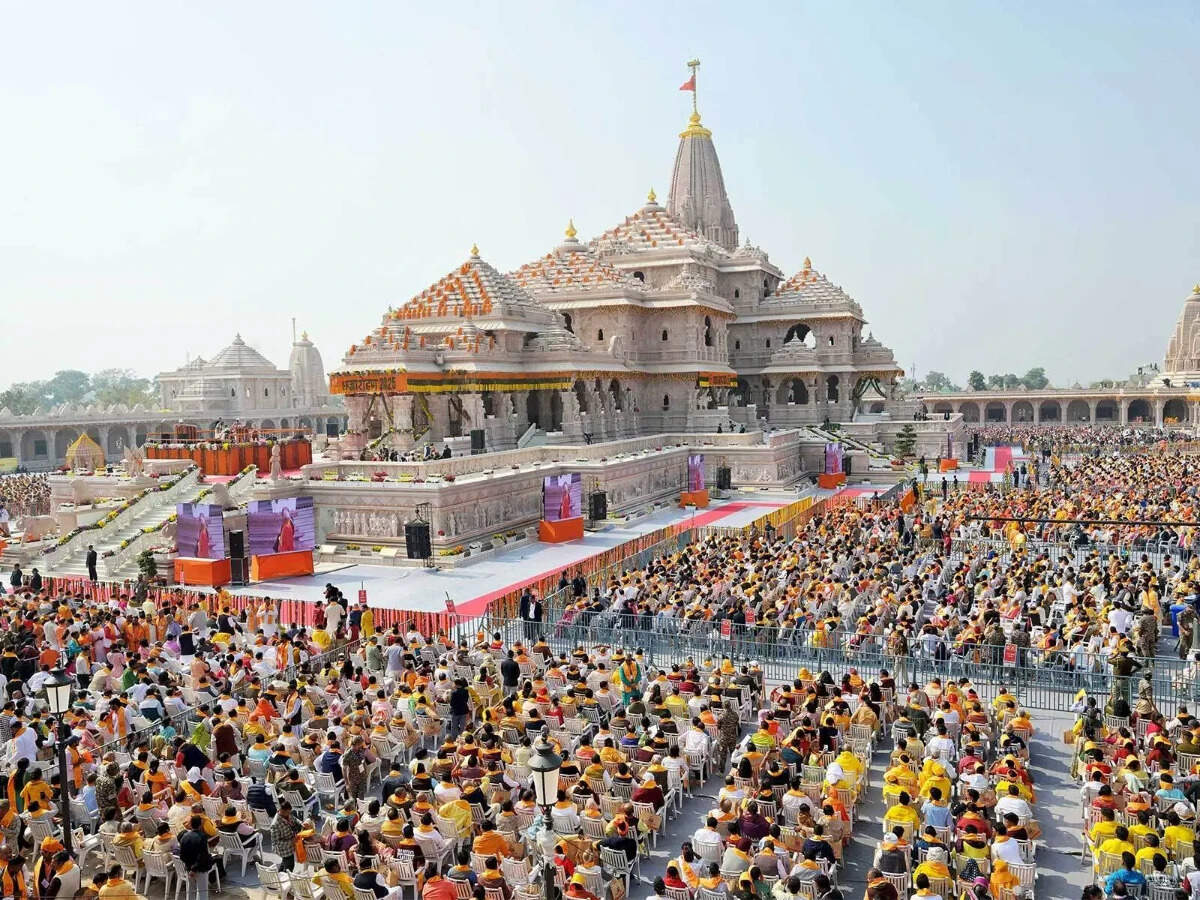
CPM MP John Brittas has written to the Union Home Minister, arguing that the Shri Ram Janambhoomi Teerth Kshetra Trust must be accountable to the public through the RTI Act.
The controversy surrounding the Shri Ram Janambhoomi Teerth Kshetra Trust has moved from the headlines into the corridors of power. Following recent reports of alleged embezzlement of donations, CPI(M) MP John Brittas has escalated the matter, formally urging the Centre to reconsider its stance on keeping the body that manages the Ayodhya temple outside the purview of the RTI Act. In a letter to Home Minister Amit Shah, Brittas contends that the current wall of silence around the trust is untenable given the massive public interest involved.
At the heart of the debate is a June 2025 order by the Central Information Commission (CIC), which concluded that the trust does not qualify as a "public authority" under the RTI Act. This ruling largely mirrored the government’s own position. Brittas, however, is challenging the legal logic behind this, pointing out that the trust was formed via a government gazette notification following the Supreme Court’s 2019 verdict. He argues that the RTI Act makes no distinction between a notification issued independently by the state and one mandated by judicial orders.
The Case for Accountability
The trust’s composition remains a point of contention for those seeking transparency. While the CIC has maintained its distance, the administrative reality is that serving IAS officers from both the Centre and the Uttar Pradesh government are embedded in the governing framework. Even without voting rights, their formal presence is a marker of the state’s institutional shadow over the trust’s affairs. Brittas insists this "public character" is exactly why the body should be answerable to the citizens who contributed the funds in the first place.
This push for transparency arrives against a backdrop of increasing political friction. While the opposition frames the demand as a matter of fiscal integrity, other voices in the political sphere have adopted a confrontational tone. VHP leaders, for instance, have dismissed opposition concerns, suggesting that investigative agencies like the SIT are better equipped to handle grievances than political rhetoric.
Why it Matters
The bigger picture here is about the evolving relationship between religious institutions and public accountability in India. When a state-facilitated body manages massive financial inflows, the question of whether it constitutes a "public authority" is no longer just a technical legal dispute—it is a test of democratic oversight. If the Centre continues to treat the trust as a private entity, it risks validating the opposition's narrative that the administration is shielding the temple’s financial operations from scrutiny. By keeping the trust outside the RTI umbrella, the government faces a widening trust deficit that could complicate its management of the site long after the construction dust settles.
Priya Nair covers parties, elections and the business of power for PoliticalPedia.