The Hidden Ledger of Conflict: Trump’s Iran War Bill and the Pentagon’s Fiscal Reality
Missiles, drones, damaged bases and depleted stockpiles: Trump faces massive Iran war bill
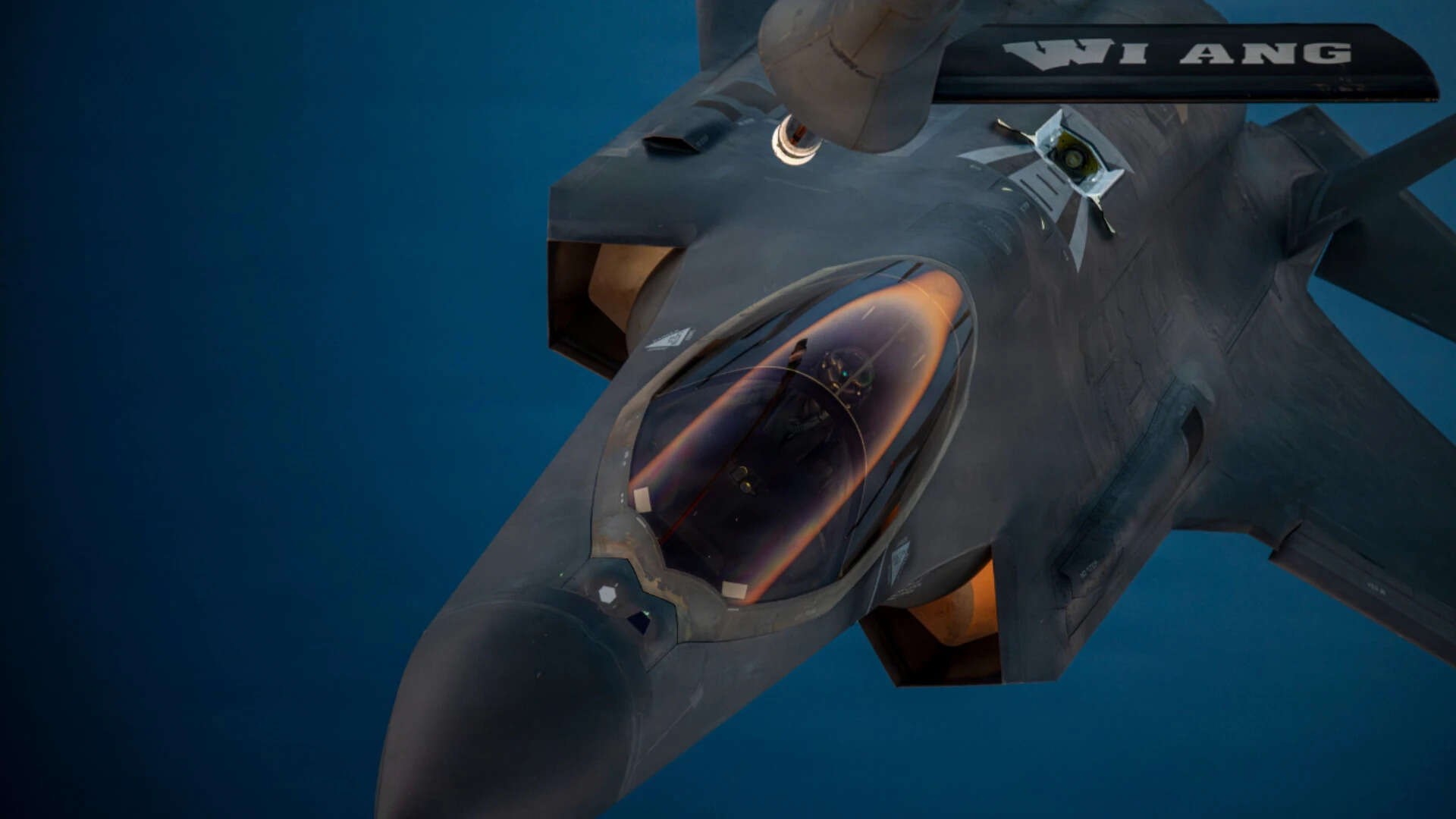
As the dust settles on recent military engagements, the US faces a staggering multi-billion dollar tab that threatens to derail long-term defence modernisation.
The smoke has barely cleared over Tehran, but in Washington, the math is already looking grim. New data from the Center for Strategic and International Studies (CSIS) suggests that recent US military operations against Iran have run up a bill of between $34 billion and $42 billion. For the incoming Trump administration, this isn't just a matter of foreign policy; it is an immediate fiscal crisis. With neither the 2026 nor the 2027 defence budgets accounting for this intensity of conflict, the Pentagon is now in a race to secure supplemental appropriations before their current coffers run dry.
The financial breakdown reveals a war fought in distinct, costly stages. While the initial deployment was a relatively modest $170 million, the combat phase saw a voracious consumption of high-end weaponry. The Pentagon’s largest expense—a staggering $26.1 billion—went directly into munitions. Over 13,600 strike weapons, including Tomahawk missiles and Joint Air-to-Surface Standoff Missiles (JASSM), were expended in a short window. This aggressive burn rate has sparked urgent concerns within the corridors of power about the depletion of high-end stockpiles and the US military's ability to sustain long-term escalation.
The Cost of Attrition
Beyond the fire and fury of missile strikes, the operational costs have been relentless. Iranian strikes on regional bases proved surprisingly effective, causing damage estimated between $4 billion and $9.4 billion as hangars, barracks, and warehouses were repeatedly targeted. Add to this the loss or damage of 42 aircraft—primarily drones—costing up to $3.5 billion, and a $1.4 billion spike in fuel prices, and the scale of the financial hole becomes clear. While regional allies helped absorb some of the pressure by intercepting incoming threats, the incidental costs, including $750 million in operational tempo and hazard pay, continue to mount.
The logistical challenge is compounded by the federal calendar. Fiscal year 2027 funds remain locked away until October 2026, forcing Congress to either reprogramme existing budget lines or pass new emergency spending. Pentagon officials are reportedly pushing for the latter, fearing that cannibalising funds from vital modernisation programmes will leave the US military vulnerable in the long run. Meanwhile, secondary costs are rippling across the federal government, with an additional $1 billion absorbed by agencies for cyber defence and nuclear monitoring, alongside a permanent $400 million annual commitment to veterans’ benefits.
Why it matters
The broader implications here are stark. This conflict has exposed a critical gap between America's strategic ambitions and its industrial capacity. When the world’s most powerful military burns through a quarter of its high-end interceptors in a single regional flare-up, the deterrent value of those stockpiles is fundamentally questioned. For investors tracking global stability, the unpredictability of these costs creates a volatile backdrop that makes market indicators—like the Sensex—seem almost secondary to the underlying structural risks in global supply chains and defence manufacturing. Trump now inherits a military that must reconcile the reality of a depleted arsenal with a Congress that is increasingly cautious about writing blank checks for overseas engagements.
Arjun Mehta reports on government, policy and Parliament for PoliticalPedia, in English and Hindi.