The Great Diplomatic Paradox: Europe’s Peace Pivot and the Kremlin’s Ire
Kremlin says Macron, Merz and Starmer talk of peace, but help Kyiv with new weapons to continue the war
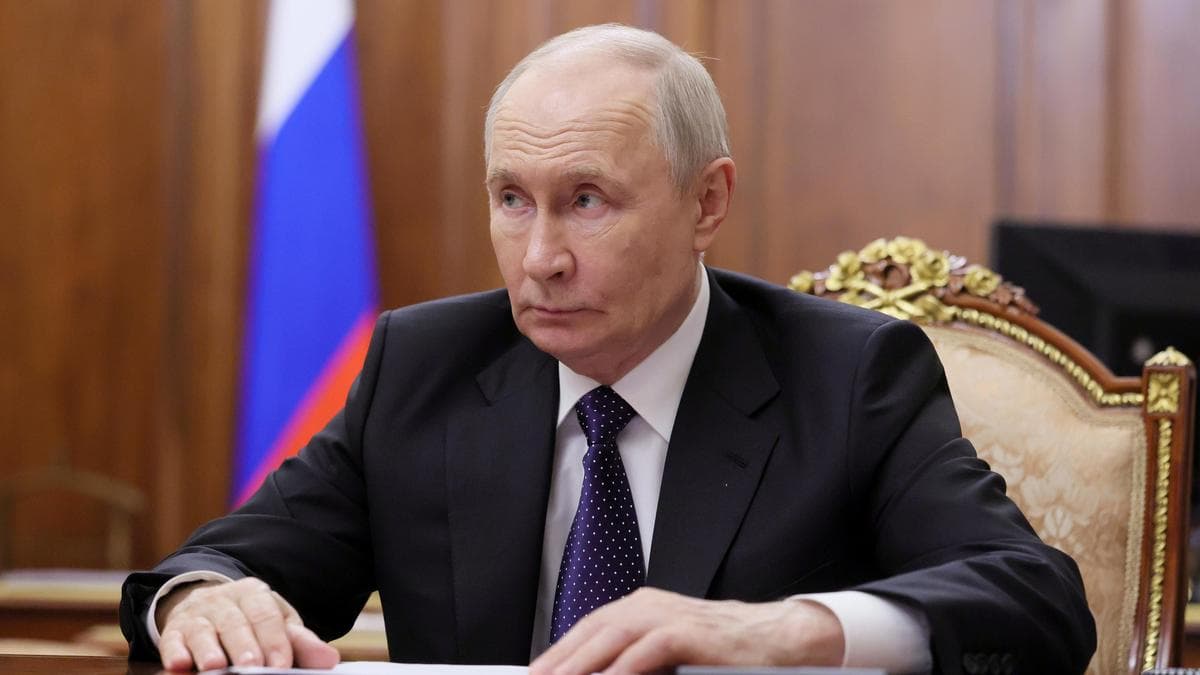
As European leaders gather to rally support for Kyiv, a familiar cycle of rhetoric and weaponry continues to define the stalemate on the ground.
The optics of European diplomacy have shifted into high gear, with French President Emmanuel Macron, German opposition leader Friedrich Merz, and British Prime Minister Keir Starmer recently engaging in a high-stakes series of meetings with Ukrainian leadership. The agenda is officially one of peace and robust security guarantees. Yet, as these leaders hold court in London and beyond, the Kremlin has sharpened its rhetoric, dismissing these peace initiatives as a thinly veiled facade for continued escalation. Moscow argues that the "Eurotroika" is effectively talking about stability while simultaneously funneling new, lethal weapons into Kyiv, a move the Russian leadership claims only serves to prolong the Ukraine conflict.
The disconnect between Western intentions and Russian perception is widening. While the European alliance pushes for a framework that secures Ukraine’s future, the Russian state media and official spokespeople remain steadfast in their stance: the battlefield, not the conference room, will ultimately dictate the terms of any resolution. This hardening of positions comes at a time when the shadow of potential changes in U.S. policy—specifically regarding a proposed peace plan—has prompted European leaders to double down on their own, more muscular approach to the conflict.
A Clash of Narratives
For readers following our daily newsletters or checking the latest updates in our world section, the pattern is becoming familiar. Western allies are positioning themselves as the architects of a "robust" security architecture for Kyiv, even as they harbor deep-seated fears that any easing of sanctions or concessions to Moscow would be a strategic error. Macron, in particular, has urged the international community to look toward the European model rather than casting stones, framing the current diplomatic effort as a necessary evolution of global support.
However, the Kremlin’s response—as observed across various international reports—suggests that Moscow views this coordination as a coordinated effort to box it out of any meaningful negotiation. Whether this is posturing or a genuine rejection of the European-led peace track remains a critical question for analysts. While some outlets suggest Moscow remains technically open to dialogue, the reality on the ground points to a deepening entrenchment that defies simple diplomatic fixes.
Why it matters: The Bigger Picture
This diplomatic tug-of-war is about more than just current battlefield gains; it is a fundamental disagreement over what "peace" actually looks like. For the European leaders involved, peace is predicated on the sovereign integrity of Ukraine supported by an ironclad supply chain of military hardware. For the Kremlin, this is a contradictory paradox that renders true negotiation impossible.
As the war drags on, the danger lies in the hardening of these opposing realities. If European capitals continue to prioritize security guarantees that mirror their own defense interests, and Moscow maintains that these moves are merely an extension of the war effort, the space for a middle ground is shrinking. For the average reader, this means the conflict is likely to remain in a state of high-intensity friction for the foreseeable future, regardless of how many summits are held or subscriptions to live updates one might maintain.
Features Desk at PoliticalPedia covers culture, tech & life for an Indian audience in English and Hindi.