The Ghats in Crisis: How the Kozhikode-Wayanad Tunnel Landslide Exposes a Fragile Infrastructure Gamble
Kozhikode-Wayanad Tunnel Landslide: The Grim Reality Of Kerala's Infra Rush Is Buried In The Ghats
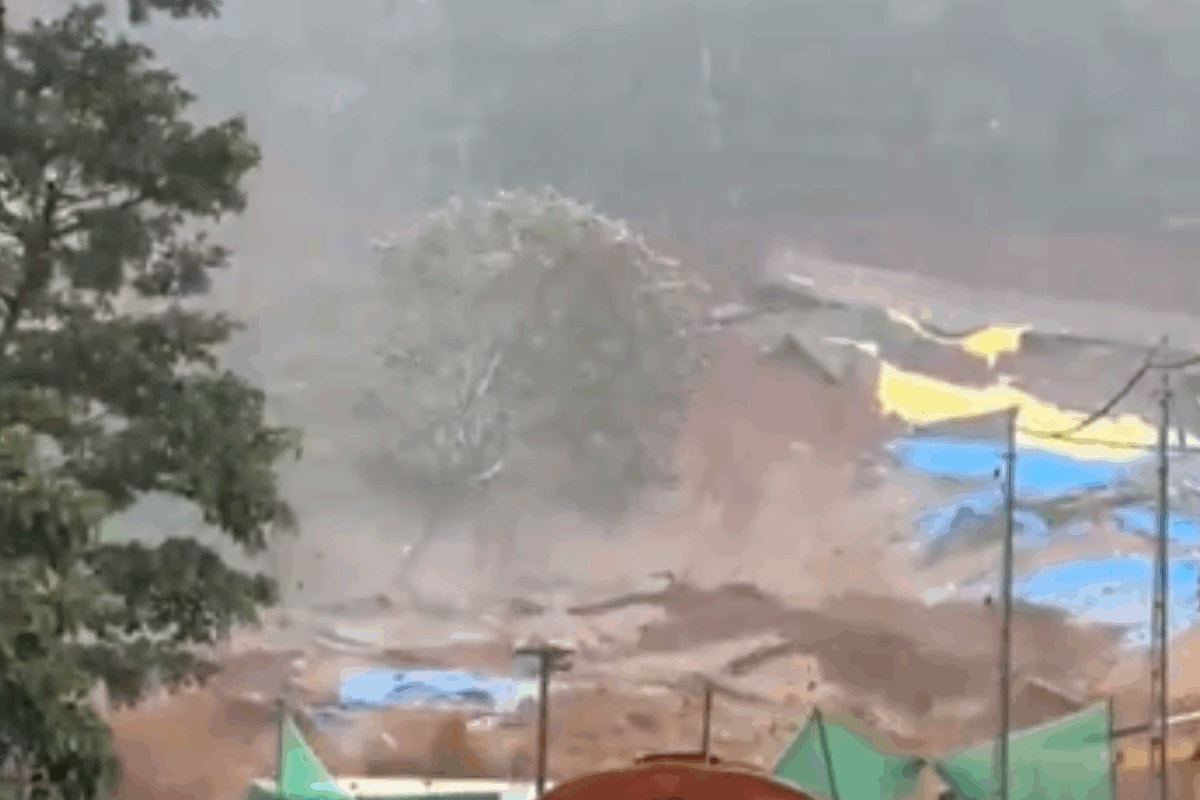
As search and rescue operations continue at the Kalladi site, the tragic collapse serves as a stark reminder of the environmental costs inherent in Kerala’s aggressive pursuit of connectivity.
The earth did not just shift at the Kozhikode-Wayanad tunnel project site in Kalladi; it surrendered to a lethal combination of gravity, geography, and human intervention. As the mud settles, the grim reality of the infra rush is buried in the ghats, leaving behind a scene of devastation where a long-awaited engineering marvel has instead become a site of tragedy. For those working on the ground, the landslide is not merely an act of nature but the inevitable outcome of pushing heavy machinery into a region defined by its delicate, unstable ecology.
The Two-Layer Geological Trap
Geologists have long warned about the inherent instability of this region, but the recent disaster highlights a specific, dangerous "two-layer" trap. The Wayanad landscape is composed of a porous, heavy layer of laterite soil resting precariously on a foundation of impermeable granitic bedrock. During a downpour, this topsoil acts like a sponge, soaking up massive volumes of water. Because the bedrock underneath prevents natural drainage, the water pools at the interface, creating a high-pressure lubrication layer. In slopes exceeding 20 degrees, this friction-less surface turns entire hillsides into deadly, sliding sheets of mud.
A Weather Pattern in Flux
The intensity of the monsoon has shifted in ways that current infrastructure planning often fails to account for. Kerala’s coast is witnessing rapid changes, with a warming Arabian Sea destabilizing local weather systems. We are no longer seeing the steady, predictable rains of the past. Instead, the region is hit by erratic, hyper-localized cloudbursts that dump hundreds of millimeters of rain in mere hours. These bursts saturate the fragile slopes far faster than any man-made drainage system can redirect, effectively turning the mountain into a ticking time bomb.
Why It Matters
This tragedy forces a hard look at the "development at any cost" model being applied to the Western Ghats. When major projects like the Kozhikode-Wayanad tunnel are pushed through ecologically sensitive zones, they do not just face geological resistance; they alter the natural water-flow pathways of an already fragile region. If the engineering sector continues to ignore the warning signs written in the soil, we are likely to see more of these catastrophic terrain failures. The economic argument for faster connectivity is clear, but the price is becoming increasingly difficult to quantify in terms of human lives and environmental degradation.
Rohan Gupta covers the economy, markets and companies for PoliticalPedia.