The Final Journey: How the Air India Ahmedabad Crash Shattered Families
Air India Ahmedabad Crash Made Elderly Couple's First Flight Their Last
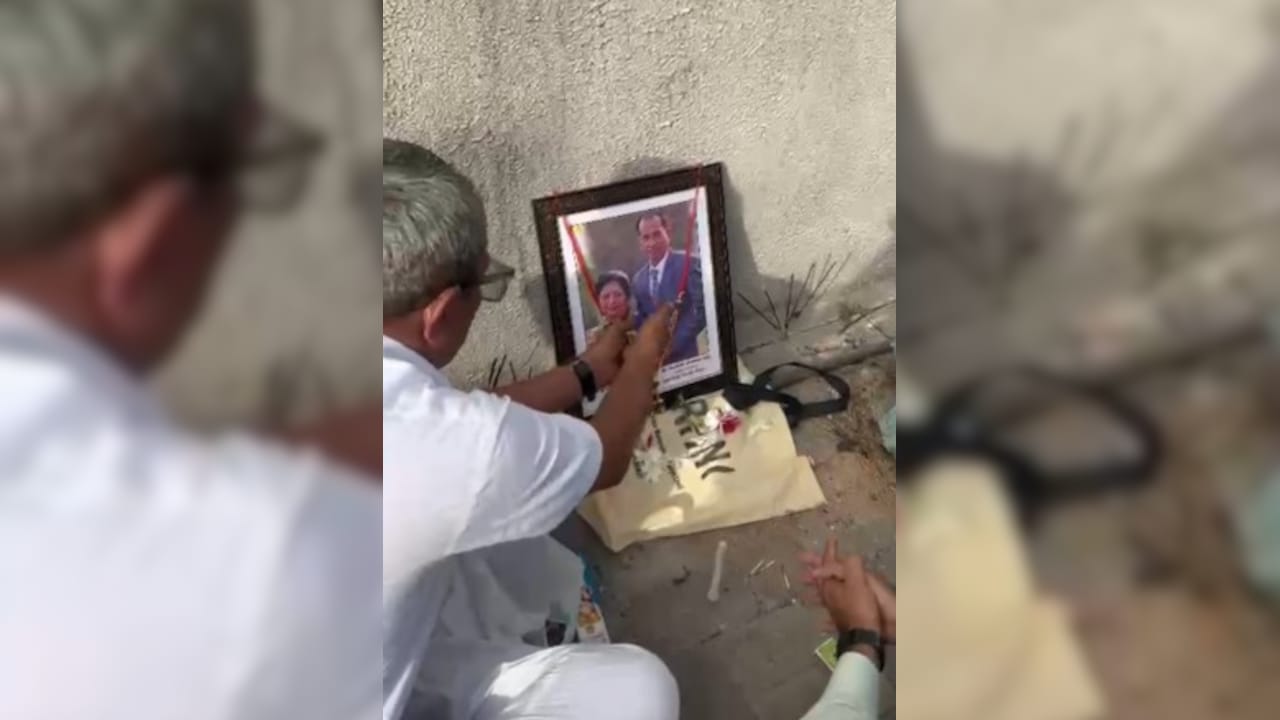
An elderly couple taking their first flight to visit their son, and a young couple expecting their first child—the human cost of the Air India Ahmedabad crash remains a haunting void for those left behind.
The cabin of a long-haul aircraft is often viewed as a bridge between lives, a vessel for reunions and fresh starts. For one elderly Maharashtra couple, that bridge collapsed before it could ever be crossed. Embarking on their first-ever flight to visit their son in London, they were among the many whose aspirations were silenced by the tragic Air India Ahmedabad crash. Their journey, intended to be a celebration of family, became their last.
The tragedy’s reach is broad and deeply personal. Reports from across the country paint a devastating picture: a young UK-based Gujarati couple, seven months pregnant, lost along with their unborn child; a Kerala nurse whose long-held dream of returning home to settle down was cut short; and a first officer, Vikrant Massey, whose family had been counting down the days to his wedding. The flight was not just a logistical connection between cities; it was a collection of individual lives, each tethered to hopes that ended in the wreckage.
A City in Mourning
In places like Vadodara and across the state of Maharashtra, the silence in homes is deafening. Families are grappling with the harrowing reality that their loved ones were caught in a moment of catastrophic mechanical or human failure. For many, the tragedy is compounded by the waiting—the wait for answers, for closure, and for the return of remains. Psychiatrists note that the shockwaves have extended far beyond the immediate families, as the crash has triggered a surge of anxiety among frequent flyers who now view the sky with newfound trepidation.
The Bigger Picture: Why It Matters
Beyond the immediate grief, the Air India Ahmedabad crash forces a difficult conversation about the fragility of our aviation safety infrastructure. When a routine trip—a flight home or a visit to family—turns into a national tragedy, it exposes the thin line between connectivity and catastrophe. The pattern of loss, particularly involving families and young professionals, serves as a grim reminder that aviation incidents are rarely just statistics. They are systemic failures that ripple through the social fabric of the country, impacting everything from regional economic stability to public trust in national carriers.
The incident highlights a pressing need for transparency in post-crash investigations. When families are left waiting for months, as seen in previous similar tragedies, the lack of definitive answers creates a secondary trauma. For the aviation industry in India, the challenge now lies in moving beyond the immediate headlines—much like the fleeting news cycles seen on platforms like NDTV—and addressing the deep-seated fears that have settled in the public consciousness. Ensuring that these flights are not just "safe" on paper, but transparent in their operation, is the only way to restore the confidence of a country that now looks at the boarding gate with uncertainty.
Kabir Sharma writes on culture, technology and everyday life for PoliticalPedia.