The Exit That Stings: Sukhendu Sekhar Ray’s Departure Jolts TMC
Another loss for TMC, Sukhendu Sekhar Ray resigns as Rajya Sabha MP, quits party
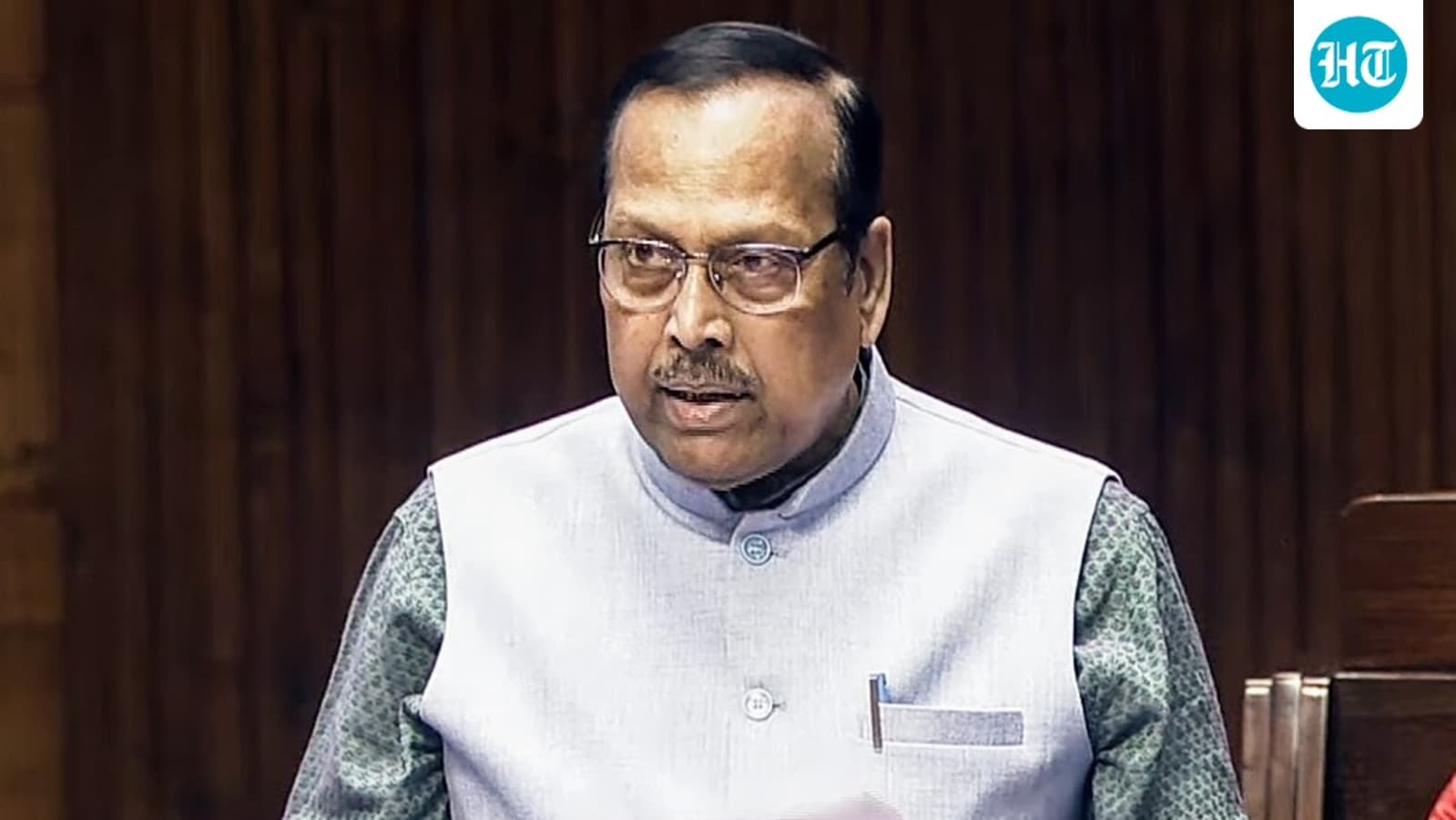
A veteran voice leaves the fold as internal fractures within the Trinamool Congress widen following a significant electoral shift.
The corridors of power in Kolkata are rarely quiet, but the resignation of Sukhendu Sekhar Ray has sent a fresh ripple through the Trinamool Congress ranks. As a long-standing Rajya Sabha MP, Ray was more than just a party face; he was part of the institutional memory of the TMC. Now, by stepping down from both his Upper House seat and the primary membership of the party, he has signaled a deepening crisis that goes beyond mere political disagreement.
The Charges Within
In a resignation letter that reads as a stinging indictment, Ray did not mince his words. He anchored his departure in what he termed an "anarchical rule," explicitly citing the 15-year tenure of the TMC government. His grievances were broad and severe, pointing to systemic failures in health, education, and industry, alongside an alarming rise in corruption and atrocities against women.
For the TMC, the optics are particularly damaging. Ray framed his exit as a necessary acceptance of the "historic verdict" delivered by the people in the recent West Bengal Legislative Assembly elections. By aligning his decision with the voters' mandate for the BJP, he has effectively repositioned himself from a party insider to a critic of the establishment he once served.
Why it matters
This isn't just about one man leaving; it’s about the durability of the TMC’s internal coalition. When a senior leader of Ray’s stature cites "unbridled corruption" as a primary reason for quitting, it provides a ready-made narrative for the opposition. The party is already grappling with the fallout of the recent election, and this resignation acts as a lightning rod for broader internal dissent.
The bigger picture suggests that the TMC is currently in a defensive crouch. As the state’s political landscape shifts, the party is struggling to contain the erosion of its leadership base. If other veterans follow suit, the "anarchical" label Ray has pinned on the administration could become a rallying cry for challengers in upcoming cycles.
A Changing Tide
Beyond the parliamentary implications, this departure underscores the fragility of political loyalties in West Bengal. With the BJP finding newfound traction—a mandate Ray pointedly referenced in his resignation—the TMC’s grip on the state is being tested in ways it hasn't been in over a decade. Whether this is an isolated exit or the start of a trend of senior leadership desertion remains the central question for observers tracking the political temperature in the state. For now, the loss of a Rajya Sabha MP is a significant blow that leaves Mamata Banerjee’s team searching for ways to plug the leaks in an increasingly fractured ship.
Features Desk at PoliticalPedia covers culture, tech & life for an Indian audience in English and Hindi.