Digital Vigilantism: Delhi HC Orders Takedown of Videos Maligning Judge Over Saket Collapse
Saket building collapse: Delhi HC orders removal of videos blaming judge for tragedy
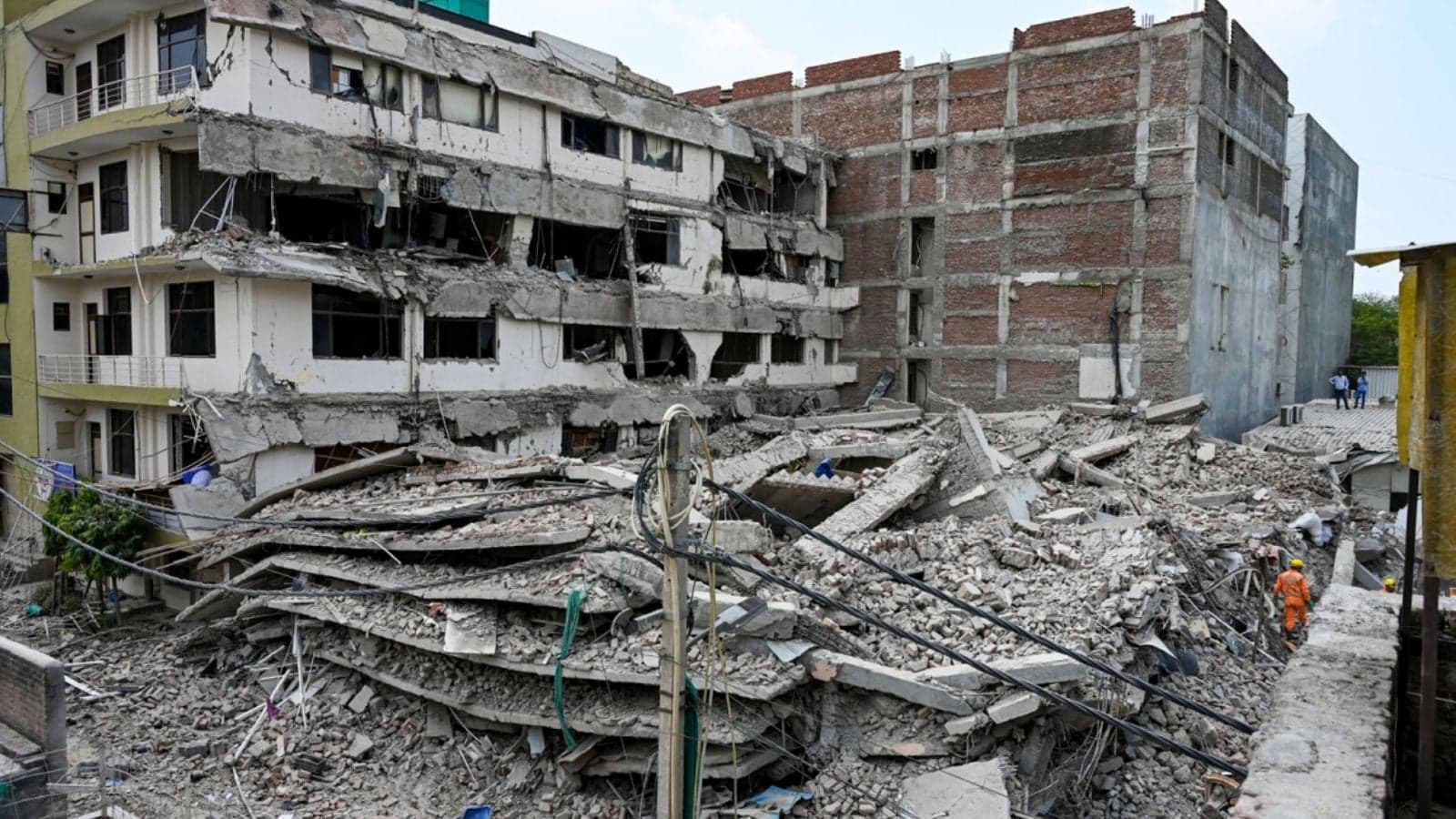
The court has stepped in to curb a misinformation campaign linking a judicial officer to a local tragedy, marking a stern warning against the weaponisation of social media in legal discourse.
The courtroom is often a theater of intense emotion, but when that theater spills into the digital ether, the fallout can turn dangerous. This week, the Delhi HC issued a decisive directive, ordering various social media platforms to remove and block content that baselessly blamed a specific judge for the tragic building collapse in Saket. The legal intervention comes after a flurry of videos circulated online, attempting to link the judicial officer’s administrative decisions to the structural failure that claimed lives.
For those following the Delhi High Court, such orders are becoming a recurring necessity as the line between public critique and targeted harassment blurs. The court’s move is not just about protecting an individual’s reputation; it is about preserving the sanctity of the bench from trial-by-social-media. By ordering the takedown, the court has signaled that while the judiciary is open to scrutiny, the dissemination of defamatory misinformation under the guise of public interest will not be tolerated.
The Cost of Online Narratives
The Saket incident, a grim reminder of urban safety lapses, has been hijacked by actors looking to score points against the legal system. In our reporting, we often track how legal proceedings are misrepresented to suit populist narratives. This instance highlights a growing trend: whenever a high-profile crisis occurs in Delhi, the impulse to point fingers at the nearest government or judicial official often bypasses due process.
Our broader coverage, including reporting that spans from the legal landscapes of Gujarat to the bustling benches of the national capital, shows that the judiciary is increasingly forced to play defense against digital mobs. When the sanctity of a court is compromised by unchecked viral content, the integrity of the entire justice system is placed under strain.
Why it matters
The bigger picture here is the fragility of public discourse in an age where algorithms prioritize outrage over facts. This is not merely a case of an aggrieved individual seeking relief; it is a systemic challenge for the Indian legal apparatus. When judicial officers are targeted for the outcomes of civil or regulatory disputes, it risks intimidating the bench and chilling the independence required to make tough, sometimes unpopular, decisions.
The Delhi HC's intervention serves as a precedent for how the law can reclaim the narrative from the chaotic noise of digital platforms. As stakeholders, we are witnessing a pivot where the courtroom—traditionally a place of quiet deliberation—must now aggressively guard its own reputation in the public square. The court’s firm stance serves as a reminder that transparency does not grant a license for slander.
Politics Desk at PoliticalPedia covers parties & elections for an Indian audience in English and Hindi.