The Elite Paradox: Why India’s Mass Movements Fail to Cultivate Grassroots Leadership
OPINION | The Cockroach Janta Party Problem: India Produces Mass Movements. Why Doesn't It Produce Mass Leaders?
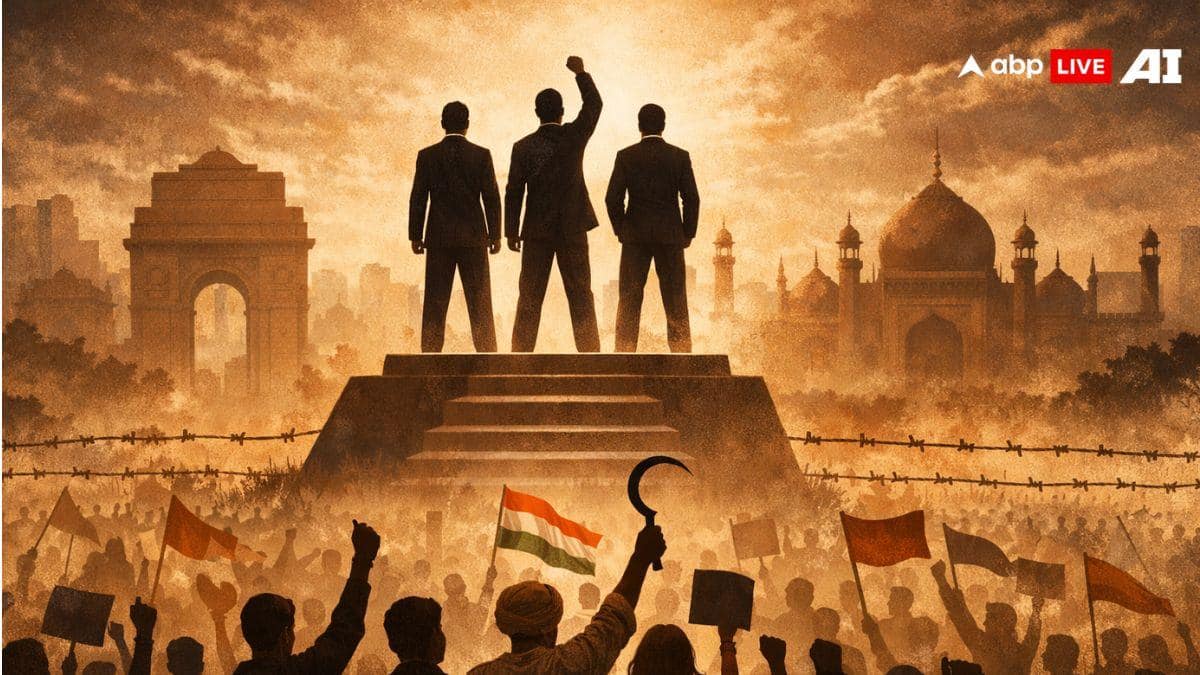
An analysis of the historical disconnect between popular public energy and the entrenched systems that keep power firmly in the grip of the establishment.
The history of modern India is punctuated by waves of intense public energy, from the fervor of the anti-colonial struggle to contemporary agitations that capture the national imagination. Yet, a recurring problem surfaces: India produces mass movements, but it rarely produces mass leaders from the ranks of the participants themselves. This pattern, which some critics colloquially label as the "cockroach janta party" phenomenon—referring to the uncanny resilience of the same political class regardless of the upheaval—suggests a structural barrier that prevents genuine, bottom-up transformation.
The Legacy of Elite Leadership
The roots of this trend are visible in the freedom struggle, which served as a crucible for the country’s political architecture. While the independence movement mobilized millions of ordinary farmers, laborers, and students, the leadership structure remained firmly anchored in the hands of the educated, urban, and socio-economically privileged. Figures like Jawaharlal Nehru, Vallabhbhai Patel, and Muhammad Ali Jinnah were undeniably instrumental in steering the country toward sovereignty, yet they represented a thin crust of the social hierarchy.
Many observers note that this concentration of power at the top meant that even the most radical mass-driven aspirations were filtered through an elite lens. When the direction of a movement remains the exclusive domain of those distanced from the lived realities of the rural poor, the outcomes often prioritize institutional stability over systemic change. This historical precedent established a template where the faces at the helm change, but the foundational systems of influence remain largely untouched.
The Tragedy of Partition
The 1947 Partition stands as the most devastating case study of this disconnect. While political narratives often frame the division of the subcontinent as a popular mandate, historical evidence contradicts the idea that it was a grassroots desire. The peasantry and the working class, who stood to lose the most in the ensuing displacement, held little appetite for the fragmentation of their homes.
Instead, the demand for Partition was a project negotiated and pushed by political elites. Whether it was the Congress leadership or the Muslim League, the decisions that altered the course of South Asian history were debated in elite circles far removed from the common citizen. This reinforces the question: why doesn't it produce mass leaders who truly represent the pulse of the public, rather than merely the interests of a privileged class?
The Resilience of the Status Quo
In contemporary politics, this cycle repeats. Often, we witness movements that ignite with tremendous popular support, only to see that energy get absorbed into existing structures. The system’s resilience is not a bug; it is a feature of an environment where political mobility is restricted. When movements fail to nurture their own leadership, they eventually become shells that the established political class can co-opt or neutralize.
For the average citizen, the opinion remains that until movements move beyond being transient eruptions of protest and start fostering authentic, grassroots political representation, the "cockroach" nature of elite power will persist. True systemic transformation requires more than just mass participation; it requires the democratization of leadership itself, ensuring that those who take to the streets can eventually take their places in the halls of power, rather than merely clearing a path for the existing elite to return.
The PoliticalPedia Editorial Desk brings verified, sourced political news and analysis from across India.