The Cost of Silence: Karnataka High Court Demands Accountability in Minor POCSO Cases
Karnataka High Court lets minor Pocso victim end 29-week pregnancy, orders audit
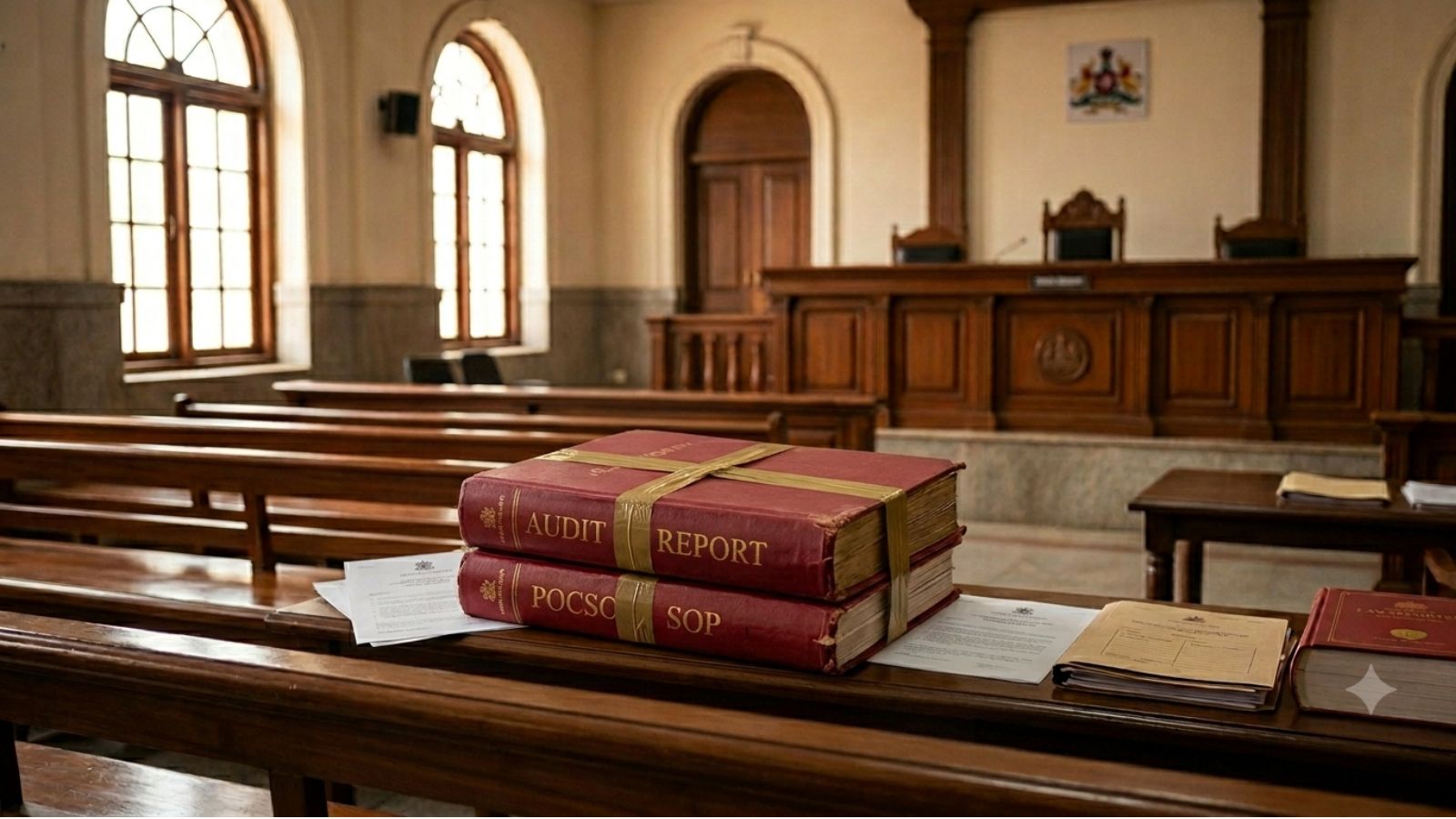
A 15-week-old pregnancy termination order exposes systemic gaps in child protection, prompting a state-wide audit of institutional compliance.
For a 15-year-old girl in Chitradurga, the legal system was supposed to be a safety net. Instead, it became a hurdle. By the time her case reached the Karnataka High Court, she was carrying a 29-week-old pregnancy resulting from repeated sexual assault. While the court eventually granted permission for the medical termination of the pregnancy, the bench’s scathing observations suggest that this traumatic journey could have been significantly shorter had the local authorities simply done their jobs.
Justice Suraj Govindaraj, in a June 8 order, pointed to a clear breakdown in the standard operating procedures meant to protect minor victims under the POCSO Act. The First Information Report (FIR) was filed back in April, yet the Station House Officer failed to alert the District Child Protection Unit or the Child Welfare Committee (CWC). Even the district child welfare officer, who was aware of the incident, sat on the information, denying the girl timely access to medical and psychological support.
Beyond the Individual Case
The court’s decision goes beyond this single instance of tragedy. Recognising a pattern of administrative apathy, the bench has ordered a state-wide audit to hold stakeholders accountable. From the police to the CWC and various district departments, the government must now account for whether they are actually following the law or merely filing paperwork.
The court has demanded a digital trail of compliance. Since October 2025, a technology-oriented SOP—including a dedicated portal—has been in place to ensure that when a child reports an assault, the system triggers an immediate, multi-agency response. The upcoming audit will determine how many districts have ignored these digital safeguards and whether those lapses contributed to the late-stage distress of victims like the girl from Chitradurga.
Why It Matters: A Systemic Failure
The tragedy here isn't just the crime; it is the secondary trauma inflicted by the state's indifference. When authorities fail to facilitate early intervention, they force victims into high-stakes court battles just to access basic healthcare. This case highlights a disconnect between the stringent protections written into Indian law and the reality on the ground in a district office.
If the audit reveals systemic negligence, it could force a radical overhaul in how police and welfare officers handle sexual violence cases. The court’s insistence on seeing a record of deficiencies within four weeks sends a clear signal: the era of "files getting lost" or "procedures being overlooked" is under the scanner. For thousands of minors across the state, this audit is a necessary, albeit late, attempt to ensure that the law acts as a shield rather than a spectator.
Ananya Iyer covers global affairs with an Indian lens for PoliticalPedia.