The Calm Before the Signing: US Stance on Iranian Ports Holds Firm Until June 19
US Blockade Of Iranian Ports To Remain In Place Till June 19 Ahead Of Deal Signing | News18
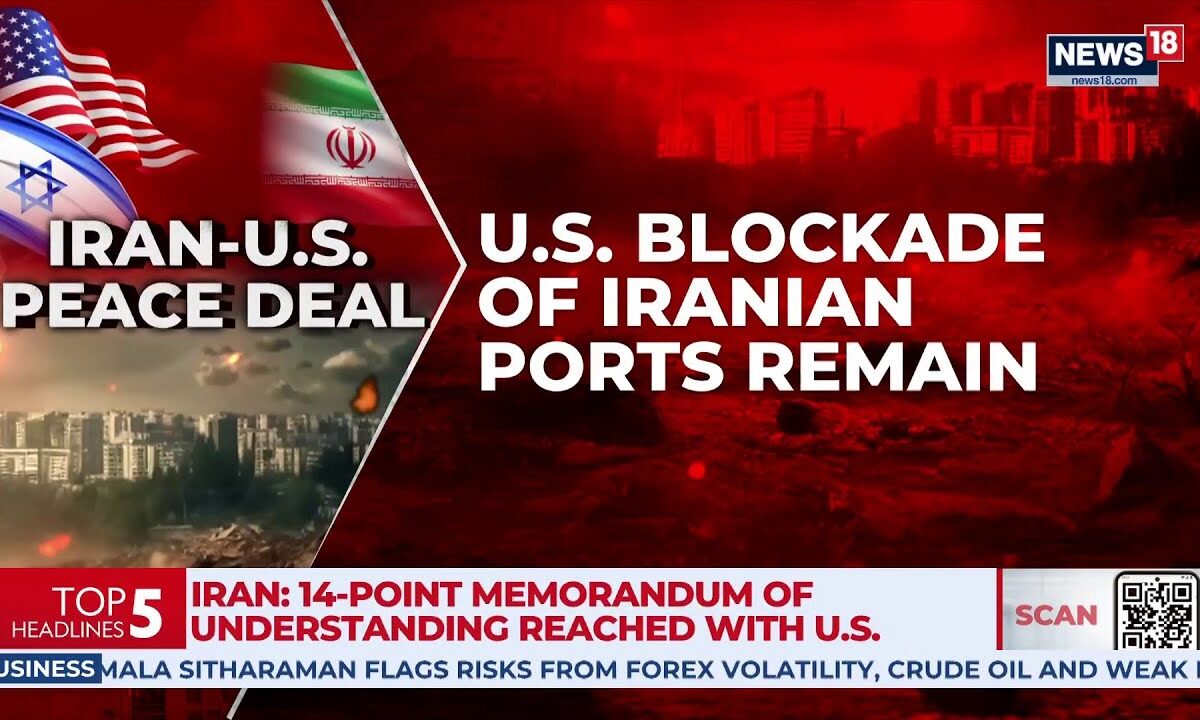
As the world watches the Strait of Hormuz, the US military confirms that the blockade of Iranian ports will remain in place till June 19, the scheduled date for the historic peace deal signing.
The waters of the Strait of Hormuz, usually a nerve center for global energy markets, remain under a tense, watchful silence. Even as diplomatic chatter reaches a fever pitch following reports of a preliminary peace agreement, the US military has made its position crystal clear: there will be no drawdown of the current maritime restrictions until the ink is dry on the formal accord. For mariners and stakeholders, the message is blunt—do not attempt to cross until the June 19 deadline passes.
The framework for this potential resolution comes after a volatile period of conflict that has kept global markets on edge. While reports indicate that both Washington and Tehran have reached an initial understanding to de-escalate, the mood in regional capitals remains one of cautious skepticism. Iran’s foreign ministry has explicitly noted that "deep mistrust" persists, underscoring that a signed document is only the first step in a long, arduous process of reconciliation.
The June 19 Deadline and Logistical Hurdles
The timeline is the most critical variable right now. While various outlets confirm that the preliminary framework is in place, the operational reality on the ground—or rather, on the water—is static. The US blockade of Iranian ports is set to stay in effect, keeping trade routes restricted and monitoring intense. This waiting game is compounded by ambiguity regarding the fees and protocols for future passage through the Strait, a point that continues to circulate across international wires.
The situation is further complicated by the volatile security landscape in the Middle East. Reports of Israeli strikes in Lebanon have added a layer of fragility to these negotiations, reminding observers that a US-Iran peace deal does not exist in a vacuum. Any flare-up in the broader region could threaten the implementation of the agreement, even with the signing ceremony just days away.
Why It Matters: A Delicate Geopolitical Shift
For New Delhi, the stabilization of this corridor is more than just a headline; it is a matter of energy security and regional trade stability. The Strait of Hormuz is a vital artery for global oil shipments, and the current blockade has kept global logistics in a state of suspended animation. If this deal holds, we could see a return to normalcy for shipping lanes that are essential to the Indian economy.
However, the "big picture" remains complex. A signed treaty is merely a paper agreement; the actual normalization of relations will depend on whether both sides can move past decades of entrenched hostility. The persistence of the US blockade until the very hour of the signing reflects this reality—a high-stakes game of "show me" diplomacy where trust is non-existent, and verification is the only currency that counts. As we track this story, the focus shifts from the abstract hope of peace to the concrete mechanics of implementation.
Ananya Iyer covers global affairs with an Indian lens for PoliticalPedia.