Bratislava Beckons: Why PM Modi’s Historic Slovakia Visit is a Strategic Pivot
PM Modi Arrives In Slovakia On First Indian Pm Visit Since 1993; Trade, Investment Talks On Agenda
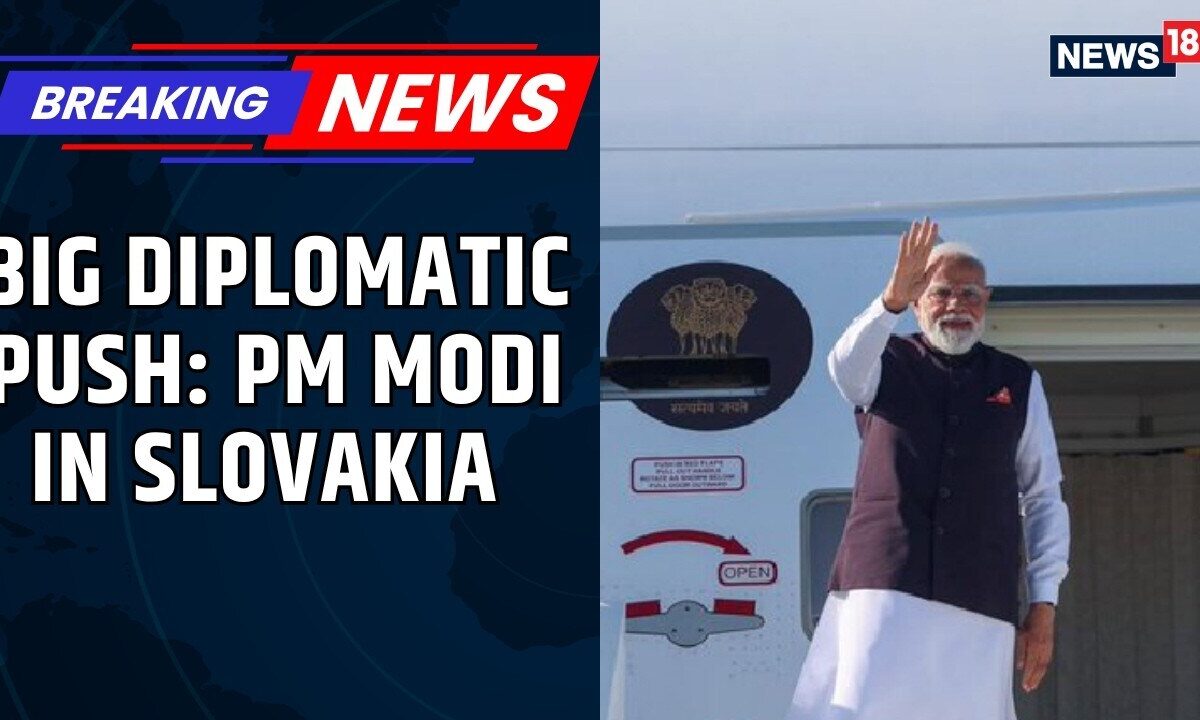
As PM Modi arrives in Slovakia on his first Indian PM visit since 1993, the focus shifts to revitalising bilateral ties through trade, technology, and robust investment.
The tarmac at Bratislava saw a rare scene this week: an Indian Prime Minister stepping onto Slovakian soil for the first time in over three decades. It has been since 1993, the year of the country’s formation, that an Indian head of government last made this journey. While the sporting world—from the ongoing T20 World Cup to the latest cricket updates—dominates the digital chatter on platforms like News18, the diplomatic corridors of Europe are buzzing with a different kind of energy.
This visit is far more than a ceremonial check-box. PM Modi’s arrival in the Central European nation signals a deliberate attempt to deepen India’s footprint in a region often overshadowed by its larger neighbours. With a scheduled agenda focused on trade, investment talks, and defence, the trip is clearly designed to unlock new avenues of cooperation that have remained dormant for years.
The Economic Blueprint
At the heart of the discussions between PM Modi and his counterpart, PM Robert Fico, lies the promise of industrial synergy. Slovakia is a global powerhouse in the automotive sector, and there is significant potential for Indian firms to integrate into these high-tech supply chains. Officials are looking to move beyond traditional commerce, eyeing collaborative ventures in technology and manufacturing that could redefine the economic partnership between the two nations.
For an Indian delegation looking to project itself as a key strategic partner in Europe, the timing is sharp. The visit acts as a crucial bridge, coming just before the Prime Minister’s wider engagements, which include the G7 summit and high-stakes conversations with global leaders like Emmanuel Macron and Donald Trump. By anchoring his Europe tour with this stop, Modi is effectively widening India’s diplomatic outreach.
Why it matters
Diplomacy is often about the ‘missing links,’ and for thirty years, the India-Slovakia relationship has been defined by a lack of high-level momentum. By choosing to visit now, New Delhi is acknowledging that Central Europe is a vital piece of the puzzle for its "Make in India" and digital transformation goals.
The bigger picture here is India’s push for a multi-aligned foreign policy. While the headlines back home might be crowded with cricket scores and domestic political updates, this visit represents a structural shift. India is no longer just looking at major power blocks; it is actively courting smaller, highly industrialised European economies to secure technology transfers and investment. If these talks translate into tangible deals, it will prove that India’s strategic patience—waiting for the right time to re-engage with nations like Slovakia—is paying off.
Kabir Sharma writes on culture, technology and everyday life for PoliticalPedia.