The Brinkmanship at the G7: Trump’s Ultimatum and the Fragile Iran Pivot
Trump Says US Could Have Bombed Iran For Another Two Years Without An Agreement | G7 Summit
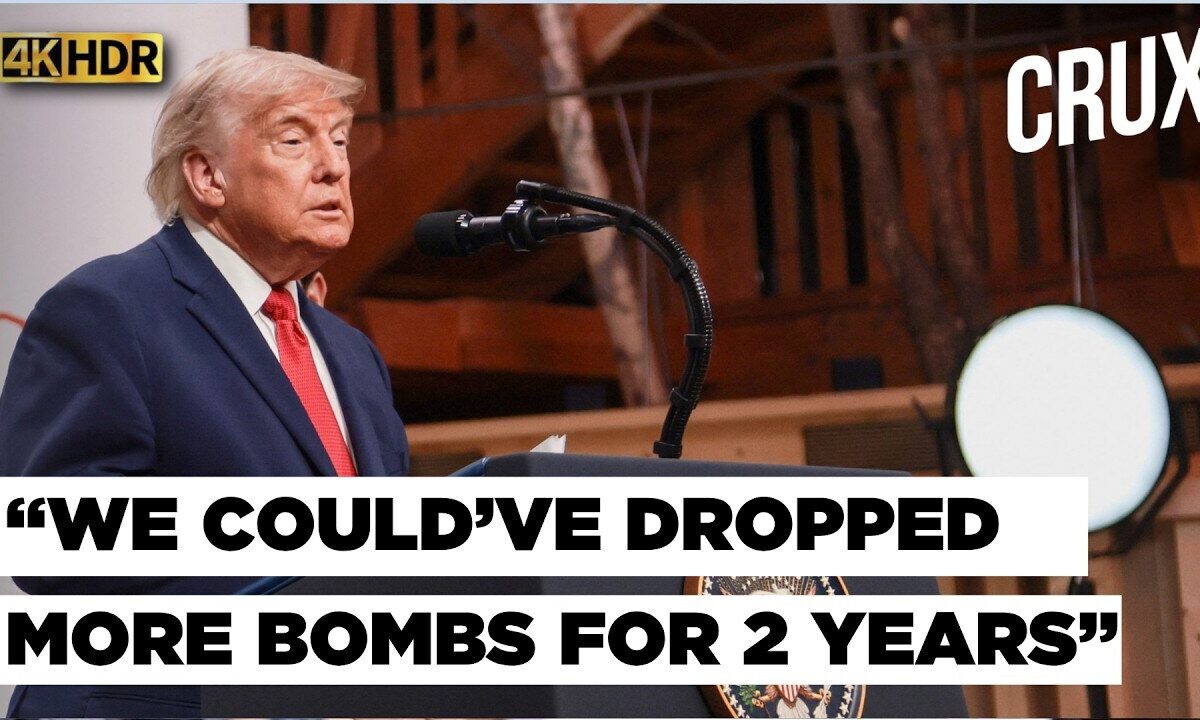
As global leaders convene, Donald Trump’s rhetoric on Iran signals a high-stakes gamble between a tenuous nuclear understanding and the looming threat of renewed military escalation.
The G7 summit has become the stage for a dramatic display of international brinkmanship. Behind the closed doors of diplomacy, the atmosphere is thick with the weight of an ultimatum. Donald Trump, speaking on the sidelines, was characteristically blunt: he remarked that the US could have bombed Iran for another two years without an agreement, framing the current, fragile progress as a choice Tehran made under intense pressure. While officials suggest "significant progress" has been made, the language coming from the American camp remains firmly rooted in the threat of force.
The State of the Agreement
Reports filtering out from the summit and international monitors suggest that a memorandum of understanding is on the table, though it remains far from final. The core of this proposed arrangement hinges on Iran’s nuclear ambitions, with claims that Tehran has agreed to halt the production and procurement of nuclear weapons. Even as observers note that Iran has begun moving oil exports through the Strait of Hormuz again—a sign that some gears of the economy are turning—the US is holding back on immediate sanctions relief. It is a classic "trust but verify" posture, held together by the thin thread of a mediator’s optimism.
The Wider Geopolitical Friction
The tension isn't limited to the US-Iran dynamic. Simultaneously, Trump has been vocal about the regional spillover, notably criticizing Israeli Prime Minister Benjamin Netanyahu’s recent conduct in Lebanon. By describing a recent strike as "too much" and urging more responsibility, the former president is attempting to exert control over multiple volatile fronts at once. This balancing act—restraining allies while pushing adversaries to the brink—defines the current mood at the summit. As the world watches, the volatility of the situation is compounded by the fact that we are in the 100th day of a regional conflict, where any single misstep could unravel a ceasefire.
Why It Matters
This is not merely about rhetoric; it is a calculated effort to reshape regional security via maximum pressure. The implication here is clear: the current administration is betting that the threat of sustained, long-term military action provides the only leverage capable of securing a deal. However, this strategy carries immense risk. By explicitly stating that the US could have kept bombing if a deal failed, Trump is ensuring that the military option remains the shadow hanging over every negotiation. If these talks collapse, the "ultimatum" described by various global outlets will stop being a hypothetical and start being a reality for the region.
For the average observer, the contrast between the high-level politics at the summit and the reality on the ground—where strikes still trade back and forth—is stark. Whether this leads to a lasting peace or a return to active hostility remains the defining question of the week.
Kabir Sharma writes on culture, technology and everyday life for PoliticalPedia.