The Boss at the G-7: Trump’s Iran Gamble Faces a Domestic Storm
Boss baby: Trump says 'I’m the boss' as critics say he’s getting bossed by Iran
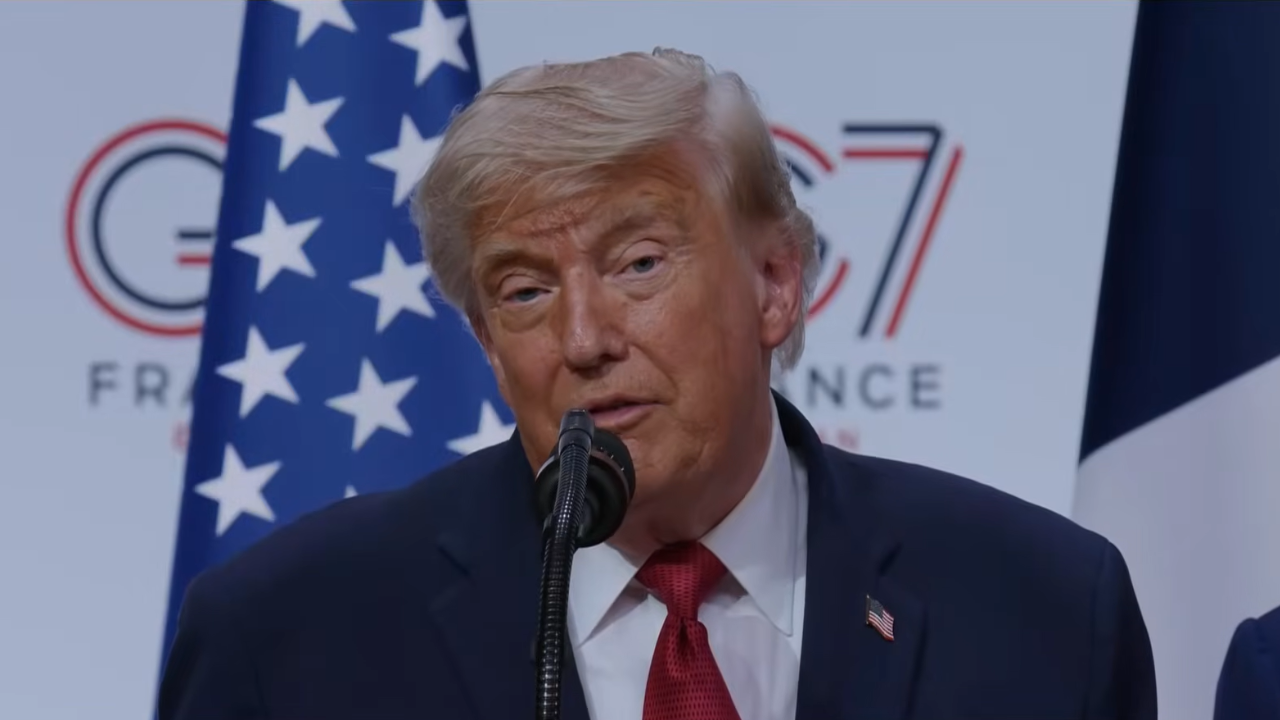
As Donald Trump asserts his authority on the world stage, a controversial memorandum with Tehran has left critics in Washington questioning who holds the real leverage.
The scene at the G-7 summit in France was vintage Donald Trump. Striding into the venue with the swagger of a man unfazed by the gathering clouds of international skepticism, the US president offered a blunt reminder to his audience: “I’m the boss.” Yet, thousands of miles away in Washington, that self-assured declaration is landing with a thud. Behind the bluster, a brewing controversy over a prospective memorandum of understanding (MoU) with Iran has left observers questioning whether the American president is, in fact, being played by Tehran.
A "Surrender" or a Strategy?
The proposed deal is being painted by detractors as a "surrender document," a stark departure from the aggressive posturing that characterized the initial phase of the conflict. According to reports, the agreement offers Tehran staggering concessions, including the immediate termination of both US and UN Security Council sanctions, the unfreezing of billions in Iranian assets, and the restart of Iranian oil exports. Perhaps most contentious is a proposed $300 billion "rehabilitation and economic development" fund, backed by US Gulf partners.
In exchange, the requirements placed on Tehran appear nebulous. The draft merely calls for Iran’s near-bomb-grade uranium stockpile to be "adequately addressed," leaving the actual fate of the highly enriched material hanging in the balance. For a mission originally sold to the American public as a definitive push to neutralize Iranian nuclear ambitions, this ambiguity has fueled talk that the administration is settling for an arrangement that is effectively "JCPOA-Lite"—a comparison that clearly rankles the president given his history with the 2015 Obama-era pact.
The Rhetoric of Retaliation
Facing mounting pressure at home, the president has adopted a dual-track communication style. During a meeting with Egyptian leader Mohammed El Sisi, Trump insisted that the MoU was merely a placeholder. He warned that if the deal fails to satisfy his demands, he is prepared to pivot back to military action. "If they don't behave, we'll go right back to dropping bombs right smack in the middle of their head, OK?" he said, dismissing the long-term commitments of the document.
The president’s frustration is palpable. He remains obsessed with the optics of his predecessor’s deals, frequently reminding allies of the $1.7 billion associated with the original agreement, which he derided in coarse language during the G-7. He is desperate to avoid the narrative that he is being outmaneuvered, yet the asymmetric nature of the current proposal—offering concrete economic relief for vague security promises—suggests that Tehran is playing a patient, strategic game.
The Bigger Picture
Why does this matter? The pattern here reveals the fundamental friction between campaign-trail promises and the messy reality of global diplomacy. Trump’s desire to project strength ("I'm the boss") often clashes with the technical, grinding reality of nuclear non-proliferation. If the US trades its primary leverage—sanctions and oil export bans—before the core nuclear issue is resolved, it risks repeating the very cycle of "vague assurances" he campaigned to destroy.
For the international community, the stakes are high. As energy markets watch the potential for Iranian oil to return to the global supply, the disconnect between Washington’s rhetoric and the practical, hard-dollar concessions in the MoU suggests that the "master negotiator" is running out of cards. Whether this leads to a lasting de-escalation or a return to "shooting at them," as the president warned, will depend on whether Tehran chooses to walk away with the windfall or continues to push for further concessions.
Kabir Sharma writes on culture, technology and everyday life for PoliticalPedia.