The American Dream is turning into a waking nightmare for Indian students
American nightmare: Beneath glossy stories of Indian diaspora lies a darker reality
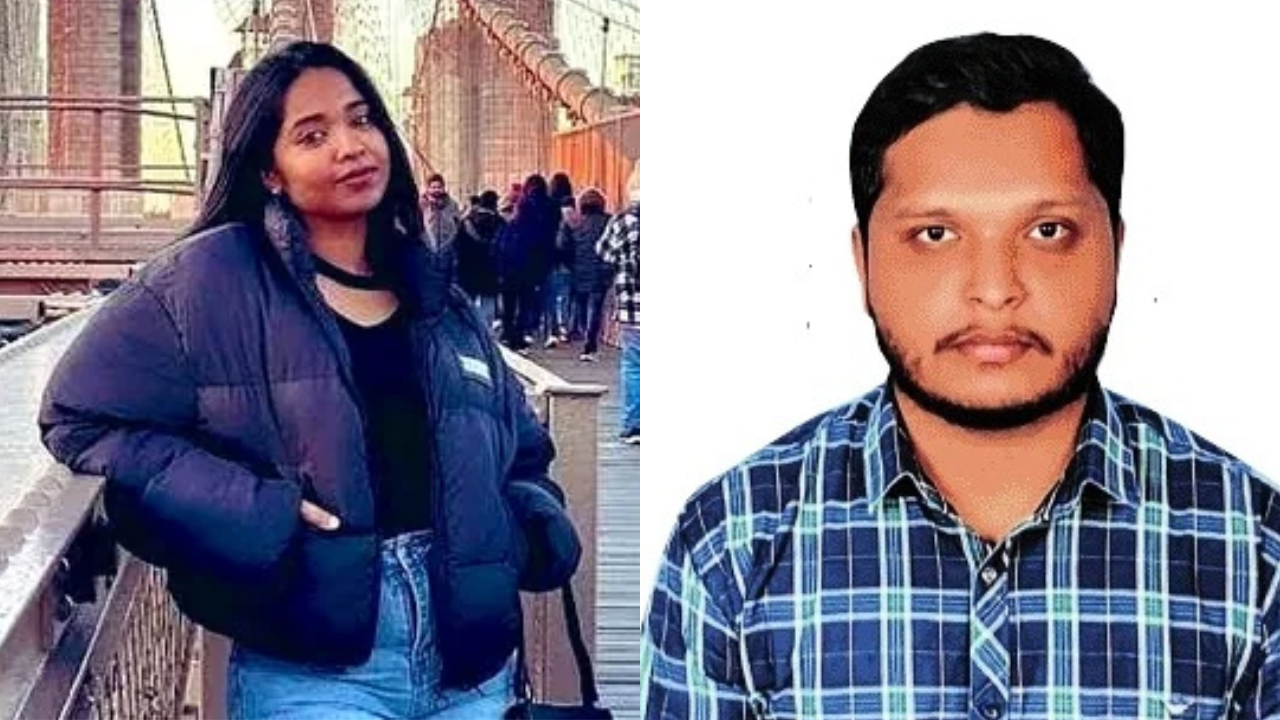
From unresolved murders to chilling ransom calls, a rising death toll among Indian students in the US is shattering families back home.
The phone call reached Mohd Saleem in Nacharam, Hyderabad, like a bolt from the blue. A stranger on the other end claimed they had kidnapped his son, Mohammed Abdul Arfath, demanding $1,200 and threatening to harvest his organs. Arfath, who had moved to the US in 2023 with dreams of an IT degree from Cleveland State University, was never seen alive again. When his body was recovered from Lake Erie a month later, the ransom call remained a chilling, unexplained fragment in a case that saw no arrests and little clarity from local law enforcement.
Arfath’s story is not an isolated tragedy; it is a recurring motif in a pattern that has left scores of Hyderabad families grieving. Six months after Nikita Godishala was allegedly murdered, her family in Tarnaka is still waiting for answers. Despite their formal complaints, the trail has gone cold. The prime accused, Arjun Sharma, remains absconding, and local police have confirmed they have received zero communication from US authorities to track him down.
A mounting toll behind the statistics
The scale of this crisis is stark. Ministry of External Affairs data reveals that 141 Indian students have died on American soil between 2021 and 2025. The numbers are trending in a disturbing direction, peaking at 44 deaths in 2024 alone—that is nearly one student lost every eight days. Even as the volume of students travelling to the US shows signs of a dip in 2025, the death count has already hit 30, suggesting that the risks faced by these young adults remain stubbornly high.
These are not just numbers in a government file. Each entry represents a student like Nikita or Arfath who left home with the promise of a global education, only to be met with violence, accidents, or mysterious circumstances. For the families left behind, the distance between Hyderabad and the United States feels like an unbridgeable chasm. They are often forced to manage investigations from thousands of miles away, hampered by a lack of transparency and an apparent disinterest from foreign agencies in closing these cases.
Why it matters: The bigger picture
This trend exposes a glaring gap in the safety net for international students. While the "American dream" is marketed as a pathway to professional success, the structural support—both from local police and through international legal cooperation—is failing to keep pace with the influx of Indian students. When investigations stall and suspects are allowed to vanish, it sends a message that these lives are undervalued.
The pattern suggests that we are witnessing a systemic failure to protect vulnerable young people who are essentially navigating a foreign, sometimes hostile, environment without adequate institutional backing. Until there is a more robust, trans-continental mechanism for accountability, the loss of these students will continue to be a grim, recurring reality that haunts the Indian diaspora.
Kabir Sharma writes on culture, technology and everyday life for PoliticalPedia.