The $30 Trillion Mandate: Why India’s Global Pivot is No Longer Optional
India must expand international trade ties to reach $30 trillion economy vision by 2047: Piyush Goyal
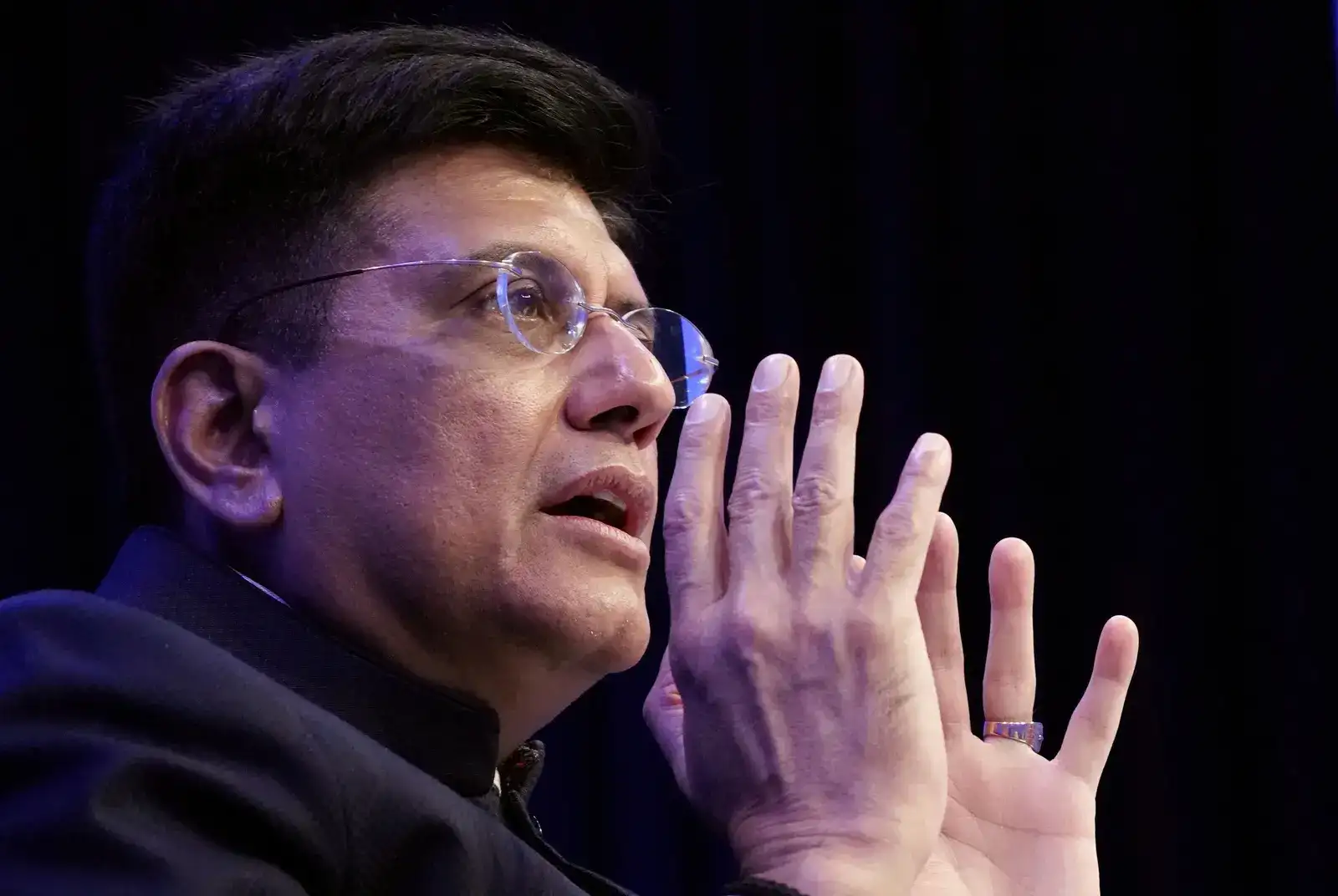
Commerce Minister Piyush Goyal outlines a high-stakes roadmap, betting on international trade partnerships and a demographic dividend to transform India into a developed nation by 2047.
The arithmetic of India’s economic future is getting ambitious. As the country eyes a leap toward a $30 trillion economy by 2047, the strategy is shifting from domestic consumption to deep global integration. Speaking at the 5th Annual Meeting of the India Global Innovation Connect, Commerce Minister Piyush Goyal made it clear: the path to becoming a developed nation runs directly through international trade pacts and strategic alliances with the world’s most prosperous economies.
The Logic of Collaboration
Goyal’s thesis rests on a simple, pragmatic observation: the world’s advanced economies are aging, while India is bursting with young talent. Countries across Europe, the US, and the Gulf are grappling with skyrocketing costs for research, development, and manufacturing. For these nations, India is no longer just a market of 1.4 billion people; it is a vital partner that can provide the human capital and production capacity these developed regions can no longer sustain affordably.
The government’s recent track record reflects this, with nine free trade agreements (FTAs) signed in the last three and a half years, covering 38 countries. These aren’t just diplomatic handshakes; they are calculated moves to channel capital into the Indian ecosystem while opening access for Indian goods to wealthier markets.
Quality as the New Currency
The conversation in government corridors is moving beyond mere export volumes. With a target to push exports toward the $2 trillion mark, the focus has pivoted to the "Zero Defect, Zero Effect" mandate—ensuring that Indian products meet stringent global quality standards without compromising environmental sustainability. This shift is essential to shedding the "low-cost" tag and positioning India as a premium manufacturing hub.
Why it matters
The bigger picture here is a fundamental structural transformation. For decades, India’s economic growth was largely driven by internal demand. The current policy push signals a permanent pivot toward an export-oriented model that forces domestic firms to compete on a global stage.
If this strategy succeeds, it could bridge the gap between India’s massive labor force and the global demand for high-end manufacturing and tech services. However, the success of this $30 trillion vision depends on more than just signing pacts. It requires a sustained, multi-year commitment to upgrading infrastructure and local manufacturing capabilities. The government is betting that by aligning Indian interests with the needs of the West and the Gulf, it can lock in the capital and technology transfers necessary to sustain decades of high-growth momentum.
Rohan Gupta covers the economy, markets and companies for PoliticalPedia.